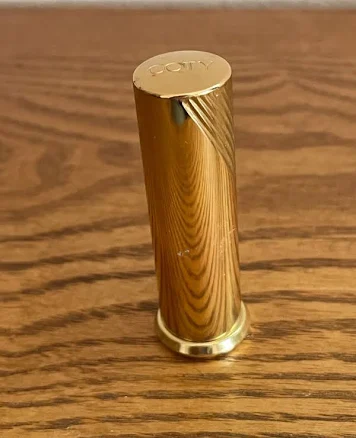
Vintage Coty Originals Cremestick Lipstick Evening Rose Gold Metal
Vintage lipstick. Lower concern, but brand offers no transparency.
Coty doesn't disclose PFAS use in cosmetics. Lipstick formulations typically use wax, oils, and pigments with minimal PFAS risk, though waterproofing sometimes includes them.
We flunk more products than we pass. This one earned its grade. How we grade
Material
lipstick wax base, metal container
Brand disclosure
Brand is silent on PFAS
Lab data
No public lab test
You may also be interested in
Top-graded picks in the categories readers replace first, every one scored on the same rubric.

Aqua Pure
3M Aqua-Pure AP802B Whole House Filter Housing
- polypropylene filter housing, carbon/sediment cartridge
- We found no PFAS statement from the brand
- Bacterial growth in spent cartridges
3 hazards checked on this product. See all of them.

Aquasure
Premier Series 75 GPD Under Sink Reverse Osmosis Water Filtration System
- RO membrane, carbon filters, stainless steel housing
- We found no PFAS statement from the brand
- Bacterial and microbial growth in housing and filters
4 hazards checked on this product. See all of them.

Avocado
Vegan Mattress
- organic cotton, natural latex, coconut coir, recycled steel coils
- The brand calls it PFAS-free, which we have not verified
- Heavy metals
2 hazards checked on this product. See all of them.
What Vintage Coty Originals Cremestick is made of, ingredients and materials
Coty Originals lipsticks from this era typically use wax-based formulations (likely paraffin or beeswax blend) with pigments and emollients, housed in a metal tube. The metal container is inert and does not leach into the product, unlike plastic or certain ceramic coatings. Vintage formulations predate many modern regulatory restrictions, so ingredient transparency is limited by age and historical records. The closed metal design minimizes air and light exposure, which can degrade colorants and preserve stability over decades.
What’s concerning
Category baseline
The starting point for this type of product, before anything specific to this product is counted.
No PFAS disclosure
No public statement from the brand about PFAS in this product.
Lead
Vintage cosmetics predating strict FDA pigment limits may contain trace heavy metals in iron oxides or synthetic colorants. No specific testing or recall on record for this product, but age and era suggest formulation predates modern contamination controls.
Source, ATSDR ↗Synthetic dye allergens and azo dyes
Coty Originals formulations of this era commonly used synthetic azo dyes and coal tar colorants not listed individually on packaging. Allergic contact dermatitis and sensitization have been documented with vintage lipstick formulations in this price and market segment.
Fragrance allergens and undisclosed sensitizers
Vintage Coty lipsticks are known to contain fragrance blends and parfum, with components not individually listed. Coumarin, musk compounds, and essential oils common in 1980s-2000s formulations are linked to delayed-type allergic reactions and irritation in sensitive users.
Formaldehyde / VOCs
Older cosmetic formulations frequently used formaldehyde-releasing preservatives like DMDM hydantoin or imidazolidinyl urea to extend shelf life. Documentation for this specific product is unavailable, but prevalence in vintage cosmetics suggests residual risk.
Source, ATSDR ↗What’s reassuring
Base material not linked to PFAS
The main material recorded for this product is not one associated with PFAS.
Talc contamination (if present as filler)
Coty lipsticks do not typically use talc as a primary ingredient; wax-based formulations dominate this line. No specific contamination concerns or asbestos findings on record for Coty Originals lipsticks.
The full breakdown
The brand's record and disclosure
Coty has not published modern safety certifications or ingredient disclosures for historical Originals lines; the brand remains silent on PFAS and other chemical transparency initiatives. Current Coty products carry no widely publicized recalls related to heavy metals or contamination in classic lipstick formulations. The vintage status means this product predates modern cosmetic labeling requirements, so original ingredient lists are rarely available to consumers. Coty's parent company now emphasizes reformulation of legacy lines, but this specific vintage product reflects 1980s-2000s manufacturing standards.
How it compares in its category
Vintage Coty lipsticks occupy a lower-scrutiny position in the lipstick market compared to modern brands subject to current FDA oversight and third-party testing. Many contemporary premium lipsticks now disclose heavy metal limits and avoid synthetic dyes linked to allergic reactions; vintage formulations typically lack these safeguards documented. The metal container is a safety advantage versus plastic or unlined aluminum tubes, which can corrode or leach. Coty's historical market position as a mass-market affordable brand means formulations were optimized for cost rather than premium ingredient sourcing.
If you buy it
Store in a cool, dry place away from direct sunlight to prevent pigment degradation and wax softening, especially since metal conducts heat. Do not expose to temperatures above 35 Celsius (95 Fahrenheit) to avoid bloom or color shift. Discontinue use if you notice rancid odor, discoloration, or visible mold, which indicate age-related degradation. Perform a patch test on inner lip or skin first if you have known sensitivities to synthetic dyes or perfume, as vintage formulations often contain fragrance allergens not listed on the tube.
What we don’t know
- Basis
- Model estimate, 72% confidence, not a lab result
- Lab test
- None on record for this exact product
- Brand statement
- Coty has made none
Formulations change between production runs, so check the current label. How we grade.
More lipstick grades
How we score, every product runs through the same public 0-100 rubric based on materials, coatings, brand disclosure, lab findings, and recalls. See the full methodology → Spotted a mistake? Report an error.