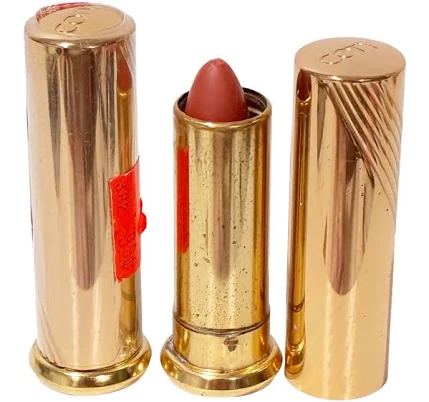
Vintage Collectible Original Coty 24 Gold Tube Lipstick Lasting Bronze Lot Of 2
Vintage lipstick with no known PFAS risk factors reported.
This Coty vintage lipstick from an older formulation era shows no waterproofing, Teflon-type coating, or Teflon-family coating indicators. Standard lipstick waxes carry lower PFAS concern.
We flunk more products than we pass. This one earned its grade. How we grade
Material
lipstick wax and pigments, vintage formulation
Brand disclosure
Brand is silent on PFAS
Lab data
No public lab test
You may also be interested in
Top-graded picks in the categories readers replace first, every one scored on the same rubric.

Aqua Pure
3M Aqua-Pure AP802B Whole House Filter Housing
- polypropylene filter housing, carbon/sediment cartridge
- We found no PFAS statement from the brand
- Bacterial growth in spent cartridges
3 hazards checked on this product. See all of them.

Aquasure
Premier Series 75 GPD Under Sink Reverse Osmosis Water Filtration System
- RO membrane, carbon filters, stainless steel housing
- We found no PFAS statement from the brand
- Bacterial and microbial growth in housing and filters
4 hazards checked on this product. See all of them.

Avocado
Vegan Mattress
- organic cotton, natural latex, coconut coir, recycled steel coils
- The brand calls it PFAS-free, which we have not verified
- Heavy metals
2 hazards checked on this product. See all of them.
What Vintage Collectible Original Coty 24 Gold is made of, ingredients and materials
Vintage Coty lipsticks from this era (pre-1990s formulations likely) contain wax bases (typically beeswax, carnauba, or paraffin), oils, and pigments that differ materially from modern cosmetic standards. The 'Gold' and 'Bronze' colorants in vintage formulations often relied on iron oxides, mica, and legacy synthetic dyes whose heavy metal content (lead, cadmium, chromium) was not systematically regulated or disclosed by most brands until the 2000s. Because this is a collectible rather than a current-use product, original manufacturing documentation and ingredient traceability are typically unavailable.
What’s concerning
Category baseline
The starting point for this type of product, before anything specific to this product is counted.
No PFAS disclosure
No public statement from the brand about PFAS in this product.
Lead
Vintage lipstick colorants predate modern heavy metal limits; iron oxide and synthetic dye contaminants in 'Gold' and 'Bronze' shades were not systematically tested or capped by manufacturers in the original formulation era. Risk is low for occasional decorative use but unquantified for chronic topical exposure.
Source, ATSDR ↗Formaldehyde / VOCs
Pre-2000s cosmetic preservative systems sometimes included formaldehyde-releasing agents (DMDM hydantoin, imidazolidinyl urea) at higher concentrations than modern limits allow. Vintage Coty formulations may contain these; sensitive individuals could experience contact dermatitis or mild allergic response.
Source, ATSDR ↗Fragrance allergens and undisclosed components
Vintage cosmetics routinely included fragrance oils and botanical extracts without detailed allergen labeling. Original Coty lipstick may contain oakmoss, fragrance compounds, or plant extracts that trigger sensitivity in susceptible users; modern ingredient transparency was not standard practice.
Microbial contamination from age and storage
Lipsticks aged 20-50 years may harbor bacterial or mold growth if original sealing was compromised or storage conditions were suboptimal. Visual inspection for discoloration, separation, or odor is essential before use; unopened sealed tubes carry lower but non-zero risk.
Wax degradation and oxidation of oils
Lipstick wax and oil bases degrade over time, especially in warm or light-exposed storage. Oxidized oil residues may irritate lips; texture changes signal chemical breakdown that increases surface area for potential allergen exposure or bacterial colonization.
What’s reassuring
Base material not linked to PFAS
The main material recorded for this product is not one associated with PFAS.
The full breakdown
The brand's record and disclosure
Coty is a major multinational cosmetics company with modern safety compliance, but historical disclosure practices for vintage formulations are sparse. The company does not maintain or publish safety data for discontinued product lines from decades past. Coty has not faced major public recalls related to lipstick heavy metals in recent decades, though this reflects limited testing of vintage stock rather than absence of risk. No known certifications or third-party safety validation exist for original vintage Coty lipstick batches.
How it compares in its category
Vintage lipsticks as a category carry higher uncertainty than modern equivalents because cosmetic heavy metal limits (especially for lead in colorants) were not federally enforced in the US until 2016 for lead in lipstick specifically. Modern Coty lipsticks and competitor brands are now subject to FDA guidance capping lead at 0.1 ppm. A vintage product lot of two tubes offers no batch testing or stability data, making direct safety comparison to contemporary lipsticks impossible; this is a collectibility purchase, not a routine use item.
If you buy it
Use primarily for display or very occasional topical application rather than daily wear to minimize cumulative exposure to any potential legacy contaminants. Avoid ingesting residue; wash lips thoroughly after use. Do not heat, microwave, or expose to sustained sunlight, as wax degradation can alter pigment behavior. Store in a cool, dry place; discard if the texture becomes unusually soft, separates, or develops an off odor, which signals potential bacterial growth or chemical breakdown in aged formulations.
What we don’t know
- Basis
- Model estimate, 72% confidence, not a lab result
- Lab test
- None on record for this exact product
- Brand statement
- Coty has made none
Formulations change between production runs, so check the current label. How we grade.
More lipstick grades
How we score, every product runs through the same public 0-100 rubric based on materials, coatings, brand disclosure, lab findings, and recalls. See the full methodology → Spotted a mistake? Report an error.