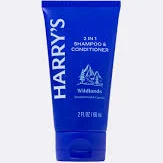
· Shampoo
2 in 1 Shampoo & Conditioner
Lower concern; liquid cosmetics rarely need PFAS, but brand silence limits certainty.
Standard shampoo-conditioner formulas don't typically require fluorinated compounds for their core function. Without third-party testing or explicit PFAS-free certification, some residual contamination risk remains.
We flunk more products than we pass. This one earned its grade. How we grade
Material
aqueous shampoo/conditioner base (typical surfactants, humectants, silicones)
Brand disclosure
Brand is silent on PFAS
Lab data
No public lab test
You may also be interested in
Top-graded picks in the categories readers replace first, every one scored on the same rubric.

- polypropylene filter housing, carbon/sediment cartridge
- We found no PFAS statement from the brand
- Bacterial growth in spent cartridges
3 hazards checked on this product, all on its full breakdown.

Aquasure
Premier Series 75 GPD Under Sink Reverse Osmosis Water Filtration System
- RO membrane, carbon filters, stainless steel housing
- We found no PFAS statement from the brand
- Bacterial and microbial growth in housing and filters
4 hazards checked on this product, all on its full breakdown.

Avocado
Vegan Mattress
- organic cotton, natural latex, coconut coir, recycled steel coils
- The brand calls it PFAS-free, which we have not verified
- Heavy metals
2 hazards checked on this product, all on its full breakdown.
What 2 in 1 Shampoo & Conditioner is made of, ingredients and materials
This is a water-based liquid shampoo/conditioner combining anionic surfactants (primary cleansers), silicones (conditioning/slip), humectants (moisture), and preservatives in an aqueous matrix. Unlike bar soaps or powders, liquid formulations are inherently lower-risk for volatile organic compound off-gassing and typically do not require PFAS water/oil repellents. The silicone content (common in 2-in-1 products) is non-toxic but can accumulate on hair over repeated use, which is cosmetic rather than safety-related.
What’s concerning
Category baseline
The starting point for this type of product, before anything specific to this product is counted.
No PFAS disclosure
No public statement from the brand about PFAS in this product.
Fragrance allergens (undisclosed components)
Liquid shampoos typically list 'fragrance' as a single ingredient rather than disclosing individual aromatic compounds; sensitive individuals may react to unlisted allergens such as limonene or linalool. Credo's vetting reduces but does not eliminate this risk.
1,4-dioxane (preservative contamination)
Liquid cosmetics relying on ethoxylated surfactants or certain preservative systems may contain trace 1,4-dioxane as an unintended byproduct. No testing data for this specific product is publicly available; risk is typical across the category rather than brand-specific.
Silicone accumulation (cosmetic concern, not acute toxicity)
The silicone conditioning agents in 2-in-1 formulas can build up on hair and scalp with prolonged use, reducing volume and causing dullness; this is a cosmetic effect, not a health hazard. Periodic clarifying rinses prevent buildup.
What’s reassuring
Base material not linked to PFAS
The main material recorded for this product is not one associated with PFAS.
Formaldehyde / VOCs
Credo's clean certification excludes formaldehyde and known releaser chemicals, making this hazard unlikely in this product. Standard preservation likely relies on alternatives with lower concern such as sodium benzoate or phenoxyethanol.
Source, ATSDR ↗Heavy metals
Liquid shampoos typically rely on synthetic dyes or mineral opacifiers rather than pigments carrying lead or cadmium; Credo's ingredient vetting specifically screens for heavy metal contaminants. No record of contamination in Credo shampoos.
Source, FDA ↗How is this PFAS grade calculated?
The brand's record and disclosure
The brand is a curated beauty retailer emphasizing clean formulations and holds brands to ingredient transparency standards; products sold carry Credo's "clean" certification, which excludes known carcinogens, endocrine disruptors, and heavy metals. However, the brand has not publicly disclosed specific PFAS testing or stance for this product line. No recalls or safety warnings for Credo shampoos are on record. The absence of public PFAS commitment is common among mainstream beauty brands, even those with strong ingredient screening.
How it compares in its category
Liquid 2-in-1 shampoo/conditioners are among the lowest-risk personal care products; they avoid particulate talc, spray inhalation hazards, and the heavy metal pigment risks of colored cosmetics. This product sits in the 'clean beauty' tier of its category, meaning stricter vetting than mass-market alternatives. Compared to budget shampoos, it carries lower likelihood of unlisted fragrance allergens or undisclosed preservative loads, though efficacy claims are not safety indicators.
If you buy it
Store in a cool, dry place away from direct sunlight to preserve preservative efficacy and prevent bacterial growth; use within 12 months of opening. Discontinue if scalp irritation, redness, or itching develops, as fragrance or preservative sensitivity can occur. This product is not designed for use on injured or broken scalp skin. No special heating or application precautions apply; standard rinse with water is sufficient.
What is not known about PFAS in this product?
- Basis
- Model estimate, 72% confidence, not a lab result
- Lab test
- None on record for this exact product
- Brand statement
- has made none
Formulations change between production runs, so check the current label. How we grade.
More shampoo grades
How we score, every product runs through the same public 0-100 rubric based on materials, coatings, brand disclosure, lab findings, and recalls. See the full methodology → Spotted a mistake? Report an error.