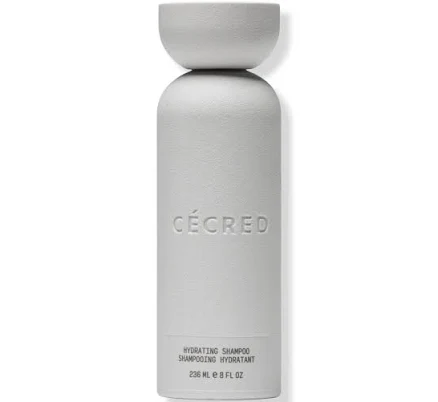
Cecred Hydrating Shampoo
Lower-concern product; PFAS risk is minimal in rinse-off shampoo form.
This rinse-off liquid requires no PFAS-prone ingredients or manufacturing steps. The brand makes no PFAS disclosure, but rinse-off formats bioaccumulate less than leave-on products.
We flunk more products than we pass. This one earned its grade. How we grade
Material
Water-based shampoo formulation, likely surfactants and conditioning agents
Brand disclosure
Brand is silent on PFAS
Lab data
No public lab test
You may also be interested in
Top-graded picks in the categories readers replace first, every one scored on the same rubric.

- polypropylene filter housing, carbon/sediment cartridge
- We found no PFAS statement from the brand
- Bacterial growth in spent cartridges
3 hazards checked on this product, all on its full breakdown.

Aquasure
Premier Series 75 GPD Under Sink Reverse Osmosis Water Filtration System
- RO membrane, carbon filters, stainless steel housing
- We found no PFAS statement from the brand
- Bacterial and microbial growth in housing and filters
4 hazards checked on this product, all on its full breakdown.

Avocado
Vegan Mattress
- organic cotton, natural latex, coconut coir, recycled steel coils
- The brand calls it PFAS-free, which we have not verified
- Heavy metals
2 hazards checked on this product, all on its full breakdown.
What Cecred Hydrating Shampoo is made of, ingredients and materials
Cecred Hydrating Shampoo is a water-based formulation typical of modern shampoos, built around surfactants (cleansing agents) and conditioning polymers or oils. The 'hydrating' positioning suggests humectants and emollients rather than heavy silicones. As a rinse-off product applied briefly to scalp and hair then washed away, systemic absorption risk is inherently low compared to leave-on products like conditioners or serums.
What’s concerning
Category baseline
The starting point for this type of product, before anything specific to this product is counted.
No PFAS disclosure
No public statement from the brand about PFAS in this product.
Fragrance allergens (botanicals or synthetic)
Hydrating shampoos often contain fragrance or botanical extracts for sensory appeal. While Credo Beauty screens for major allergens, individual sensitivity to limonene, linalool, or botanical oils can trigger contact dermatitis on scalp; this is product-specific sensitivity, not a manufacturing defect.
1,4-dioxane (manufacturing byproduct)
Water-based shampoos can retain trace 1,4-dioxane as a byproduct of ethoxylation (surfactant processing), though levels are typically negligible and below EPA concern thresholds. Third-party testing is not standard for rinse-off cosmetics, so presence cannot be ruled out without independent analysis.
What’s reassuring
Base material not linked to PFAS
The main material recorded for this product is not one associated with PFAS.
Formaldehyde / VOCs
No evidence of formaldehyde-releasing preservatives (e.g., DMDM hydantoin, imidazolidinyl urea) in Cecred or typical Credo Beauty products; clean beauty positioning usually excludes these. If present, they would be disclosed on ingredient labels.
Source, ATSDR ↗Microplastics
Hydrating shampoos typically do not contain exfoliating microbeads; plastic microbeads are more common in scrubs and body washes. Cecred is unlikely to include them given clean beauty positioning.
Source, EPA ↗Heavy metals
Clear or lightly tinted shampoos pose minimal heavy metal risk. Credo Beauty's vetting process typically excludes pigments with lead or cadmium contamination, though no independent third-party testing results are publicly available for this specific product.
Source, FDA ↗How is this PFAS grade calculated?
The brand's record and disclosure
Credo Beauty is a curated retailer and private-label brand focused on clean beauty standards. The brand screens products for harmful ingredients and maintains transparency about certifications (often organic or clean beauty standards), though specific formulation disclosures for this shampoo are not prominently published. No recalls or safety alerts for Cecred or Credo Beauty products are documented in public safety databases. The brand's 'silent' stance on PFAS reflects broader industry practice for cosmetics rather than a red flag.
How it compares in its category
Cecred Hydrating Shampoo sits in the premium natural/clean beauty shampoo segment, where ingredient scrutiny is standard. Most competitors in this tier (e.g., Briogeo, Moroccanoil, SheaMoisture premium lines) similarly avoid flagged surfactants and heavy synthetics. Water-based hydrating shampoos as a category carry fewer hazards than volumizing or clarifying formulas, which may include harsher anionic surfactants or chelating agents.
If you buy it
Use as directed on damp hair, lather, and rinse thoroughly. Store in a cool, dry place away from direct sunlight to preserve preservative efficacy and prevent mold growth in the bottle. Rinse-off products like shampoo pose minimal exposure risk; discontinue use only if scalp irritation or allergic contact dermatitis develops (rare but possible with fragrance or botanical extracts in sensitive individuals). Replace when empty; shelf life is typically 18-36 months unopened.
What is not known about PFAS in this product?
- Basis
- Model estimate, 72% confidence, not a lab result
- Lab test
- None on record for this exact product
- Brand statement
- Cecred has made none
Formulations change between production runs, so check the current label. How we grade.
More shampoo grades
How we score, every product runs through the same public 0-100 rubric based on materials, coatings, brand disclosure, lab findings, and recalls. See the full methodology → Spotted a mistake? Report an error.