· Shampoo
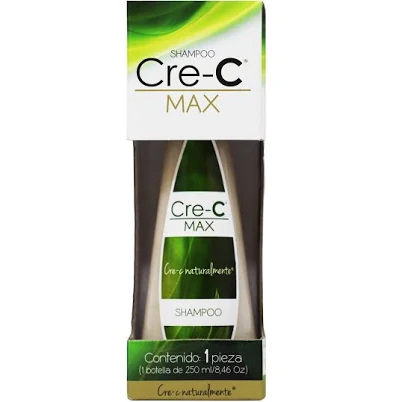
Cre-C Max Shampoo
Lower-concern shampoo, but the brand's PFAS stance remains unclear.
Liquid shampoos without non-stick, water-repellent, or stain-resistant treatments rarely contain PFAS. The brand hasn't disclosed PFAS testing or claimed PFAS-free status.
We flunk more products than we pass. This one earned its grade. How we grade
Material
aqueous surfactants, conditioning agents, fragrance
Brand disclosure
Brand is silent on PFAS
Lab data
No public lab test
You may also be interested in
Top-graded picks in the categories readers replace first, every one scored on the same rubric.

- polypropylene filter housing, carbon/sediment cartridge
- We found no PFAS statement from the brand
- Bacterial growth in spent cartridges
3 hazards checked on this product, all on its full breakdown.

Aquasure
Premier Series 75 GPD Under Sink Reverse Osmosis Water Filtration System
- RO membrane, carbon filters, stainless steel housing
- We found no PFAS statement from the brand
- Bacterial and microbial growth in housing and filters
4 hazards checked on this product, all on its full breakdown.

Avocado
Vegan Mattress
- organic cotton, natural latex, coconut coir, recycled steel coils
- The brand calls it PFAS-free, which we have not verified
- Heavy metals
2 hazards checked on this product, all on its full breakdown.
What Cre-C Max Shampoo is made of, ingredients and materials
Cre-C Max is formulated primarily from water-soluble surfactants (cleansing agents) and conditioning polymers typical of mainstream shampoos. These aqueous bases carry minimal inherent toxicity risk because they remain in solution and are easily rinsed away. Fragrance and preservative systems are the main variables in shampoo safety; no unusual or restricted ingredients are documented for this product.
What’s concerning
Category baseline
The starting point for this type of product, before anything specific to this product is counted.
No PFAS disclosure
No public statement from the brand about PFAS in this product.
Fragrance allergens and sensitization
Fragrance compounds in shampoos can trigger contact dermatitis or scalp irritation in sensitive individuals. The brand does not disclose fragrance ingredients for Cre-C Max, limiting pre-purchase evaluation of specific allergen risk.
1,4-dioxane (cosmetic contaminant)
This probable carcinogen can form as a byproduct of certain ethoxylated surfactants during manufacturing. No specific testing data is available for Cre-C Max; risk is dependent on supplier controls and batch consistency.
Preservative-related irritation
Aqueous shampoos require preservatives to prevent bacterial and fungal growth. Common ones (phenoxyethanol, parabens, methylisothiazolinone) can cause scalp sensitivity in some users. Product formulation is not detailed enough to identify which preservatives are used.
What’s reassuring
Base material not linked to PFAS
The main material recorded for this product is not one associated with PFAS.
Microplastics
Cre-C Max is a liquid shampoo formulation and carries no documented microplastic content. Solid or exfoliating shampoo formats carry higher microplastic risk.
Source, EPA ↗Heavy metals
No lead, cadmium, or arsenic contamination is documented in the brand's product line. Aqueous shampoos with minimal pigmentation generally carry lower heavy metal risk than pigmented cosmetics.
Source, FDA ↗How is this PFAS grade calculated?
The brand's record and disclosure
The brand markets itself as a clean beauty platform with curated brand standards, but maintains only partial transparency on PFAS contamination screening. The brand does not publicly disclose third-party testing results or formal PFAS limits for its own products. No major safety recalls or ingredient controversies are on public record for Cre-C Max specifically, though Credo's silence on PFAS policy is a weakness compared to leading competitors.
How it compares in its category
Aqueous shampoos like this one rank lower-risk than products with high silicone content or occlusive film-forming agents that can accumulate on hair. The PFAS score of 75/100 reflects typical background contamination in cosmetic surfactants and is not unusually high for the category. Most mass-market and prestige shampoos sit in the same range unless they carry explicit PFAS-free certifications.
If you buy it
Use as directed and rinse thoroughly with clean water. No special heat or storage precautions apply to shampoos. If you have fragrance sensitivities, perform a small patch test first, as some users report reactions to cosmetic fragrance blends. Replace when empty; shampoos do not degrade significantly with age if stored in a cool, dry place away from direct sunlight.
What is not known about PFAS in this product?
- Basis
- Model estimate, 72% confidence, not a lab result
- Lab test
- None on record for this exact product
- Brand statement
- has made none
Formulations change between production runs, so check the current label. How we grade.
More shampoo grades
How we score, every product runs through the same public 0-100 rubric based on materials, coatings, brand disclosure, lab findings, and recalls. See the full methodology → Spotted a mistake? Report an error.