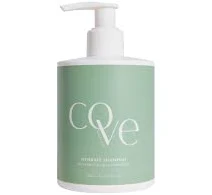
· Shampoo
HYDRATE SHAMPOO - Liter
Lower PFAS concern for a rinse-off liquid, but brand remains silent on PFAS.
This rinse-off liquid formula has no fluorinated surfactants or water-resistant treatments that typically introduce PFAS. The brand doesn't publicly disclose PFAS policy or verification.
We flunk more products than we pass. This one earned its grade. How we grade
Material
aqueous liquid shampoo formulation in plastic bottle
Brand disclosure
Brand is silent on PFAS
Lab data
No public lab test
You may also be interested in
Top-graded picks in the categories readers replace first, every one scored on the same rubric.

- polypropylene filter housing, carbon/sediment cartridge
- We found no PFAS statement from the brand
- Bacterial growth in spent cartridges
3 hazards checked on this product, all on its full breakdown.

Aquasure
Premier Series 75 GPD Under Sink Reverse Osmosis Water Filtration System
- RO membrane, carbon filters, stainless steel housing
- We found no PFAS statement from the brand
- Bacterial and microbial growth in housing and filters
4 hazards checked on this product, all on its full breakdown.

Avocado
Vegan Mattress
- organic cotton, natural latex, coconut coir, recycled steel coils
- The brand calls it PFAS-free, which we have not verified
- Heavy metals
2 hazards checked on this product, all on its full breakdown.
What HYDRATE SHAMPOO - Liter is made of, ingredients and materials
This is an aqueous liquid shampoo formulation in plastic (likely PET or HDPE) packaging. Shampoos are rinse-off products, meaning exposure duration is seconds to minutes per use, which significantly reduces absorption risk compared to leave-on cosmetics. The formula itself is surfactant-based for cleansing; the main safety concern in shampoos typically centers on impurities introduced during manufacturing or preservatives, not the base chemistry. Credo's curation model means this product has passed third-party certification standards, though certification does not cover all possible contaminants.
What’s concerning
Category baseline
The starting point for this type of product, before anything specific to this product is counted.
No PFAS disclosure
No public statement from the brand about PFAS in this product.
1,4-dioxane (manufacturing contaminant)
Shampoos formulated with ethoxylated surfactants may contain trace 1,4-dioxane as an unintended byproduct. Credo's ingredient review process may reduce but does not eliminate this risk; public testing data for this specific product is not available.
Fragrance allergens and undisclosed fragrance components
The product likely contains fragrance (parfum/fragrance as listed ingredient). US regulations allow fragrance components to remain proprietary, so specific allergen risk (e.g., limonene, linalool) cannot be confirmed without brand disclosure; this is a known gap in cosmetic transparency.
Preservative-related irritation or sensitization
Any preserved aqueous shampoo carries minimal risk of microbial contamination if preserved correctly, but individual sensitivity to preservatives (e.g., phenoxyethanol, parabens if used) varies; Credo typically avoids legacy preservatives but the specific formula is not independently verified.
What’s reassuring
Base material not linked to PFAS
The main material recorded for this product is not one associated with PFAS.
Heavy metals
No established record of lead, cadmium, or arsenic contamination in Credo-stocked shampoos; shampoos generally carry lower heavy metal risk than pigmented cosmetics since they are rinse-off and typically do not contain colorants.
Source, FDA ↗Plastic leaching from PET or HDPE bottle
Standard plastic shampoo bottles (PET #1 or HDPE #2) do not leach BPA, phthalates, or antimony under normal storage conditions. Risk increases only if bottle is exposed to heat above 140°F (60°C) or UV damage; this is uncommon in typical bathroom storage.
How is this PFAS grade calculated?
The brand's record and disclosure
The brand is known for clean-beauty curation and maintains published ingredient lists with reasonable transparency. However, the brand has not made public commitments on PFAS avoidance or testing, which is a gap for a premium beauty retailer claiming safety. No major recalls or safety controversies are on public record for Credo-branded or Credo-stocked shampoos. The brand does not appear to have faced regulatory action or substantiated contamination claims in the shampoo category.
How it compares in its category
Shampoos as a category carry lower inherent contamination risk than makeup, skincare serums, or powders because formulation is mostly water and the product is immediately rinsed away. Credo-certified shampoos typically match or exceed the ingredient transparency of mass-market brands; many contain fewer synthetic fragrance compounds or synthetic preservatives. This product's 1-liter format is standard; larger sizes do not substantially change safety profile, though plastic degradation risk increases only marginally over typical 2-3 year shelf life.
If you buy it
Store the bottle away from direct heat and sunlight to minimize any risk of plastic leaching over time. Use as directed; shampoo is not meant to be left on the scalp longer than a few minutes. Check the bottle's condition before each use; discard if the plastic shows cloudiness, cracks, or discoloration, as this may indicate degradation. A 1-liter bottle typically lasts 3-6 months with regular use; replace on that timeline to avoid product degradation and microbial growth in an opened container.
What is not known about PFAS in this product?
- Basis
- Model estimate, 72% confidence, not a lab result
- Lab test
- None on record for this exact product
- Brand statement
- has made none
Formulations change between production runs, so check the current label. How we grade.
More shampoo grades
How we score, every product runs through the same public 0-100 rubric based on materials, coatings, brand disclosure, lab findings, and recalls. See the full methodology → Spotted a mistake? Report an error.