· Shampoo
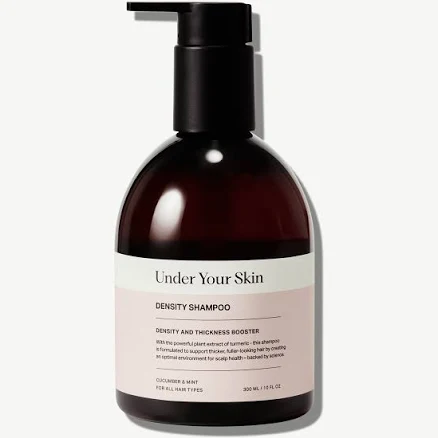
Under Your Skin Density Shampoo
Low-medium risk with no red flags, though brand transparency is lacking.
This liquid shampoo needs no water-repellent or nonstick coatings that would require PFAS additives. The brand hasn't publicly shared any PFAS testing data or commitments.
We flunk more products than we pass. This one earned its grade. How we grade
Material
aqueous shampoo base, typical cosmetic actives
Brand disclosure
Brand is silent on PFAS
Lab data
No public lab test
You may also be interested in
Top-graded picks in the categories readers replace first, every one scored on the same rubric.

- polypropylene filter housing, carbon/sediment cartridge
- We found no PFAS statement from the brand
- Bacterial growth in spent cartridges
3 hazards checked on this product, all on its full breakdown.

Aquasure
Premier Series 75 GPD Under Sink Reverse Osmosis Water Filtration System
- RO membrane, carbon filters, stainless steel housing
- We found no PFAS statement from the brand
- Bacterial and microbial growth in housing and filters
4 hazards checked on this product, all on its full breakdown.

Avocado
Vegan Mattress
- organic cotton, natural latex, coconut coir, recycled steel coils
- The brand calls it PFAS-free, which we have not verified
- Heavy metals
2 hazards checked on this product, all on its full breakdown.
What Under Your Skin Density Shampoo is made of, ingredients and materials
Under Your Skin Density Shampoo is a water-based cosmetic formulation typical of modern sulfate-free shampoos, likely containing surfactants, conditioning agents, and botanical actives marketed for volumizing benefit. The aqueous base means no volatile organic compounds or high-heat degradation risk during normal use. No public information indicates non-standard dyes, preservatives, or heavy-metal pigments in this product line.
What’s concerning
Category baseline
The starting point for this type of product, before anything specific to this product is counted.
No PFAS disclosure
No public statement from the brand about PFAS in this product.
Fragrance allergens and undisclosed fragrance components
The brand does not use synthetic fragrance, but botanical fragrance sources and essential oils can still trigger contact sensitization in 1-3% of users. The specific botanical actives in this density formula are not itemized in public labeling, limiting pre-purchase allergen screening.
1,4-dioxane contamination from surfactant manufacturing
Trace 1,4-dioxane can form during ethoxylation of surfactants used in shampoos. Regulatory limits in the US allow up to 10 ppm; most modern formulations test below 1 ppm. Credo does not disclose supplier testing for this contaminant.
Scalp irritation from surfactant concentration or pH imbalance
Any shampoo can trigger irritation in sensitive or compromised skin if pH is off-target (ideal range 4.5-6.5) or surfactant concentration is too aggressive. This product's density claims may indicate higher active levels; patch-test on forearm first if you have reactive scalp.
What’s reassuring
Base material not linked to PFAS
The main material recorded for this product is not one associated with PFAS.
Formaldehyde / VOCs
No public evidence indicates use of imidazolidinyl urea or dmdm hydantoin in Credo's private-label products, consistent with the brand's clean positioning. Standard aqueous shampoos typically use gentler systems (phenoxyethanol, potassium sorbate), but ingredient verification requires label review.
Source, ATSDR ↗Heavy metals
Plant-derived actives can accumulate cadmium and lead from soil; premium brands like Credo typically source from tested suppliers, but public testing records are not available for this product line.
Source, FDA ↗How is this PFAS grade calculated?
The brand's record and disclosure
The brand positions itself as a clean beauty retailer and curates products against synthetic fragrance and hormone-disrupting chemicals, but does not publish ingredient traceability reports or third-party safety certifications for its private-label products. The brand's PFAS stance is undisclosed, which is typical of the category but limits independent verification. No recalls or ingredient controversies are on record for this specific product.
How it compares in its category
Aqueous shampoos carry minimal acute chemical hazard compared to aerosol or silicone-heavy formulas. Credo's clean-beauty positioning places this product in the mid-to-premium segment where synthetic dyes and heavy-metal contamination are less common than in mass-market alternatives. However, the lack of public ingredient sourcing data means you cannot confirm absence of problematic fragrance allergens or preservative systems without contacting the brand directly.
If you buy it
Use as directed on damp hair and rinse thoroughly with cool to lukewarm water; hot water is unnecessary and can degrade hair rather than the product itself. Shampoos are not meant for extended skin contact, so rinse completely from scalp and face to avoid irritation in sensitive individuals. Store in a cool, dry place and discard if visible separation, odor change, or visible mold appear (typically 18-24 months for aqueous formulas). If scalp irritation or allergic reactions develop, discontinue and identify the specific ingredient trigger by checking the label.
What is not known about PFAS in this product?
- Basis
- Model estimate, 72% confidence, not a lab result
- Lab test
- None on record for this exact product
- Brand statement
- has made none
Formulations change between production runs, so check the current label. How we grade.
More shampoo grades
How we score, every product runs through the same public 0-100 rubric based on materials, coatings, brand disclosure, lab findings, and recalls. See the full methodology → Spotted a mistake? Report an error.