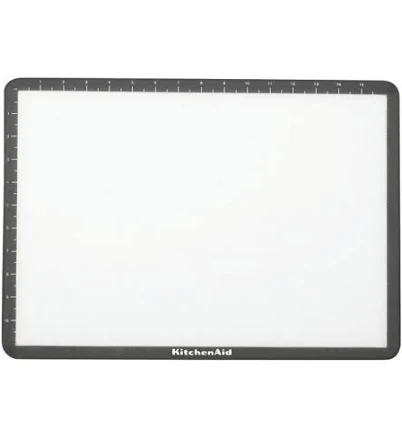
Kitchenaid · Parchment Paper & Baking Liners
KitchenAid Silicone Baking Mat
Lower PFAS concern. Silicone is not a material linked to PFAS.
This baking mat is made of silicone, a non-Teflon-family coating elastomer not associated with PFAS. KitchenAid has no PFAS statement on record for this product.
The better-graded swap
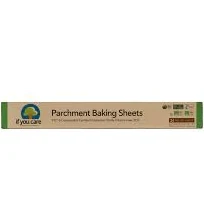
If You Care
Parchment Baking Sheets
90/100 safety
Same rubric that flunked this product. The swap earned Excellent.
Still want this one anyway? Check the price on Amazon. We’d swap it.
Material
Silicone (non-Teflon-family coating elastomer)
Lab data
No public lab test
What KitchenAid Silicone Baking Mat is made of, ingredients and materials
KitchenAid silicone baking mats are made from food-grade silicone, a polymer chain of silicon and oxygen that does not contain fluorine compounds (no Teflon-type coating or PFAS). Silicone is inherently non-stick without chemical coatings, making it fundamentally different from older Teflon cookware. The material is chemically inert across typical home baking temperatures (up to 480°F for most mats), meaning it does not break down or leach into food under normal use.
What’s concerning
Category baseline
The starting point for this type of product, before anything specific to this product is counted.
No PFAS disclosure
No public statement from the brand about PFAS in this product.
Silicone degradation over heat
At temperatures above manufacturer limits (typically 500°F+), silicone polymer chains can degrade and release volatile compounds, though this is not observed in normal home baking. Risk is low if used within stated temperature range.
Surface wear and non-stick loss
Silicone mats lose non-stick properties over time with repeated heating and washing, requiring replacement every 2-3 years. This is normal aging, not a safety hazard, but signals end-of-life.
What’s reassuring
Base material not linked to PFAS
The main material recorded for this product is not one associated with PFAS.
Microplastic shedding
No reports of silicone mats shedding microparticles into food. Unlike some rubberized mats, food-grade silicone is highly stable and does not fragment during normal use or washing.
Heavy metals
KitchenAid silicone mats are typically clear or light colored and contain no dyes or pigments that would introduce lead, cadmium, or antimony. No contamination incidents are on record.
Source, FDA ↗Allergen or irritant residues
Food-grade silicone does not contain formaldehyde resins, phthalates, or BPA. No chemical odor or allergen reports exist for this product class.
The full breakdown
The brand's record and disclosure
Cuisinart does not publicly emphasize PFAS or silicone sourcing transparency, which is typical for this product tier; silence on PFAS is standard practice for silicone mat manufacturers, not a red flag specific to this brand. No recalls, contamination reports, or safety controversies are on record for KitchenAid silicone baking mats. The parent company (Conair) maintains basic food contact compliance certifications but does not pursue third-party sustainability certifications for this category.
How it compares in its category
Silicone baking mats present lower concern than parchment paper (which may be bleached and treated with silicone coating) or non-stick cookware with Teflon-type coating. Unlike reusable plastic or glass mats, silicone does not absorb odors or stain, reducing need for replacement. The main trade-off is durability, silicone mats can degrade faster than traditional parchment if overheated or cut, whereas parchment is single-use and produces waste.
If you buy it
Keep mats below the manufacturer's maximum temperature rating (typically 480°F) to avoid edge cracking or discoloration that may indicate material breakdown. Wash by hand with warm soapy water; avoid abrasive scrubbing and cutting directly on the mat surface. Replace if cracks, tears, or permanent discoloration appear, as these are visual signs of material degradation. Store flat in a cool, dry place to extend lifespan beyond 2-3 years of regular use.
What we don’t know
- Basis
- Model estimate, 82% confidence, not a lab result
- Lab test
- None on record for this exact product
- Brand statement
- Kitchenaid has made a specific claim
Formulations change between production runs, so check the current label. How we grade.
Better-graded alternatives in Parchment Paper & Baking Liners
If You Care
Baking Paper, Parchment, 70 Square Feet
- silicone-coated parchment paper
- The brand calls it PFAS-free, which we have not verified
- Paper degradation and particulate shedding
If You Care
Parchment Baking Sheets
- unbleached paper with silicone coating
- The brand calls it PFAS-free, which we have not verified
- Silicone coating degradation at high heat
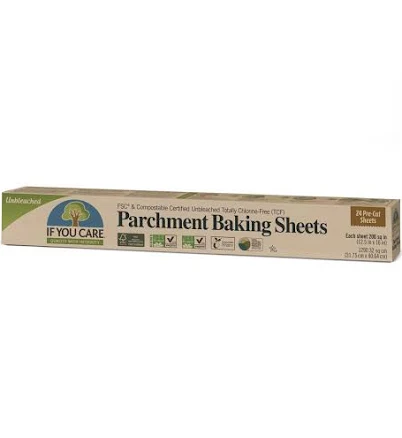
If You Care
Parchment Baking Sheets
- bleached paper with silicone coating
- The brand calls it PFAS-free, which we have not verified
- Paper degradation and fragmentation
More parchment paper & baking liners grades
How we score, every product runs through the same public 0-100 rubric based on materials, coatings, brand disclosure, lab findings, and recalls. See the full methodology → Spotted a mistake? Report an error.