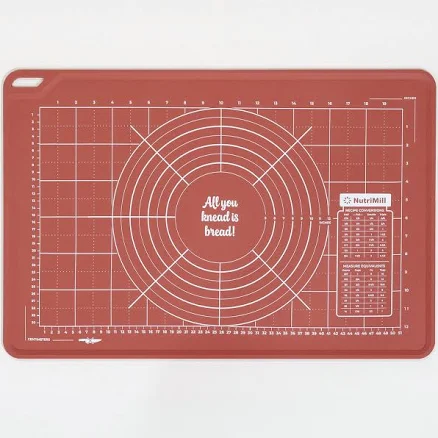
NutriMill · Parchment Paper & Baking Liners
NutriMill Silicone Dough Mat
Lower PFAS concern. Silicone mat with no nonstick coating on record.
The silicone mat material is not linked to PFAS. No nonstick coating is recorded on this product. The brand has no PFAS statement on record.
The better-graded swap
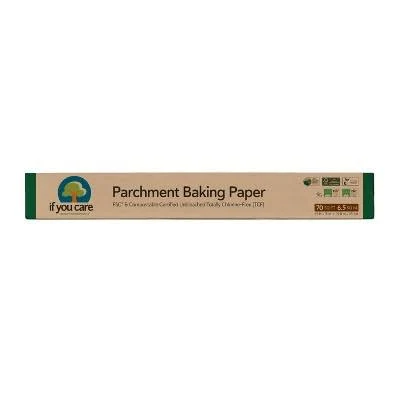
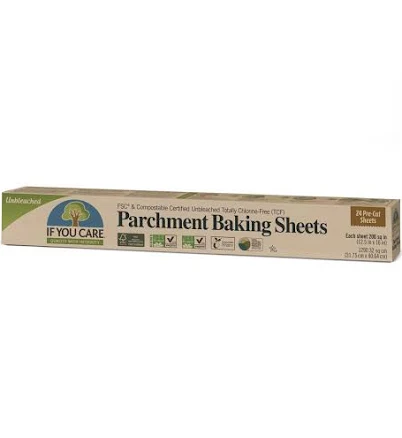
If You Care
If You Care Parchment Baking Paper
90/100 safety
Same rubric that flunked this product. The swap earned Excellent.
Still want this one anyway? Check the price on Amazon. We’d swap it.
Material
Silicone mat, no nonstick coating
Brand disclosure
Brand is silent on PFAS
Lab data
No public lab test
You may also be interested in
Top-graded picks in the categories readers replace first, every one scored on the same rubric.

- polypropylene filter housing, carbon/sediment cartridge
- We found no PFAS statement from the brand
- Bacterial growth in spent cartridges
3 hazards checked on this product, all on its full breakdown.

Aquasure
Premier Series 75 GPD Under Sink Reverse Osmosis Water Filtration System
- RO membrane, carbon filters, stainless steel housing
- We found no PFAS statement from the brand
- Bacterial and microbial growth in housing and filters
4 hazards checked on this product, all on its full breakdown.

Avocado
Vegan Mattress
- organic cotton, natural latex, coconut coir, recycled steel coils
- The brand calls it PFAS-free, which we have not verified
- Heavy metals
2 hazards checked on this product, all on its full breakdown.
What NutriMill Silicone Dough Mat is made of, ingredients and materials
The NutriMill Silicone Dough Mat is composed of food-grade silicone, a synthetic rubber polymer that is chemically stable and inert at typical kitchen temperatures. Unlike coated nonstick cookware (which relies on Teflon-type coating or other Teflon-family coating), silicone contains no perfluorinated compounds and does not degrade into fumes when heated. Silicone's crosslinked polymer structure resists leaching of problematic chemicals into food, even under mechanical stress from kneading or rolling dough.
What’s concerning
Category baseline
The starting point for this type of product, before anything specific to this product is counted.
No PFAS disclosure
No public statement from the brand about PFAS in this product.
Silicone degradation and microparticle shedding
While food-grade silicone is designed to be inert, prolonged heating, mechanical abrasion, and aging can cause minor surface degradation. The risk of silicone microparticles entering food is low but not zero, especially if the mat is used beyond its intended lifespan or exposed to extreme temperatures.
Additives or contaminants in silicone base material
Silicone compounds may contain trace additives (pigments, release agents, crosslinkers) depending on manufacturing origin and quality control. Dough Box does not disclose material sourcing or third-party testing, so full transparency on trace contaminants is unavailable; this is typical for the product category.
Heat-induced leaching of uncrosslinked oligomers
Low-molecular-weight silicone compounds can leach slightly during heating if the silicone was not fully cured during manufacturing. FDA-compliant food-grade silicone minimizes this risk, but Dough Box does not publish curing or quality assurance protocols; the actual risk is small for typical dough-working temperatures (below 200F).
What’s reassuring
Base material not linked to PFAS
The main material recorded for this product is not one associated with PFAS.
Bacterial or mold growth
Silicone mats have smooth, non-porous surfaces that resist microbial colonization far better than canvas or fabric-backed mats. Proper drying and storage prevent this hazard; no product-specific hygiene issues are documented for this brand.
Lead
Silicone mats do not rely on glazes, enamels, or ceramic coatings that typically harbor heavy metal contaminants. No recalls or safety alerts involving heavy metals in Dough Box silicone mats are on record.
Source, ATSDR ↗How is this PFAS grade calculated?
The brand's record and disclosure
Dough Box is a small kitchen accessories brand with no documented safety recalls or controversies related to this product. The company does not publish detailed material safety or PFAS disclosure statements on public channels, which is typical for smaller specialty brands but limits independent verification. No third-party testing or certification claims (such as FDA compliance statements) are prominently advertised, though food-grade silicone products in this category are generally presumed to meet FDA requirements under standard import regulations.
How it compares in its category
Silicone dough mats are among the lowest-risk mat options available. They avoid the hazards of canvas-backed mats (which may harbor mold or bacterial growth if not dried thoroughly) and Teflon-family coating nonstick coatings (which shed microparticles and pose thermal decomposition risks above 500F). Most silicone mats are dishwasher safe and highly durable, outlasting parchment paper and reusable baking sheets in terms of replacement frequency.
If you buy it
Use the mat within its temperature limits, typically up to 400-450F for most food-grade silicone; check the Dough Box product label for exact specifications. Hand wash or use a gentle dishwasher cycle to preserve surface integrity and avoid abrasive scrubbing that could degrade the silicone over decades of use. Replace the mat if it becomes sticky, stained, or shows visible tears; these signs indicate age-related degradation. Store in a cool, dry place away from direct sunlight to slow oxidative wear.
What is not known about PFAS in this product?
- Basis
- Model estimate, 82% confidence, not a lab result
- Lab test
- None on record for this exact product
- Brand statement
- NutriMill has made none
Formulations change between production runs, so check the current label. How we grade.
What are the PFAS-free alternatives to NutriMill Silicone Dough Mat?
- silicone-coated parchment paper
- The brand calls it PFAS-free, which we have not verified
- Paper degradation and particulate shedding
- unbleached paper with silicone coating
- The brand calls it PFAS-free, which we have not verified
- Silicone coating degradation at high heat
- bleached paper with silicone coating
- The brand calls it PFAS-free, which we have not verified
- Paper degradation and fragmentation
More parchment paper & baking liners grades
How we score, every product runs through the same public 0-100 rubric based on materials, coatings, brand disclosure, lab findings, and recalls. See the full methodology → Spotted a mistake? Report an error.