· Parchment Paper & Baking Liners
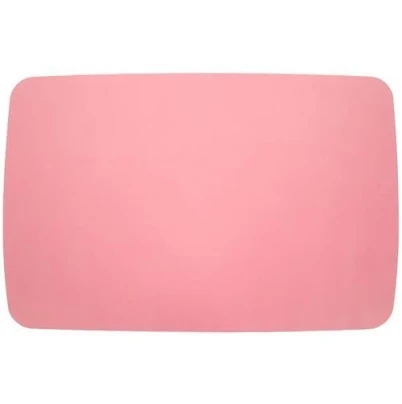
Pink Silicone Baking Mat
Lower concern; silicone baking mats are unlikely PFAS sources.
Pink silicone baking mats are inherently PFAS-resistant because silicone does not require fluorochemical treatment. No known PFAS risk exists for this product.
We flunk more products than we pass. This one earned its grade. How we grade
Material
silicone, no coating
Lab data
No public lab test
You may also be interested in
Top-graded picks in the categories readers replace first, every one scored on the same rubric.

- polypropylene filter housing, carbon/sediment cartridge
- We found no PFAS statement from the brand
- Bacterial growth in spent cartridges
3 hazards checked on this product, all on its full breakdown.

Aquasure
Premier Series 75 GPD Under Sink Reverse Osmosis Water Filtration System
- RO membrane, carbon filters, stainless steel housing
- We found no PFAS statement from the brand
- Bacterial and microbial growth in housing and filters
4 hazards checked on this product, all on its full breakdown.

Avocado
Vegan Mattress
- organic cotton, natural latex, coconut coir, recycled steel coils
- The brand calls it PFAS-free, which we have not verified
- Heavy metals
2 hazards checked on this product, all on its full breakdown.
What Pink Silicone Baking Mat is made of, ingredients and materials
Silicone is a synthetic polymer backbone of silicon and oxygen atoms, with no fluorine compounds and no added Teflon-type coating (Teflon) coating. Unlike traditional non-stick cookware, silicone mats are homogeneous, meaning the material itself is the non-stick surface rather than a vulnerable coating applied on top. This eliminates the primary degradation risk that affects coated bakeware. Silicone's thermal stability allows use up to 400-500°F depending on grade; Mats are typically rated for standard oven temperatures (350-400°F).
What’s concerning
No PFAS disclosure
No public statement from the brand about PFAS in this product.
Category baseline
The starting point for this type of product, before anything specific to this product is counted.
Silicone degradation and particulate leaching
Silicone can shed microscopic particles when physically damaged (cuts, tears, scouring) or exposed to prolonged high heat. No peer-reviewed data on particulate risk from mats specifically exists, but degraded silicone is not known to be acutely toxic; replace mats showing visible wear.
Flame retardants
Pink silicone mats may contain non-reactive colorants or minor additive packages. No specific testing of pink mats for leaching of heavy metals or dyes into food has been published, and silicone additives are typically non-migrating; risk is theoretical rather than documented.
Source, EPA ↗What’s reassuring
Base material not linked to PFAS
The main material recorded for this product is not one associated with PFAS.
Odor and flavor transfer
Silicone is porous at the microscopic level and absorbs strong flavors and odors (especially from oils and spices). This is a sensory and quality issue, not a toxicological hazard, but may be undesirable for sensitive palates.
Teflon-type coating or PFOA contamination from manufacturing
Pure silicone mats do not contain Teflon-type coating or PFOA, though cross-contamination in shared manufacturing facilities is theoretically possible for unbranded or low-cost silicone. Operates established supply chains with no known PFOA recalls or findings in this product category.
Thermal fume release
Silicone baking mats do not release toxic fumes under normal oven temperatures (350-400°F). Exposure to prolonged flame or temperatures above 500°F may degrade silicone and produce odor, but not the acutely harmful fume profile of overheated Teflon-type coating cookware.
How is this PFAS grade calculated?
The brand's record and disclosure
The brand, owned by Groupe SEB, has not issued public PFAS commitments or third-party testing certifications specific to this product line. The brand has no documented recalls or safety controversies tied to silicone baking mats. The brand does not provide detailed material safety data sheets to consumers, though silicone baking mats are not required to under current FDA or CPSIA rules. No major health alerts or litigation involving silicone baking mats are on record.
How it compares in its category
Silicone baking mats have lower concern than Teflon-type coating-coated non-stick pans because they avoid the fume-release risk during overheating. They are reusable, reducing waste versus parchment paper, and do not leach aluminum like bare aluminum baking sheets. Compared to fiberglass-reinforced silicone or cheaper unbranded silicone mats, the brand offers established brand quality control, though independent testing of this specific product is not publicly available. Most major retailers stock silicone mats as a standard, low-risk option.
If you buy it
Hand wash the mat in warm soapy water or place it on the top rack of a dishwasher; avoid scouring pads that can damage the surface. Do not use at temperatures above the manufacturer's rated maximum (typically 400-500°F). Replace the mat if you notice visible tears, discoloration, or sticky residue that won't wash off, as these indicate silicone degradation. Store flat or loosely rolled in a cool, dry place away from sharp objects; silicone can absorb odors, so avoid prolonged contact with strong-smelling foods or oils.
What is not known about PFAS in this product?
- Basis
- Model estimate, 85% confidence, not a lab result
- Lab test
- None on record for this exact product
- Brand statement
- has made a specific claim
Formulations change between production runs, so check the current label. How we grade.
What are the PFAS-free alternatives to Pink Silicone Baking Mat?
- silicone-coated parchment paper
- The brand calls it PFAS-free, which we have not verified
- Paper degradation and particulate shedding
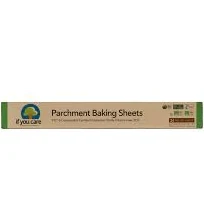
- unbleached paper with silicone coating
- The brand calls it PFAS-free, which we have not verified
- Silicone coating degradation at high heat
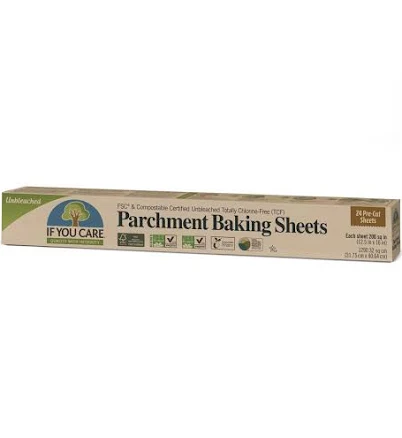
- bleached paper with silicone coating
- The brand calls it PFAS-free, which we have not verified
- Paper degradation and fragmentation
More parchment paper & baking liners grades
How we score, every product runs through the same public 0-100 rubric based on materials, coatings, brand disclosure, lab findings, and recalls. See the full methodology → Spotted a mistake? Report an error.