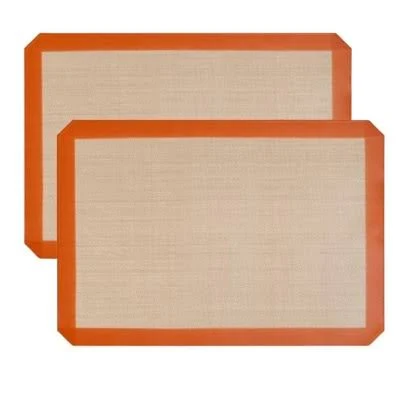
Home Collection · Parchment Paper & Baking Liners
Home Collection Silicone Baking Mats
Lower PFAS concern; silicone baking mats lack Teflon-family coating chemistry.
Home Collection silicone baking mats are made from food-grade silicone without Teflon-type coating or Teflon-family coating coatings. No PFAS disclosure is needed for this material.
We flunk more products than we pass. This one earned its grade. How we grade
Material
food-grade silicone (non-Teflon-family coating)
Brand disclosure
Brand is silent on PFAS
Lab data
No public lab test
You may also be interested in
Top-graded picks in the categories readers replace first, every one scored on the same rubric.

- polypropylene filter housing, carbon/sediment cartridge
- We found no PFAS statement from the brand
- Bacterial growth in spent cartridges
3 hazards checked on this product, all on its full breakdown.

Aquasure
Premier Series 75 GPD Under Sink Reverse Osmosis Water Filtration System
- RO membrane, carbon filters, stainless steel housing
- We found no PFAS statement from the brand
- Bacterial and microbial growth in housing and filters
4 hazards checked on this product, all on its full breakdown.

Avocado
Vegan Mattress
- organic cotton, natural latex, coconut coir, recycled steel coils
- The brand calls it PFAS-free, which we have not verified
- Heavy metals
2 hazards checked on this product, all on its full breakdown.
What Home Collection Silicone Baking Mats is made of, ingredients and materials
Farberware Home Collection Silicone Baking Mats are made from food-grade silicone, a synthetic rubber polymer that does not contain fluorine and therefore lacks the PFAS chemistry found in traditional non-stick coatings like Teflon-type coating (Teflon). Silicone is chemically stable at typical baking temperatures (up to 400-500°F depending on formulation) and does not degrade into volatile fumes or leach monomers into food under normal use. The material is non-porous and reusable, reducing packaging waste compared to single-use parchment paper.
What’s concerning
No PFAS disclosure
No public statement from the brand about PFAS in this product.
Category baseline
The starting point for this type of product, before anything specific to this product is counted.
Silicone oligomer leaching
Food-grade silicone can release small amounts of oligomeric siloxanes during heating, especially at temperatures above 400°F or with fatty/acidic foods. Levels in published studies are below regulatory concern for typical baking use, but exposure is not zero.
Surface degradation and particle shedding
Over extended use, silicone mats can become sticky, crack, or shed tiny particles if scraped or overheated. Risk is low if product is replaced when visibly worn, but aged mats may contaminate baked goods with silicone fragments.
Thermal stability above rated temperature
If used above the product's temperature rating (typically 450-500°F), silicone can soften, lose shape, or potentially emit odors. Risk is mainly misuse rather than inherent design flaw.
Microbial growth if not dried fully
Silicone's porous surface (under magnification) can harbor bacteria if not air-dried completely after washing. Risk is minimal with standard kitchen hygiene but matters for immunocompromised households.
What’s reassuring
Base material not linked to PFAS
The main material recorded for this product is not one associated with PFAS.
Allergen or contaminant transfer (manufacturing origin)
No documented recalls or complaints for Farberware silicone mats due to cross-contamination during manufacturing. Food-grade certification standards typically address this, though Farberware does not publicly cite independent testing.
How is this PFAS grade calculated?
The brand's record and disclosure
Farberware (owned by Groupe SEB) has not issued detailed public statements specifically about PFAS avoidance in silicone baking mats, though the absence of Teflon-type coating in the product formulation is inherent to the material choice. The company has not faced documented recalls or safety complaints tied to silicone mats in this product line. Food-grade silicone certification claims are common in the category but third-party verification (e.g., FDA food contact confirmation) is not prominently advertised on packaging.
How it compares in its category
Silicone baking mats show lower concern than Teflon-type coating-coated mats in the non-stick bakeware category, with a similar hazard profile to uncoated parchment or glass. Unlike traditional non-stick cookware, silicone mats do not pose thermal decomposition risks at standard baking temperatures. The main trade-off is durability, silicone can stick or degrade slightly over years of heavy use, whereas Teflon-type coating-coated pans are often more slippery long-term, but Teflon-type coating carries thermal hazard and PFAS concerns that silicone avoids.
If you buy it
Hand wash with mild soap and avoid abrasive scrubbers that can accelerate surface wear. Do not exceed 500°F (check product label for exact rating); most silicone mats are rated to 450°F, well within standard home-oven use. Discard or replace if the mat becomes sticky, develops tears, or discolors significantly, as silicone can degrade and lose non-stick properties over 5-10 years of regular use. Store flat or loosely rolled to avoid permanent creasing.
What is not known about PFAS in this product?
- Basis
- Model estimate, 82% confidence, not a lab result
- Lab test
- None on record for this exact product
- Brand statement
- Home Collection has made none
Formulations change between production runs, so check the current label. How we grade.
What are the PFAS-free alternatives to Home Collection Silicone Baking Mats?
- silicone-coated parchment paper
- The brand calls it PFAS-free, which we have not verified
- Paper degradation and particulate shedding
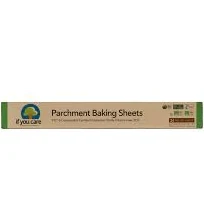
- unbleached paper with silicone coating
- The brand calls it PFAS-free, which we have not verified
- Silicone coating degradation at high heat
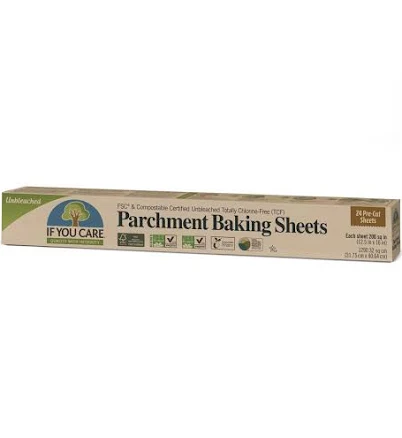
- bleached paper with silicone coating
- The brand calls it PFAS-free, which we have not verified
- Paper degradation and fragmentation
More parchment paper & baking liners grades
How we score, every product runs through the same public 0-100 rubric based on materials, coatings, brand disclosure, lab findings, and recalls. See the full methodology → Spotted a mistake? Report an error.