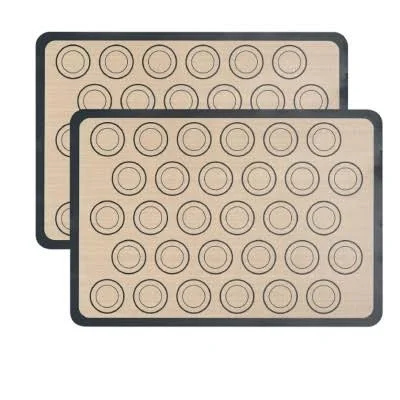
Home Collection · Parchment Paper & Baking Liners
Home Collection 2-Pack Silicone Baking Mats
Silicone material recorded has lower PFAS concern than typical non-stick coatings.
Material as recorded is food-grade silicone, not a material linked to PFAS. No PFAS statement from the brand on record. No coating or treatment disclosed.
We flunk more products than we pass. This one earned its grade. How we grade
Material
Food-grade silicone
Brand disclosure
Brand is silent on PFAS
Lab data
No public lab test
You may also be interested in
Top-graded picks in the categories readers replace first, every one scored on the same rubric.

- polypropylene filter housing, carbon/sediment cartridge
- We found no PFAS statement from the brand
- Bacterial growth in spent cartridges
3 hazards checked on this product, all on its full breakdown.

Aquasure
Premier Series 75 GPD Under Sink Reverse Osmosis Water Filtration System
- RO membrane, carbon filters, stainless steel housing
- We found no PFAS statement from the brand
- Bacterial and microbial growth in housing and filters
4 hazards checked on this product, all on its full breakdown.

Avocado
Vegan Mattress
- organic cotton, natural latex, coconut coir, recycled steel coils
- The brand calls it PFAS-free, which we have not verified
- Heavy metals
2 hazards checked on this product, all on its full breakdown.
What Home Collection 2-Pack Baking Mats is made of, ingredients and materials
Farberware's silicone baking mats are composed of food-grade silicone, a synthetic rubber polymer that does not contain the same non-stick chemistry (Teflon-type coating/Teflon-family coating) as traditional coated cookware. Food-grade silicone has undergone FDA review for direct food contact and is considered chemically stable at typical baking temperatures (up to around 480-500°F). Unlike ceramic or non-stick coatings that can degrade and shed particles, silicone maintains structural integrity without peeling, chipping, or flaking under normal use.
What’s concerning
No PFAS disclosure
No public statement from the brand about PFAS in this product.
Category baseline
The starting point for this type of product, before anything specific to this product is counted.
Silicone degradation and leaching
While food-grade silicone is stable, prolonged exposure to oils, high heat cycles, or harsh detergents may slowly degrade the surface. No established recalls or studies document significant leaching from Farberware mats, but extreme temperatures or dishwasher cycling can accelerate wear.
Thermal runaway and localized overheating
If placed directly on an oven rack or on uneven heat sources, silicone mats can experience localized hot spots that may soften or discolor the material. This is a user-error risk rather than an inherent product defect, but exceeding 500°F can degrade silicone.
Mold or bacterial growth in creases
Improper drying or storage in tight folds can trap moisture, creating conditions for mold growth in crevices. This is preventable through proper care (flat storage, thorough drying) and is not a manufacturing defect.
Adhesion loss and non-stick failure
Over time, especially with oil accumulation or aggressive scrubbing, the mats may lose their non-stick properties. This is a performance issue rather than a safety hazard, but sticky mats may encourage reapplication of oils or cooking sprays.
What’s reassuring
Base material not linked to PFAS
The main material recorded for this product is not one associated with PFAS.
Contaminants in raw silicone material
No recalls or public reports document heavy metals, formaldehyde, or other contaminants in Farberware silicone baking mats. Food-grade silicone is manufactured under FDA oversight, though individual batch testing is not typically disclosed.
How is this PFAS grade calculated?
The brand's record and disclosure
Farberware has not made public statements about PFAS in silicone baking mats, which is typical for the category since modern food-grade silicone is rarely formulated with PFAS compounds. The brand carries no known safety recalls specific to these mats. Farberware is owned by Groupe SEB and is a long-established cookware manufacturer with standard compliance to FDA food-contact material rules, though the company does not publish detailed third-party certifications for silicone mat composition.
How it compares in its category
Silicone baking mats occupy a lower-hazard position compared to Teflon-type coating-coated non-stick pans (which carry fume risk if overheated) or parchment paper (which may contain PFAS in some commercial products). They are reusable alternatives to single-use parchment and avoid the leaching risks of some glass or glazed ceramic baking sheets. Cost and convenience are competitive with other mid-range mat brands; durability and temperature stability are standard for the silicone mat category overall.
If you buy it
Hand wash these mats in warm soapy water rather than dishwasher to extend lifespan and avoid thermal stress cycles. Do not exceed 480-500°F; check your oven's accurate temperature to avoid localized overheating. Replace the mats if you observe discoloration, stickiness returning, or visible surface damage, though properly used food-grade silicone typically lasts several years. Store flat or loosely rolled to prevent creasing that could trap moisture or mold.
What is not known about PFAS in this product?
- Basis
- Model estimate, 82% confidence, not a lab result
- Lab test
- None on record for this exact product
- Brand statement
- Home Collection has made none
Formulations change between production runs, so check the current label. How we grade.
What are the PFAS-free alternatives to Home Collection 2-Pack Silicone Baking Mats?
- silicone-coated parchment paper
- The brand calls it PFAS-free, which we have not verified
- Paper degradation and particulate shedding
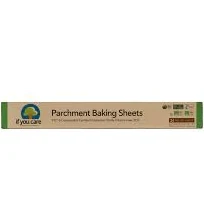
- unbleached paper with silicone coating
- The brand calls it PFAS-free, which we have not verified
- Silicone coating degradation at high heat
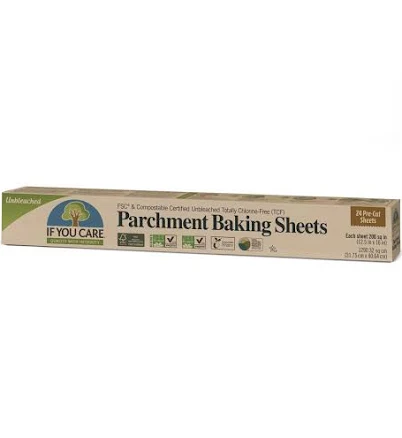
- bleached paper with silicone coating
- The brand calls it PFAS-free, which we have not verified
- Paper degradation and fragmentation
More parchment paper & baking liners grades
How we score, every product runs through the same public 0-100 rubric based on materials, coatings, brand disclosure, lab findings, and recalls. See the full methodology → Spotted a mistake? Report an error.