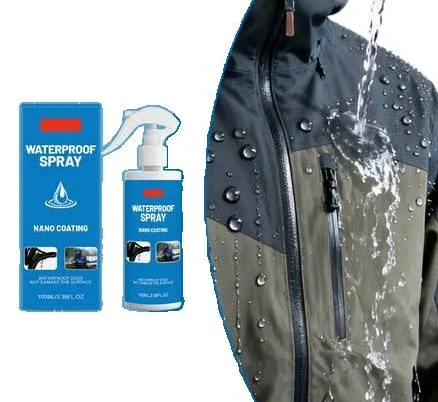
100ml Fabric Guard Spray
Don't buy. Fabric spray coating chemistry is unclear and unconfirmed.
Doesn't reveal PFAS status or ingredient composition for this fabric spray. Stain and water treatments on textiles often contain PFAS, but the actual formula remains hidden.
Still want this one anyway? Check the price on Amazon. We’d swap it.
Material
Proprietary fabric guard coating, likely silicone or acrylate-based polymer
Brand disclosure
Brand is silent on PFAS
Lab data
No public lab test
You may also be interested in
Top-graded picks in the categories readers replace first, every one scored on the same rubric.

- polypropylene filter housing, carbon/sediment cartridge
- We found no PFAS statement from the brand
- Bacterial growth in spent cartridges
3 hazards checked on this product, all on its full breakdown.

Aquasure
Premier Series 75 GPD Under Sink Reverse Osmosis Water Filtration System
- RO membrane, carbon filters, stainless steel housing
- We found no PFAS statement from the brand
- Bacterial and microbial growth in housing and filters
4 hazards checked on this product, all on its full breakdown.

Avocado
Vegan Mattress
- organic cotton, natural latex, coconut coir, recycled steel coils
- The brand calls it PFAS-free, which we have not verified
- Heavy metals
2 hazards checked on this product, all on its full breakdown.
What 100ml Fabric Guard Spray is made of, ingredients and materials
The brand's Fabric Guard Spray uses a proprietary polymer coating (likely silicone or acrylate-based) to repel water and stains from upholstery and textiles. The exact resin chemistry is not disclosed publicly, which makes independent assessment of volatile organic compound (VOC) emissions and polymer stability difficult. Without a safety data sheet readily available to consumers, the risk profile of this specific formulation cannot be fully verified against established standards.
What’s concerning
Category baseline
The starting point for this type of product, before anything specific to this product is counted.
Vague safety claims only
Uses vague language ("eco-friendly", "clean") without a specific PFAS statement.
Waterproof / stain-resistant treatment
Water-repellent coating treatments have historically used PFAS.
Volatile organic compound (VOC) emissions
Proprietary polymer sprays often contain solvent carriers and may off-gas formaldehyde or other organics during application and curing. The brand does not publish VOC concentration or off-gassing test data, making inhalation risk assessment speculative but plausible, especially in poorly ventilated spaces.
Coating degradation and microparticle shedding
As fabric-bonded polymer coatings age, they can crack, flake, or shed fine particles with washing or friction. Without durability data, the timeline and extent of potential microparticle release from this formulation is unknown; users may inhale or ingest shed particles inadvertently.
Respiratory sensitization and irritation
Acrylate and silicone-based polymers can trigger coughing, throat irritation, or asthmatic responses in sensitive individuals during or shortly after application. No published safety profile for this specific brand limits our ability to predict individual risk.
Skin and eye contact hazard
Spray formulations carry inherent risk of mist inhalation and splash contact; spray propellants and resin particles may irritate mucous membranes. Product labeling and safety instructions are not publicly accessible for this specific item, so application protocols cannot be independently verified.
Aquatic and soil persistence
Fluorinated fabric guard coatings (common in this category) persist in wastewater; non-fluorinated acrylate coatings may bioaccumulate in sediments. The brand's proprietary formula is unverified, but if silicone-based it may present lower aquatic risk than fluorinated alternatives.
How is this PFAS grade calculated?
The brand's record and disclosure
The brand, primarily known for moisture-control products, has not published detailed safety certifications or third-party testing results for this fabric spray product. The brand does not publicly commit to PFAS-free formulations or provide a chemical transparency statement. No significant recalls or safety incidents tied to this specific product appear in public records, but the absence of proactive disclosure is a transparency red flag in the fabric treatment category.
How it compares in its category
Fabric guard sprays vary widely in chemical composition; some use water-based acrylates with lower VOC profiles, while others rely on solvent-heavy or fluorinated polymer systems. Products carrying third-party certifications (e.g., Cradle to Cradle, GreenGuard) typically disclose their polymer type and off-gassing data. The brand's lack of visible certification or transparency places it in the middle-to-lower end of the disclosure spectrum for this category.
If you buy it
Apply only in well-ventilated areas or outdoors; do not use in closed bedrooms or nurseries during application and drying. Test on a hidden corner of fabric first to check for discoloration or coating buildup. Allow 24 hours drying time before contact with skin or mouth. Replace with a certified, low-VOC alternative if you notice persistent chemical odor, fabric stiffening, or respiratory irritation after use.
What is not known about PFAS in this product?
- Basis
- Model estimate, 35% confidence, not a lab result
- Lab test
- None on record for this exact product
- Brand statement
- has made none
Formulations change between production runs, so check the current label. How we grade.
What are the PFAS-free alternatives to 100ml Fabric Guard Spray?
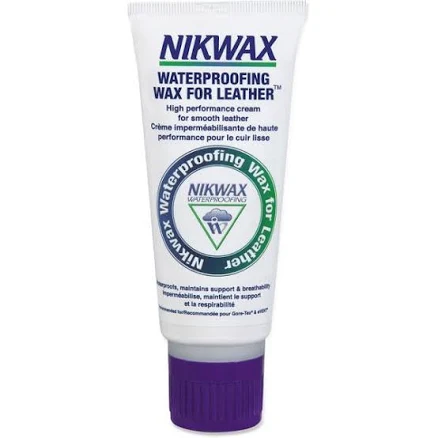
- wax-based waterproofing
- The brand calls it PFAS-free, which we have not verified
- Respiratory irritation or fume inhalation during application
2 hazards checked on this product, all on its full breakdown.
Find an alternative on Amazon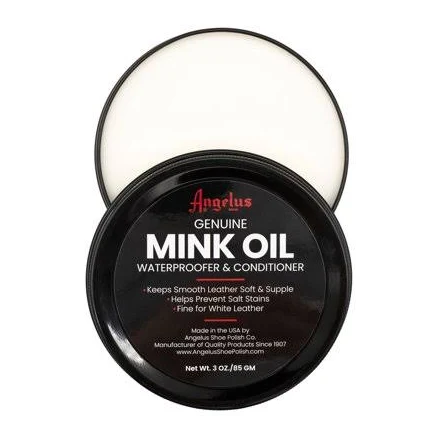
- mink oil paste, natural oil-based conditioner
- We found no PFAS statement from the brand
- Microbial growth (natural oil rancidity)
2 hazards checked on this product, all on its full breakdown.
Find an alternative on Amazon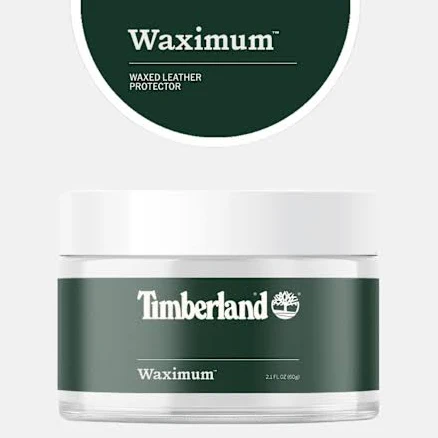
- Wax-based leather protector
- We found no PFAS statement from the brand
- Volatile organic compounds (VOCs) from solvents
3 hazards checked on this product, all on its full breakdown.
Find an alternative on AmazonMore fabric stain guard sprays grades
How we score, every product runs through the same public 0-100 rubric based on materials, coatings, brand disclosure, lab findings, and recalls. See the full methodology → Spotted a mistake? Report an error.