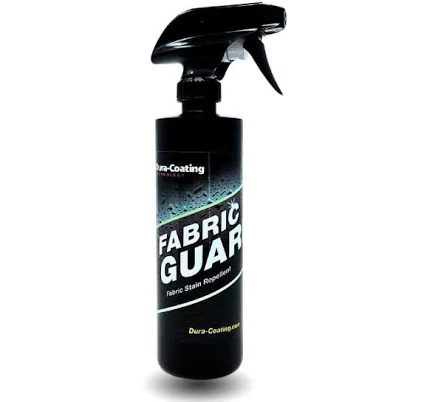
Gallon Fabric Guard
Water-repellent fabric spray with no PFAS disclosure from brand.
Gallon Fabric Guard is a fabric protectant spray with a water-repellent finish. The brand has no PFAS statement on record. Water-repellent treatments have historically used PFAS, though the chemistry of this product is not stated.
Still want this one anyway? Check the price on Amazon. We’d swap it.
Material
Fabric protectant spray, likely silicone or acrylate-based water repellent
Brand disclosure
Brand is silent on PFAS
Lab data
No public lab test
You may also be interested in
Top-graded picks in the categories readers replace first, every one scored on the same rubric.

- polypropylene filter housing, carbon/sediment cartridge
- We found no PFAS statement from the brand
- Bacterial growth in spent cartridges
3 hazards checked on this product, all on its full breakdown.

Aquasure
Premier Series 75 GPD Under Sink Reverse Osmosis Water Filtration System
- RO membrane, carbon filters, stainless steel housing
- We found no PFAS statement from the brand
- Bacterial and microbial growth in housing and filters
4 hazards checked on this product, all on its full breakdown.

Avocado
Vegan Mattress
- organic cotton, natural latex, coconut coir, recycled steel coils
- The brand calls it PFAS-free, which we have not verified
- Heavy metals
2 hazards checked on this product, all on its full breakdown.
What Gallon Fabric Guard is made of, ingredients and materials
Fabric Guard is a spray-applied water repellent, most likely based on silicone or acrylate polymer resins that form a hydrophobic barrier on fabric fibers. The propellant system and carrier solvents (often petroleum distillates or alcohols) are the primary exposure concern during application. These products do not chemically bond to fabric permanently; they degrade with washing, abrasion, and UV exposure, requiring periodic reapplication. No published ingredient disclosure for this specific product is readily available, which limits assessment of volatile organic compound (VOC) content and solvent identity.
What’s concerning
Category baseline
The starting point for this type of product, before anything specific to this product is counted.
No PFAS disclosure
No public statement from the brand about PFAS in this product.
Waterproof / stain-resistant treatment
Water-repellent coating treatments have historically used PFAS.
Volatile organic compounds (VOCs) and respiratory irritation
Fabric protectant sprays typically rely on solvent carriers (petroleum distillates, alcohols, or hydrocarbons) to deliver the active repellent. Inhalation during application poses acute risk of headache, dizziness, and airway irritation, especially in poorly ventilated spaces or for sensitive individuals. The product label should specify ventilation requirements; lack of published VOC content make
Fragrance allergens and sensitizers
Many fabric care sprays include fragrance compounds to mask solvent odor. Fragrances are common contact allergens and respiratory sensitizers, particularly for individuals with asthma or fragrance sensitivity. Product labels typically note 'fragrance' without ingredient-level disclosure, preventing identification of specific allergens.
Coating degradation and microfiber/particulate shedding
Fabric protectant coatings degrade with washing and abrasion, potentially releasing polymer microparticles. While not classified as microplastics in the strict sense, the shedding of synthetic coatings into household water systems is poorly studied. Risk is incremental, not acute, but relevant to long-term environmental and indoor dust burden.
Skin and eye contact risk during application
Spray application carries inherent risk of mist contact with skin, eyes, or mucous membranes. Solvent-based formulas can cause irritation or burns if undiluted product contacts eyes. No specific irritation data for this product is publicly documented; follow label warnings for protective equipment (gloves, eye protection if advised).
PFAS
Although PFAS status is unknown, silicone-based water repellents can pose environmental persistence concerns if washed into waterways. Non-fluorinated acrylate alternatives are also persistent but may carry different toxicity profiles. Without ingredient disclosure, risk cannot be ruled out or confirmed.
Source, ATSDR ↗How is this PFAS grade calculated?
The brand's record and disclosure
The brand produces primarily moisture-control products and does not publish detailed material safety data sheets or ingredient lists for consumer-facing fabric products on its main website. The company has no widely documented commitments to PFAS phase-out or third-party certifications (such as Bluesign, GOTS, or Cradle to Cradle) for its fabric care line. No major recalls or regulatory actions specific to this product have been reported in public records, but the absence of disclosure is itself a risk factor for informed selection.
How it compares in its category
Fabric protectants span a spectrum from water-based acrylic formulas (lower VOC) to solvent-heavy silicone treatments (higher VOC and respiratory irritation risk). Commercial alternatives such as Scotchgard (3M, now reformulated without legacy PFAS but still water-repellent) and plant-derived wax-based options offer more transparent labeling. Fabric Guard occupies the budget end of the market; comparable products at this price point typically do not disclose PFAS avoidance or VOC limits, making this product neither better nor worse than category norms, but also not a leader in safety transparency.
If you buy it
Apply only in well-ventilated spaces (outdoor or with windows open) and avoid inhalation of spray mist; wear gloves and do not apply near children or pets. Test on a hidden corner of fabric first to check for discoloration or staining, especially on delicate or vintage textiles. Allow fabric to dry fully (typically 2-4 hours) before contact. Reapply every 6-12 months depending on wear and washing frequency; discontinue if fabric develops odor, stiffness, or visible coating buildup, which may indicate product accumulation.
What is not known about PFAS in this product?
- Basis
- Model estimate, 35% confidence, not a lab result
- Lab test
- None on record for this exact product
- Brand statement
- has made none
Formulations change between production runs, so check the current label. How we grade.
What are the PFAS-free alternatives to Gallon Fabric Guard?
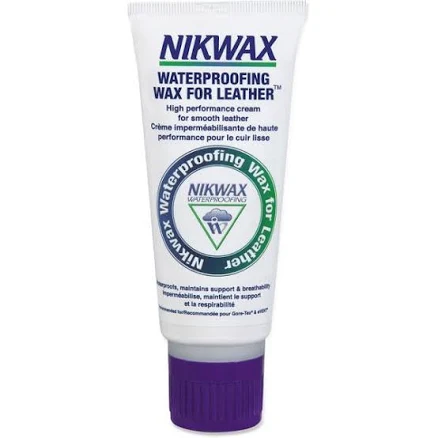
- wax-based waterproofing
- The brand calls it PFAS-free, which we have not verified
- Respiratory irritation or fume inhalation during application
2 hazards checked on this product, all on its full breakdown.
Find an alternative on Amazon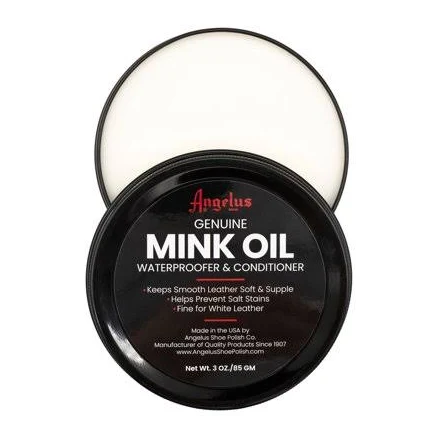
- mink oil paste, natural oil-based conditioner
- We found no PFAS statement from the brand
- Microbial growth (natural oil rancidity)
2 hazards checked on this product, all on its full breakdown.
Find an alternative on Amazon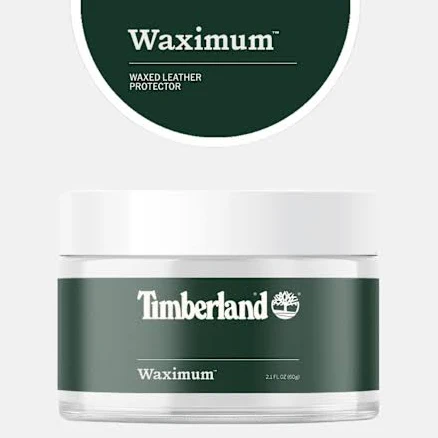
- Wax-based leather protector
- We found no PFAS statement from the brand
- Volatile organic compounds (VOCs) from solvents
3 hazards checked on this product, all on its full breakdown.
Find an alternative on AmazonMore fabric stain guard sprays grades
How we score, every product runs through the same public 0-100 rubric based on materials, coatings, brand disclosure, lab findings, and recalls. See the full methodology → Spotted a mistake? Report an error.