Decathlon · Ski & Snowboard Jackets
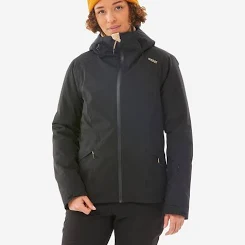
Decathlon Womens Warm Ski 500 Jacket
High water-repellent coating risk, no PFAS disclosure. Seek details before buying.
Ski jackets typically use water-repellent coatings that may contain PFAS. Decathlon does not publicly disclose PFAS status or safer coating technology for this model.
Still want this one anyway? Check the price on Amazon. We’d swap it.
Material
Polyamide with water-repellent finish
Brand disclosure
Brand is silent on PFAS
Lab data
No public lab test
What Decathlon Womens Warm Ski 500 Jacket is made of, ingredients and materials
This jacket is polyamide (nylon), a synthetic polymer chosen for durability and stretch in active wear. The 'water-repellent finish' is the critical unknown, it is almost certainly a water-repellent coating (water-repellent coating) treatment, which in the textile industry has historically been PFAS-based (perfluorooctane, perfluorodecalin, or similar), though some brands now use fluorine-free alternatives. Polyamide itself is stable and does not leach; the hazard sits entirely in that finish and whether it sheds microfibers during wear or washing.
What’s concerning
Waterproof / stain-resistant treatment
Water-repellent coating treatments have historically used PFAS.
Category baseline
The starting point for this type of product, before anything specific to this product is counted.
No PFAS disclosure
No public statement from the brand about PFAS in this product.
water-repellent coating (water-repellent coating) composition
Water-repellent finish on polyamide textiles is conventionally PFAS-based unless explicitly stated otherwise. Decathlon provides no disclosure, making PFAS presence probable but not confirmed. This is graded separately at 20/100; other hazards below assume non-PFAS or low-risk treatment.
Microfiber shedding
Polyamide garments shed microfibers during wear and washing, especially at stress points (seams, cuffs). Microplastics from outdoor clothing are documented in wastewater; no brand-specific data on this jacket exists, but it is a category-level concern for all synthetic ski wear.
What’s reassuring
Formaldehyde / VOCs
Formaldehyde-releasing resins are used in some textile finishes for wrinkle resistance or dye-setting. No formaldehyde-containing treatment is documented for Decathlon ski wear, and the water-repellent coating focus suggests this is not a primary ingredient, but composition remains undisclosed.
Source, ATSDR ↗Azo dyes
Azo dyes (which release carcinogenic amines under reductive conditions) are restricted in EU textiles. Decathlon products are EU-manufactured or sourced; azo dyes are unlikely, though not excluded by absence of disclosure.
Antimony in polyester
Antimony is a catalyst used in polyester production and is not relevant to polyamide. This jacket material does not trigger this hazard class.
The full breakdown
The brand's record and disclosure
Decathlon does not publicly disclose water-repellent coating chemistry for this or most products, and has no visible commitment to PFAS-free textiles on its website or product labels. The brand's silence on this detail, combined with its budget-focused manufacturing, suggests reliance on conventional (often PFAS-containing) treatments rather than premium alternatives. No established safety recalls or controversies specific to Decathlon ski wear are on record for non-PFAS textile hazards.
How it compares in its category
Women's ski jackets at Decathlon's price point (typically €80, 150) routinely use undisclosed water-repellent coating finishes; this is the category norm, not a Decathlon anomaly. Premium brands (Patagonia, Arc'teryx, The North Face) often specify PFAS-free treatments or post full composition; budget competitors rarely do. If PFAS exposure matters to you, this product sits at higher risk than certified alternatives, though cost trade-offs may be acceptable.
If you buy it
Contact Decathlon customer service before purchase and ask explicitly whether the water-repellent coating treatment is PFAS-free; request material safety data if available. Wash separately in cool water to minimize microfiber release and avoid shedding contaminants into household water. Expect water-repellent coating effectiveness to degrade after 30, 50 washes; reapplication will reintroduce the finish and its unknown chemistry. Store in a breathable bag to allow moisture escape and prevent mildew.
What we don’t know
- Basis
- Model estimate, 35% confidence, not a lab result
- Lab test
- None on record for this exact product
- Brand statement
- Decathlon has made none
Formulations change between production runs, so check the current label. How we grade.
Better-graded alternatives in Ski & Snowboard Jackets
Allbirds
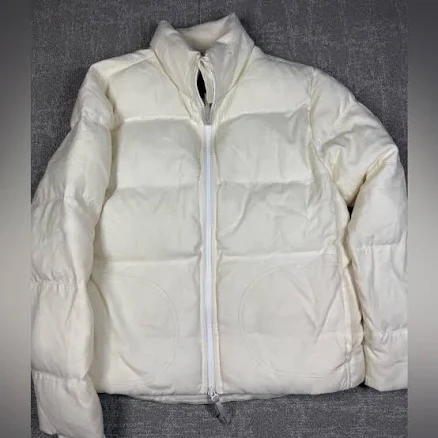
Jackets & Coats Allbirds Full Zip Wool Blend Puffer Jacket Women Size Small
- Wool blend with synthetic fill (likely polyester)
- We found no PFAS statement from the brand
- water-repellent coating (water-repellent coating) coating composition
3 hazards checked on this product. See all of them.
Allbirds
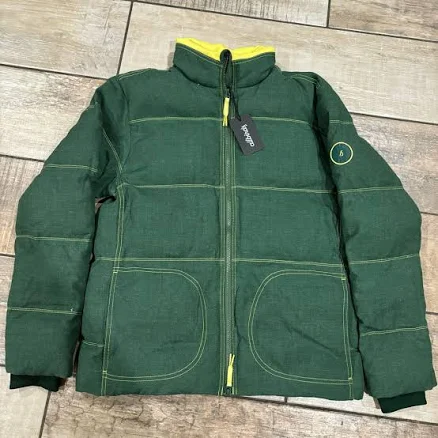
Jackets & Coats Allbirds Men's Trino Puffer Jacket Full Zip Wool Blend Forest Green Coat Size Sm
- wool blend (natural fiber dominant)
- We found no PFAS statement from the brand
- water-repellent coating (water-repellent coating) treatment - undisclosed chemistry
2 hazards checked on this product. See all of them.
Allbirds
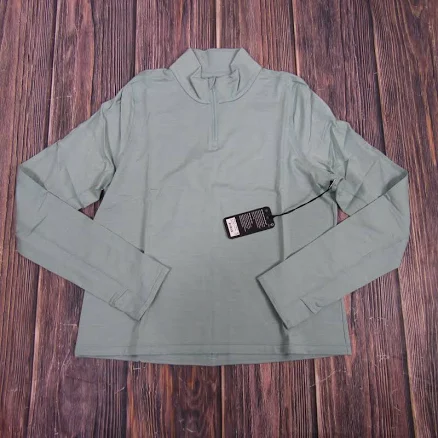
NWT Womens Medium Green Natural Run Mid Layer 1/4 Zip Jacket
- Merino wool blend (natural fiber)
- We found no PFAS statement from the brand
- Azo dyes and synthetic dye residue
3 hazards checked on this product. See all of them.
More ski & snowboard jackets grades
How we score, every product runs through the same public 0-100 rubric based on materials, coatings, brand disclosure, lab findings, and recalls. See the full methodology → Spotted a mistake? Report an error.