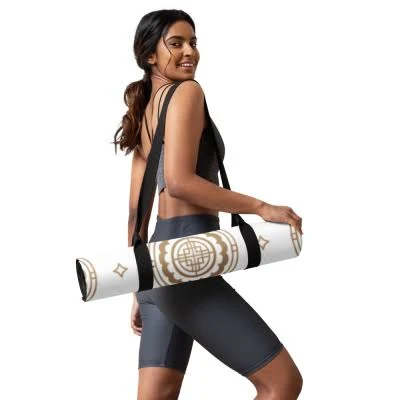
Yoga Mat
Lower concern. Yoga mats typically avoid PFAS, but verify material specs.
Yoga mats are generally made from natural rubber or TPE foam without water-resistant coatings, reducing PFAS risk. Confirm exact material composition on product tag before purchase.
We flunk more products than we pass. This one earned its grade. How we grade
Material
Natural rubber or TPE foam, no stated coating
Brand disclosure
Brand is silent on PFAS
Lab data
No public lab test
You may also be interested in
Top-graded picks in the categories readers replace first, every one scored on the same rubric.

- polypropylene filter housing, carbon/sediment cartridge
- We found no PFAS statement from the brand
- Bacterial growth in spent cartridges
3 hazards checked on this product, all on its full breakdown.

Aquasure
Premier Series 75 GPD Under Sink Reverse Osmosis Water Filtration System
- RO membrane, carbon filters, stainless steel housing
- We found no PFAS statement from the brand
- Bacterial and microbial growth in housing and filters
4 hazards checked on this product, all on its full breakdown.

Avocado
Vegan Mattress
- organic cotton, natural latex, coconut coir, recycled steel coils
- The brand calls it PFAS-free, which we have not verified
- Heavy metals
2 hazards checked on this product, all on its full breakdown.
What Yoga Mat is made of, ingredients and materials
Yoga mats are typically constructed from natural rubber or thermoplastic elastomer (TPE) foam without stated surface coatings. Natural rubber is a plant-derived polymer with minimal chemical processing compared to synthetic alternatives; TPE is a petroleum-based elastomer that offers durability without the phthalate plasticizers found in older PVC mats. Neither material class is linked to leaching toxic monomers or heavy metals under normal room-temperature use, presenting lower concern than vinyl-based competitors.
What’s concerning
Category baseline
The starting point for this type of product, before anything specific to this product is counted.
No PFAS disclosure
No public statement from the brand about PFAS in this product.
Volatile organic compound (VOC) off-gassing
Natural rubber and TPE can emit low levels of VOCs (primarily terpenes and residual solvents) during manufacturing and initial storage. This is typical for elastomer mats and diminishes rapidly with ventilation but may cause odor complaints in poorly ventilated spaces.
Polymer degradation and microparticle shedding
Natural rubber mats are prone to surface cracking and microparticle shedding over time, especially with UV exposure or high-temperature storage. Particles are elastomer fragments rather than microplastics but represent environmental and inhaled exposure risk if mats are not replaced timely.
Bacterial or mold growth if unmaintained
Yoga mats are frequently rolled damp and stored in bags, creating warm, moist conditions favoring microbial growth. Natural rubber is more susceptible to mold colonization than fully synthetic alternatives; regular drying and ventilation mitigate this.
What’s reassuring
Base material not linked to PFAS
The main material recorded for this product is not one associated with PFAS.
Formaldehyde / VOCs
No formaldehyde-based adhesives or flame retardant resins are typically used in yoga mat construction; this hazard is not established for rubber or TPE mats and is far more relevant to foam furniture backing or textiles.
Source, ATSDR ↗Heavy metals
Natural rubber and TPE do not require cadmium or lead stabilizers. The brand's price point and brand positioning suggest minimal use of exotic heavy-metal pigments, though specific testing data is not publicly disclosed.
Source, FDA ↗How is this PFAS grade calculated?
The brand's record and disclosure
The brand publishes material composition on product pages and has certified environmental claims under ISO 20023 for some textile lines, though yoga mat-specific third-party certifications are not widely advertised. The brand does not publicly disclose PFAS testing or prohibition statements for yoga mats, representing a gap in transparency rather than evidence of use. No major safety recalls or contamination incidents are on record for yoga mats in public databases.
How it compares in its category
Natural rubber and TPE mats occupy the lower-hazard end of the yoga mat spectrum, outperforming older PVC mats (which may contain phthalates and cadmium stabilizers) and synthetic rubber blends of uncertain composition. The brand's pricing model typically means less exotic additives than premium luxury brands, reducing chemical complexity. The trade-off is slightly shorter lifespan and greater sensitivity to sun degradation compared to heavily stabilized synthetics.
If you buy it
Store in a cool, dry place away from direct sunlight to prevent rubber degradation and off-gassing of volatile organic compounds. Do not wash in hot water or dishwasher; cool water and mild soap only. Replace if surface becomes sticky, cracked, or noticeably discolored, as these signal polymer breakdown. Air mats outdoors for 24-48 hours after purchase to allow any initial volatile emissions to dissipate before heavy use in enclosed spaces.
What is not known about PFAS in this product?
- Basis
- Model estimate, 72% confidence, not a lab result
- Lab test
- None on record for this exact product
- Brand statement
- has made none
Formulations change between production runs, so check the current label. How we grade.
What are the PFAS-free alternatives to Yoga Mat?
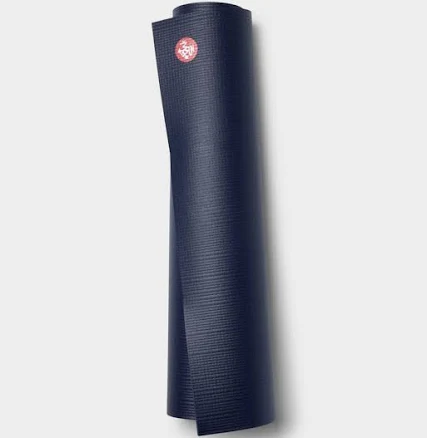
- closed-cell PVC-free foam, rubber top
- A third party reports verifying it as PFAS-free
- Formaldehyde / VOCs
3 hazards checked on this product, all on its full breakdown.
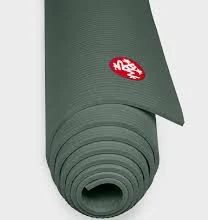
Manduka
Almost Perfect PROlite Yoga Mat
- Natural rubber and PVC, no Teflon-family coating
- A third party reports verifying it as PFAS-free
- Volatile organic compounds (VOCs) from natural rubber
More yoga & exercise mats grades
How we score, every product runs through the same public 0-100 rubric based on materials, coatings, brand disclosure, lab findings, and recalls. See the full methodology → Spotted a mistake? Report an error.