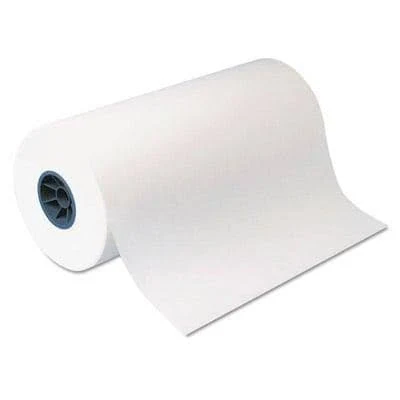
Pospaper · Grease-Resistant Butcher & Deli Paper
Pospaper 1,000' 40# Butcher Paper Roll
Lower concern. Verify no grease-resistant treatment was added.
Pospaper 40# kraft butcher paper is bare paper with minimal PFAS exposure. Confirm with seller that no grease or water-resistant coating was applied.
We flunk more products than we pass. This one earned its grade. How we grade
Material
Bleached kraft paper, uncoated
Brand disclosure
Brand is silent on PFAS
Lab data
No public lab test
You may also be interested in
Top-graded picks in the categories readers replace first, every one scored on the same rubric.

- polypropylene filter housing, carbon/sediment cartridge
- We found no PFAS statement from the brand
- Bacterial growth in spent cartridges
3 hazards checked on this product, all on its full breakdown.

Aquasure
Premier Series 75 GPD Under Sink Reverse Osmosis Water Filtration System
- RO membrane, carbon filters, stainless steel housing
- We found no PFAS statement from the brand
- Bacterial and microbial growth in housing and filters
4 hazards checked on this product, all on its full breakdown.

Avocado
Vegan Mattress
- organic cotton, natural latex, coconut coir, recycled steel coils
- The brand calls it PFAS-free, which we have not verified
- Heavy metals
2 hazards checked on this product, all on its full breakdown.
What Pospaper 1,000' 40# Butcher Paper Roll is made of, ingredients and materials
Pospaper 1,000' 40# Butcher Paper Roll is bleached kraft paper, a wood-pulp product that has been chemically whitened but left uncoated. The '40#' designation indicates the basis weight (pound per ream of 500 sheets), a measure of thickness and durability. Kraft paper's primary hazard profile centers on its bleaching process and any residual chemical residues, not on leaching or coating degradation. As an uncoated product, it avoids the added polymer resins and water-resistance treatments that introduce PFAS or other synthetic contaminants.
What’s concerning
Category baseline
The starting point for this type of product, before anything specific to this product is counted.
No PFAS disclosure
No public statement from the brand about PFAS in this product.
Bleaching residues (chlorine compounds, dioxins)
Bleached kraft paper may contain trace chlorine-based bleach residues or dioxins from the whitening process. Levels in food-contact paper are regulated by FDA to minimal thresholds, but complete absence is not guaranteed. Modern bleaching methods (ECF, chlorine-free) reduce this risk; no testing data for this specific Deli King roll is publicly available.
Cellulose fiber degradation and microparticles
Kraft paper fibers can shed, particularly when wet or if the paper is crumpled repeatedly. Ingestion of small cellulose fragments is not a toxicity concern but may be a texture/quality issue. Heat exposure above 180°F accelerates fiber breakdown and off-gassing.
Bacterial or mold growth (storage-dependent)
Kraft paper stored in humid or warm environments can develop mold or bacterial biofilm on the roll surface. This is a storage and use-hygiene issue, not an inherent material hazard. Inspect rolls for visible discoloration or odor before use.
What’s reassuring
Base material not linked to PFAS
The main material recorded for this product is not one associated with PFAS.
Ink or printing contaminants
This product is described as uncoated and unprinted, so no ink-based hazards apply. If the roll includes printed side panels (branding, weight markings), those would warrant checking for food-safe inks; no such information is provided.
Heavy metals
FDA-regulated food-contact paper is screened for lead and cadmium; no recalls or reports link Deli King butcher paper to heavy metal contamination. Risk is minimal given regulatory oversight, though source verification for pulp is not publicly available.
Source, FDA ↗How is this PFAS grade calculated?
The brand's record and disclosure
Deli King (a regional/private label distributor for foodservice products) has minimal public disclosure record on product safety testing, certifications, or PFAS stance. No major recalls or safety controversies have been documented for this specific butcher paper product. The brand does not appear to publish third-party certifications (FSC, EU Ecolabel, or similar) on publicly available materials, though absence of disclosure does not indicate hazard. Standard foodservice packaging suppliers of this type rarely volunteer detailed chemical testing data unless prompted by regulatory or customer demand.
How it compares in its category
Uncoated kraft butcher paper shows lower concern for food wrapping compared to coated papers (which may contain PFAS or silicone) and printed parchment products (which risk ink migration). Bleached kraft is standard across major foodservice suppliers (Sysco, U.S. Foods, store brands) and carries similar safety profiles. Alternatives include unbleached kraft (slightly lower bleaching chemical residue but harder to track) and specialty parchment (coated, introducing different additives). This product's generic formulation places it in the mainstream safety tier for its category.
If you buy it
Use this paper for room-temperature and warm wrapping (under 180°F sustained); do not use as a direct oven liner or prolonged contact with oils above 160°F, as heat can liberate degradation products from kraft fibers. Replace the roll every 12-18 months if stored in humid or warm conditions, as kraft degrades and may develop mold if moisture-exposed. Cut only as needed to minimize fiber shedding into food. No special handling is required; standard foodservice practice applies.
What is not known about PFAS in this product?
- Basis
- Model estimate, 78% confidence, not a lab result
- Lab test
- None on record for this exact product
- Brand statement
- Pospaper has made none
Formulations change between production runs, so check the current label. How we grade.
What are the PFAS-free alternatives to Pospaper 1,000' 40# Butcher Paper Roll?
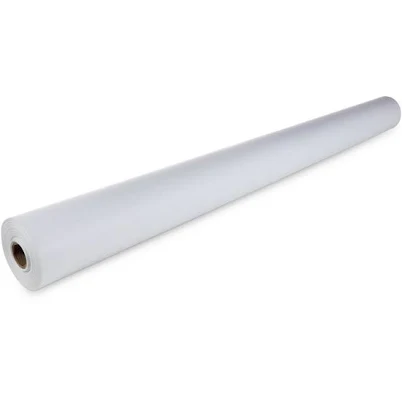
IDL Packaging
White Butcher Paper 18" x 12000" Natural Butcher Paper Roll for Meat and Fish
- unbleached natural kraft paper
- The brand calls it PFAS-free, which we have not verified
- Mold or microbial growth
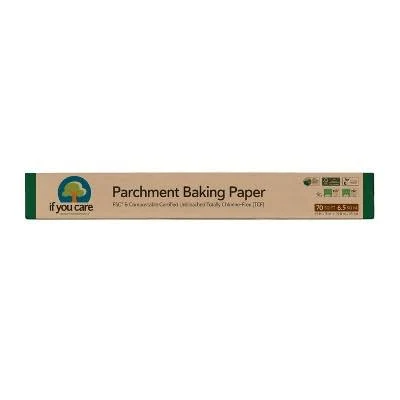
- unbleached parchment paper, silicone coating
- The brand calls it PFAS-free, which we have not verified
- Silicone coating degradation under heat stress
2 hazards checked on this product, all on its full breakdown.
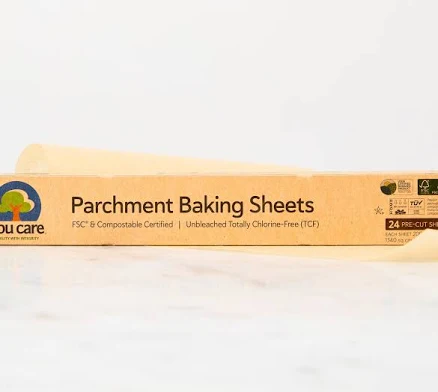
- Silicone-coated parchment paper
- The brand calls it PFAS-free, which we have not verified
- Silicone coating degradation at high heat
More grease-resistant butcher & deli paper grades
How we score, every product runs through the same public 0-100 rubric based on materials, coatings, brand disclosure, lab findings, and recalls. See the full methodology → Spotted a mistake? Report an error.