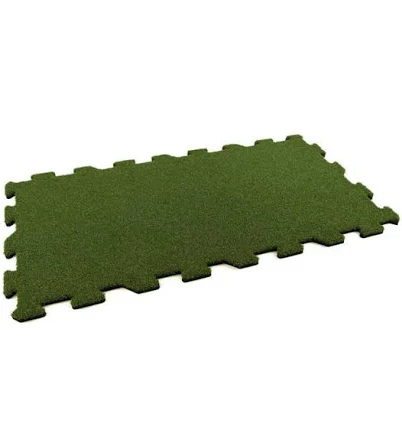
Extreme Turf Tiles 23" x 46"
Synthetic turf tiles; adhesive and infill composition unknown, risk unclear.
The brand provides no public disclosure on PFAS or material composition. Synthetic turf products often contain PFAS in backing, adhesives, or infill.
The better-graded swap
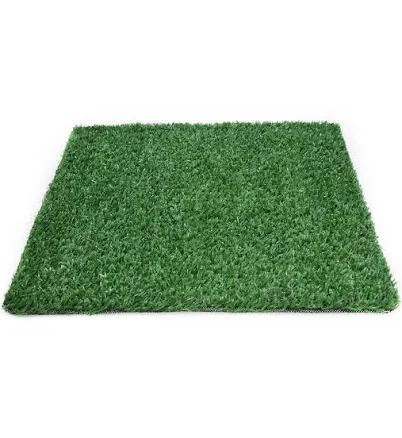
AstroTurf
SeeGreen 5 ft. W X 7 ft. L Green Polypropylene Astroturf
75/100 safety
Same rubric that flunked this product. The swap earned Excellent.
Still want this one anyway? Check the price on Amazon. We’d swap it.
Material
synthetic turf fiber, backing adhesive, infill composition unspecified
Brand disclosure
Brand is silent on PFAS
Lab data
No public lab test
You may also be interested in
Top-graded picks in the categories readers replace first, every one scored on the same rubric.

- polypropylene filter housing, carbon/sediment cartridge
- We found no PFAS statement from the brand
- Bacterial growth in spent cartridges
3 hazards checked on this product, all on its full breakdown.

Aquasure
Premier Series 75 GPD Under Sink Reverse Osmosis Water Filtration System
- RO membrane, carbon filters, stainless steel housing
- We found no PFAS statement from the brand
- Bacterial and microbial growth in housing and filters
4 hazards checked on this product, all on its full breakdown.

Avocado
Vegan Mattress
- organic cotton, natural latex, coconut coir, recycled steel coils
- The brand calls it PFAS-free, which we have not verified
- Heavy metals
2 hazards checked on this product, all on its full breakdown.
What Extreme Turf Tiles 23" x 46" is made of, ingredients and materials
Extreme Turf Tiles consist of synthetic turf fibers (typically polyethylene or polypropylene) bonded to a backing layer with adhesive, plus loose infill material that sits between fibers. The adhesive chemistry and infill type are not disclosed by the brand in public materials. Adhesives in synthetic turf can off-gas volatile organic compounds (VOCs) and may contain formaldehyde-based binders; infills range from recycled rubber (potential heavy metal concern) to sand or ethylene-vinyl acetate (EVA), each with different leaching and particle profiles.
What’s concerning
Category baseline
The starting point for this type of product, before anything specific to this product is counted.
No PFAS disclosure
No public statement from the brand about PFAS in this product.
Unknown / proprietary coating
A coating is recorded with no disclosed chemistry.
Formaldehyde / VOCs
Synthetic turf backing adhesives commonly contain polyurethane or acrylic compounds that off-gas for weeks after installation. Domo does not disclose adhesive chemistry or provide VOC testing data; formaldehyde-releasing resins are not ruled out.
Source, ATSDR ↗Infill contamination and leaching (if recycled rubber)
Infill composition is unspecified. If recycled rubber is used, heavy metals (zinc, lead, cadmium from tire manufacturing) may leach during rain or with wear; if sand or EVA, risk is substantially lower but not disclosed.
Backing material degradation and particle release
Over time and under UV or thermal stress, the backing adhesive and fiber anchor can degrade, releasing microfibers and adhesive breakdown products into soil or dust. Domo provides no guidance on replacement intervals or material durability.
Mold and bacterial growth in infill
Without documented infill type or antimicrobial treatment, synthetic turf can harbor mold and bacteria in the infill layer if drainage is poor or humidity is high. Risk is moderate indoors but higher in damp outdoor installations.
What’s reassuring
Flame retardants
No public disclosure of flame retardant additives in Extreme Turf Tiles. Most synthetic turf fibers do not require flame retardants for indoor use; if present, they are not advertised and remain unverified.
Source, EPA ↗How is this PFAS grade calculated?
The brand's record and disclosure
The brand maintains limited public transparency on material safety and does not advertise third-party certifications (such as GreenGuard or indoor air quality labels) for this product line. The company has not issued a public statement on PFAS use or avoidance in synthetic turf adhesives or backings. No major safety recalls or documented controversies specific to this brand appear in public databases, but the absence of disclosure itself is a yellow flag for cautious buyers.
How it compares in its category
Synthetic turf tiles occupy a middle ground between loose-fill outdoor turf and rigid carpet-backed systems. Many competing brands (notably FieldTurf and Mondo for sports) provide third-party certifications and VOC test reports; budget-oriented brands like Domo typically do not. Indoor synthetic turf products marketed for residential or play use may carry higher scrutiny for off-gassing than outdoor versions, which are less regulated. Compared to natural turf or plant-based flooring alternatives, synthetic tile carries more chemical risk but less mold and pesticide risk.
If you buy it
Ensure adequate ventilation during and for 48-72 hours after installation to allow off-gassing of adhesives and backing materials. Use only in cool, dry indoor or shaded outdoor spaces; heat and sunlight can degrade the backing adhesive and increase leaching of unknown components. Inspect infill material quarterly for clumping, mold, or odor changes; replace or rinse if compromised. Avoid heavy contact with food or small children's mouth play until off-gassing is complete; if used in a play area, choose products with disclosed infill (EVA or virgin sand preferred over recycled rubber).
What is not known about PFAS in this product?
- Basis
- Model estimate, 35% confidence, not a lab result
- Lab test
- None on record for this exact product
- Brand statement
- has made none
Formulations change between production runs, so check the current label. How we grade.
What are the PFAS-free alternatives to Extreme Turf Tiles 23" x 46"?
- Polypropylene (PP) astroturf
- We found no PFAS statement from the brand
- VOC off-gassing from polyurethane or latex adhesive
5 hazards checked on this product, all on its full breakdown.
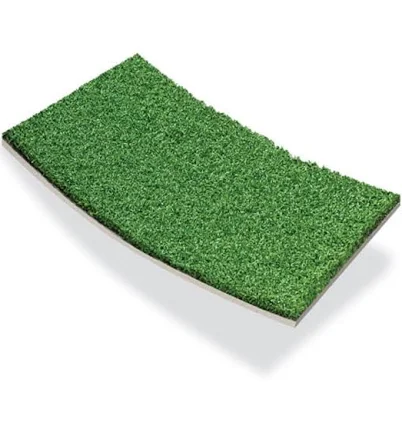
34 Oz Padded Gym Artificial Turf
- polyethylene turf fibers, polypropylene backing
- We found no PFAS statement from the brand
- VOC off-gassing from polyethylene and polypropylene
4 hazards checked on this product, all on its full breakdown.
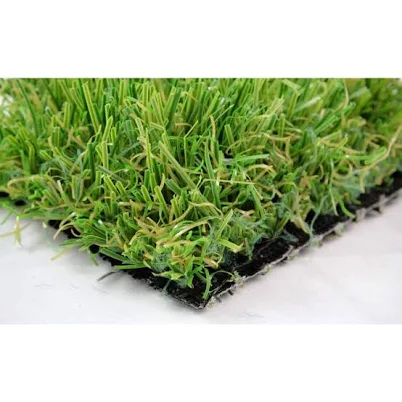
- polyethylene/polypropylene synthetic grass fibers with backing
- We found no PFAS statement from the brand
- Flame retardants
4 hazards checked on this product, all on its full breakdown.
Find an alternative on AmazonMore artificial turf grades
How we score, every product runs through the same public 0-100 rubric based on materials, coatings, brand disclosure, lab findings, and recalls. See the full methodology → Spotted a mistake? Report an error.