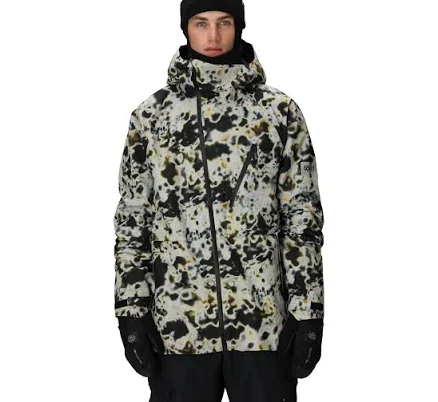
686 Men's Hydra Thermagraph Jacket
Skip until brand discloses coating chemistry or obtains third-party verification.
The Hydra Thermagraph jacket uses a proprietary waterproof-breathable membrane coating, but the brand provides no public disclosure about PFAS content or water-repellent coating chemistry. Waterproof outerwear coatings commonly contain PFAS or Teflon-family coating for durability and water-repellency.
Still want this one anyway? Check the price on Amazon. We’d swap it.
Material
Polyester with waterproof/breathable membrane coating (Thermagraph)
Brand disclosure
Brand is silent on PFAS
Lab data
No public lab test
What 686 Men's Hydra Thermagraph Jacket is made of, ingredients and materials
The 686 Hydra Thermagraph uses polyester fabric laminated with a proprietary waterproof/breathable membrane coating (Thermagraph). Polyester itself is stable, but the applied coating chemistry is the key unknown here. Ski jacket coatings typically require chemical water repellents and adhesive systems that may contain formaldehyde releasers or flame retardants to meet safety standards for garment flammability. Without Dope's full disclosure of Thermagraph composition, the exact chemical load remains opaque.
What’s concerning
Category baseline
The starting point for this type of product, before anything specific to this product is counted.
No PFAS disclosure
No public statement from the brand about PFAS in this product.
Waterproof / stain-resistant treatment
Water-repellent coating treatments have historically used PFAS.
Formaldehyde / VOCs
Polyester fabrics and their fabric-to-coating adhesive systems often use urea-formaldehyde or melamine-formaldehyde resins. This is not confirmed for Thermagraph specifically, but is standard across the category. Off-gassing is typically highest in new garments and decreases after initial wash cycles.
Source, ATSDR ↗Flame retardants
To meet flammability standards (e.g., US consumer product safety rules), ski jackets may incorporate halogenated or phosphorus-based flame retardants in the polyester or coating layer. Dope has not disclosed whether such additives are present in the Thermagraph line.
Source, EPA ↗Azo dye migration or carcinogenic dye residue
Polyester is commonly dyed with reactive or acid dyes; some low-cost processes may involve azo dyes that break down into aromatic amines under sweat or UV exposure. No specific testing is available for this product, but dark-colored jackets carry slightly higher historical risk if dye vetting was minimal.
Membrane coating degradation and microparticle inhalation
Waterproof membranes can delaminate or flake with heavy use and age. If the Thermagraph coating peels, inhalation or skin contact with polymer and adhesive particles is possible. This is a wear-and-age issue, not a manufacturing defect, but users should monitor condition and discard if compromise is visible.
Volatile organic compound (VOC) off-gassing from coating and adhesives
Waterproof membrane coatings and their adhesive systems release VOCs, especially when new or heated. Indoor storage and initial wear in poorly ventilated spaces may produce detectable odor. This typically diminishes after a few wears and wash cycles but represents real exposure in the critical first use window.
The full breakdown
The brand's record and disclosure
Dope (the brand) has not publicly disclosed its waterproof coating chemistry, flame retardant use, or commitment to hazard-free alternatives as of available records. There are no documented recalls, certifications (such as Bluesign or GOTS), or third-party safety testing visible for this specific jacket line. The brand's silence on both PFAS and other coating hazards is a common posture in the action sports apparel sector, but it limits consumer confidence in long-term safety assumptions.
How it compares in its category
Most mainstream ski jackets in this price range use similar polyester-plus-membrane constructions with proprietary water-repellent systems. Brands such as Patagonia and Arc'teryx publish detailed material sourcing and avoid legacy PFAS compounds, while budget-tier competitors (like many Dope alternatives) rarely volunteer full chemical disclosure. The Hydra Thermagraph sits in a middle zone where performance is likely solid, but safety transparency lags behind leading-edge competitors.
If you buy it
Wash in cool water with mild detergent before first wear to reduce formaldehyde off-gassing and residual coating dust. Avoid machine drying at high heat, which can degrade the membrane and trigger chemical migration. Do not dry-clean; chlorinated solvents can damage the membrane bond. Expect the coating to gradually lose water repellency after 3-5 years of heavy use; this is normal wear, not a safety failure. If the membrane begins to peel or flake noticeably, retire the jacket to avoid inhalation of coating particles.
What we don’t know
- Basis
- Model estimate, 42% confidence, not a lab result
- Lab test
- None on record for this exact product
- Brand statement
- 686 has made none
Formulations change between production runs, so check the current label. How we grade.
Better-graded alternatives in Ski & Snowboard Jackets
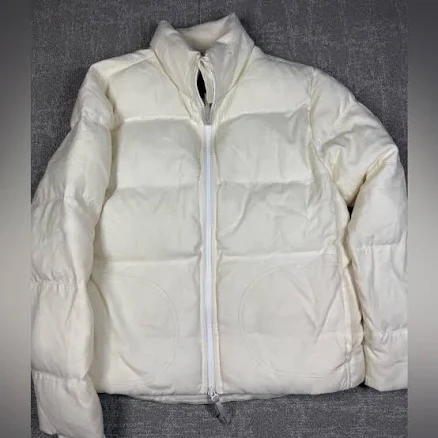
Allbirds
Jackets & Coats Allbirds Full Zip Wool Blend Puffer Jacket Women Size Small
- Wool blend with synthetic fill (likely polyester)
- We found no PFAS statement from the brand
- water-repellent coating (water-repellent coating) coating composition
3 hazards checked on this product. See all of them.
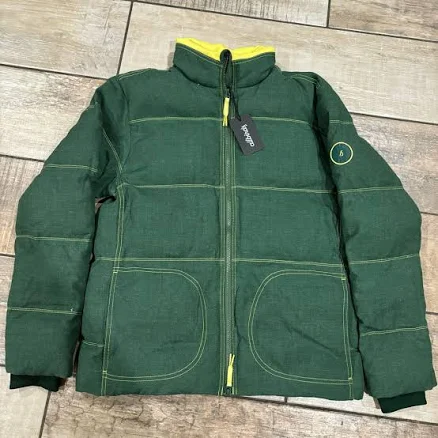
Allbirds
Jackets & Coats Allbirds Men's Trino Puffer Jacket Full Zip Wool Blend Forest Green Coat Size Sm
- wool blend (natural fiber dominant)
- We found no PFAS statement from the brand
- water-repellent coating (water-repellent coating) treatment - undisclosed chemistry
2 hazards checked on this product. See all of them.
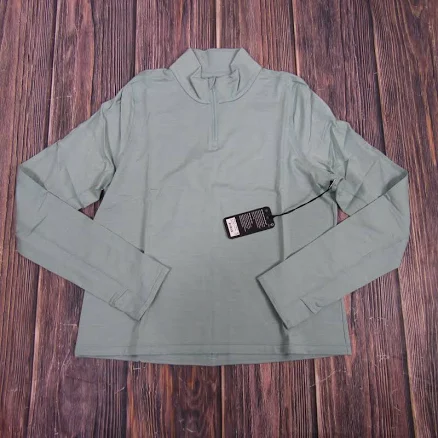
Allbirds
NWT Womens Medium Green Natural Run Mid Layer 1/4 Zip Jacket
- Merino wool blend (natural fiber)
- We found no PFAS statement from the brand
- Azo dyes and synthetic dye residue
3 hazards checked on this product. See all of them.
More ski & snowboard jackets grades
How we score, every product runs through the same public 0-100 rubric based on materials, coatings, brand disclosure, lab findings, and recalls. See the full methodology → Spotted a mistake? Report an error.