Dope · Ski & Snowboard Jackets
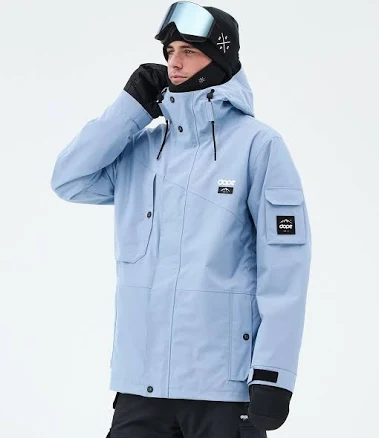
Dope Men's Adept Ski Jacket
Skip until brand discloses water-repellent coating chemistry. Waterproof jackets commonly use PFAS.
Dope does not publicly disclose the specific water-repellent coating treatment used on this ski jacket. Waterproof outerwear typically relies on fluorinated coatings for durability, and Dope makes no PFAS-free claim or third-party verification.
Still want this one anyway? Check the price on Amazon. We’d swap it.
Material
Polyester shell with water-repellent coating (water-repellent coating) coating
Brand disclosure
Brand is silent on PFAS
Lab data
No public lab test
What Dope Men's Adept Ski Jacket is made of, ingredients and materials
The Dope Adept uses a polyester shell, a synthetic fiber that is chemically stable and does not leach concerning additives under normal wear. The critical component is the water-repellent coating (water-repellent coating) coating applied to the outer surface. Most ski jacket water-repellent coating coatings historically used long-chain PFAS (PFAS "forever chemicals") to achieve water repellency; this coating degrades over time and with washing, potentially shedding PFAS into water systems. Dope has not publicly disclosed whether this jacket uses legacy fluorinated water-repellent coating or newer alternatives like wax-based or short-chain formulations.
What’s concerning
Category baseline
The starting point for this type of product, before anything specific to this product is counted.
No PFAS disclosure
No public statement from the brand about PFAS in this product.
Waterproof / stain-resistant treatment
Water-repellent coating treatments have historically used PFAS.
PFAS
Covered separately in PFAS grade (20/100). Polyester ski jackets almost universally use fluorinated water-repellent coating unless explicitly stated otherwise. Dope's silence on this is not reassurance.
Source, ATSDR ↗Heavy metals
Polyester is commonly dyed with synthetic azo dyes and colorfast pigments. Without third-party testing or restricted substance list from Dope, persistent heavy metals (lead, cadmium) in dark dyes cannot be ruled out, though risk is low for exterior exposure on skin contact.
Source, FDA ↗VOC off-gassing from adhesives and finishes
Polyester shell with water-repellent coating and any bonded lining may off-gas low levels of volatile organic compounds during the first weeks of use, particularly if stored in sealed packaging. This is typically mild and resolves with airing; health risk is minimal for outdoor-use apparel.
What’s reassuring
Formaldehyde / VOCs
Polyester itself does not require formaldehyde during synthesis or finishing. No reported formaldehyde issues in standard polyester ski wear. Risk is minimal unless resin treatments are applied, which Dope has not disclosed.
Source, ATSDR ↗Flame retardants
No flame retardant treatment is standard or required for ski jackets. No reports of flame retardants in this product or brand line.
Source, EPA ↗The full breakdown
The brand's record and disclosure
Dope is a smaller snowsports apparel brand with minimal public transparency on chemical sourcing or supplier practices. No certified third-party testing or environmental impact reports are readily available for this line. The brand has not issued statements on PFAS phase-out commitments or water-repellent coating chemistry, which is a red flag in a category where major competitors (The North Face, Arc'teryx, Patagonia) have begun transitioning away from fluorinated coatings. Silence on this issue suggests either use of conventional PFAS or lack of priority on disclosure.
How it compares in its category
Most ski jackets in this price and performance tier use similar polyester shells with water-repellent coating treatments. Brands like Burton and Salomon have started offering PFAS-free or reduced-PFAS lines; Dope's lack of public alternatives or commitment statements places it in the middle of the pack on this metric. A jacket with equivalent performance and a water-repellent coating with lower PFAS concern would be preferable, though harder to find at lower price points. The polyester base material itself is not a differentiator; the water-repellent coating chemistry is.
If you buy it
Wash the jacket only when necessary (after heavy use or visible soiling) to reduce water-repellent coating degradation and shedding. Use a front-load washing machine on cold, gentle cycle with minimal detergent, as hot water and surfactants accelerate water-repellent coating breakdown and PFAS release. Air-dry only; heat (dryer, direct sun) can damage the coating and is unnecessary. If water beading noticeably diminishes after 1-2 seasons, consider replacing rather than re-treating with additional water-repellent coating product, as reapplication compounds PFAS exposure.
What we don’t know
- Basis
- Model estimate, 35% confidence, not a lab result
- Lab test
- None on record for this exact product
- Brand statement
- Dope has made none
Formulations change between production runs, so check the current label. How we grade.
Better-graded alternatives in Ski & Snowboard Jackets
Allbirds
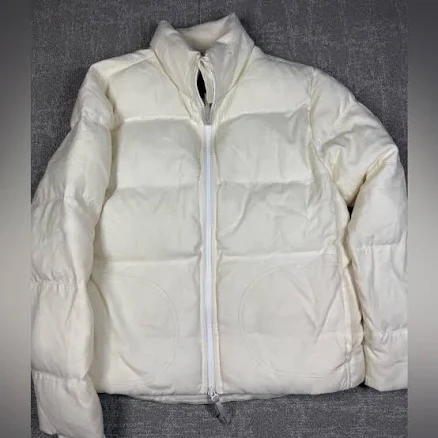
Jackets & Coats Allbirds Full Zip Wool Blend Puffer Jacket Women Size Small
- Wool blend with synthetic fill (likely polyester)
- We found no PFAS statement from the brand
- water-repellent coating (water-repellent coating) coating composition
3 hazards checked on this product. See all of them.
Allbirds
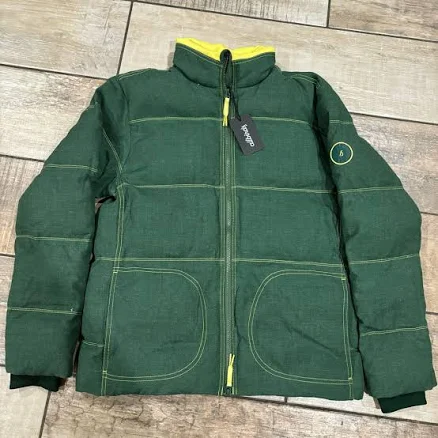
Jackets & Coats Allbirds Men's Trino Puffer Jacket Full Zip Wool Blend Forest Green Coat Size Sm
- wool blend (natural fiber dominant)
- We found no PFAS statement from the brand
- water-repellent coating (water-repellent coating) treatment - undisclosed chemistry
2 hazards checked on this product. See all of them.
Allbirds
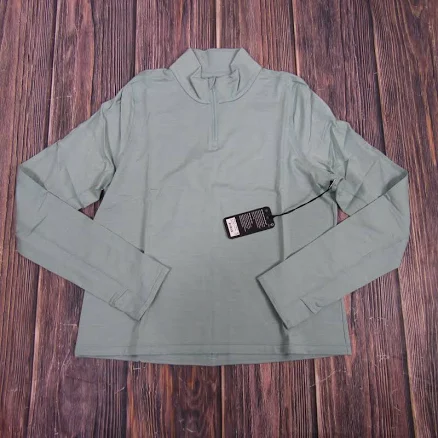
NWT Womens Medium Green Natural Run Mid Layer 1/4 Zip Jacket
- Merino wool blend (natural fiber)
- We found no PFAS statement from the brand
- Azo dyes and synthetic dye residue
3 hazards checked on this product. See all of them.
More ski & snowboard jackets grades
How we score, every product runs through the same public 0-100 rubric based on materials, coatings, brand disclosure, lab findings, and recalls. See the full methodology → Spotted a mistake? Report an error.