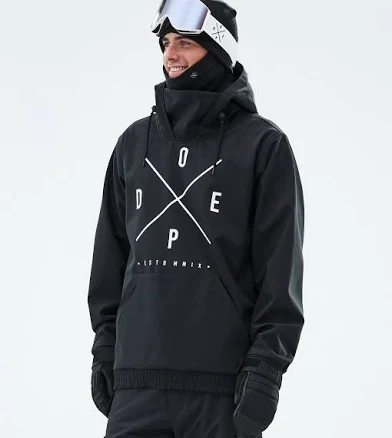
Dope · Ski & Snowboard Jackets
Dope Yeti Ski Jacket Men
Skip until brand discloses water-repellent coating chemistry or obtains verification.
Dope brand does not publicly disclose PFAS status or water-repellent coating treatment chemistry on this ski jacket. Waterproof apparel typically uses fluorinated or nonfluorinated water-repellent coating coatings, but the specific formulation is unknown.
Still want this one anyway? Check the price on Amazon. We’d swap it.
Material
Polyester shell with water-repellent coating (water-repellent coating) finish
Brand disclosure
Brand is silent on PFAS
Lab data
No public lab test
What Dope Yeti Ski Jacket Men is made of, ingredients and materials
This jacket uses a polyester shell paired with a water-repellent coating (water-repellent coating) finish. Polyester itself is a stable synthetic fiber, but the water-repellent coating is the chemical concern, most traditional water-repellent coating treatments in ski and outdoor apparel rely on long-chain PFAS compounds (perfluorocarbons) to bond water-repellent properties to fabric. These coatings do not wash off easily and can persist in the body and environment. Dope has not disclosed whether this jacket uses legacy PFAS, newer fluorine-free alternatives, or something in between.
What’s concerning
Waterproof / stain-resistant treatment
Water-repellent coating treatments have historically used PFAS.
Category baseline
The starting point for this type of product, before anything specific to this product is counted.
No PFAS disclosure
No public statement from the brand about PFAS in this product.
PFAS
Dope has made no disclosure of water-repellent coating chemistry. Given brand size and typical industry practice, long-chain PFAS remains the likely default. PFAS accumulates in blood and organs with repeated exposure and washing.
Source, ATSDR ↗Formaldehyde / VOCs
Polyester apparel may use formaldehyde-based resins in dyes, wrinkle resistance, or fabric stabilization. No formaldehyde standard or independent test result is on record for this product. Standard washing before wear reduces residual formaldehyde.
Source, ATSDR ↗Azo dyes in color application
The jacket's color is achieved via dyeing polyester fabric. Azo dyes, some of which break down into carcinogenic amines, are not banned in apparel manufacturing in many jurisdictions. Dope has not certified against restricted azo dye lists.
Antimony in polyester material
Polyester yarn often uses antimony trioxide as a catalyst during production. While not classified as acutely toxic at finished-product levels, skin contact with new garments can occasionally irritate sensitive skin. Washing before wear mitigates this.
Coating degradation and shedding
Water-repellent coating coatings on ski apparel degrade with washing and abrasion over 1-3 seasons. As coatings flake or wear, they shed microparticles into wash water and potentially into the wearer's skin contact zone. No data exists for this specific product, but this is a known lifecycle issue in the category.
The full breakdown
The brand's record and disclosure
Dope is a smaller action sports brand focused on ski and snowboard apparel. No public disclosures, certifications, or statements regarding water-repellent coating chemistry, PFAS content, or commitment to fluorine-free alternatives are on record. The brand has not pursued third-party verification (e.g., bluesign, OEKO-TEX Standard 100) that would signal chemical screening. This silence is notable in a category where major competitors increasingly either disclose water-repellent coating type or transition to safer chemistry.
How it compares in its category
Many mainstream ski jacket brands (Arc'teryx, Patagonia, The North Face) now offer fluorine-free water-repellent coating options or clearly label PFAS-based treatments, allowing consumers to choose. Smaller brands like Dope often default to cost-effective traditional coatings without disclosure. Budget and mid-tier ski apparel routinely uses PFAS water-repellent coating, making this product typical in that segment, but transparency and alternative availability elsewhere are now the category standard for risk-conscious buyers.
If you buy it
Wash separately in cold water and avoid high heat, as elevated temperatures can increase leaching of coating chemicals into rinse water and your skin. Do not dry-clean or tumble-dry; air-dry on a flat surface or low heat in a dryer. Replace the water-repellent coating (via commercial reproofing kits or services) only if you are certain the product used for retreatment is fluorine-free. Monitor for flaking or degradation of the coating; once it begins to fail, the benefit and risk calculus shifts.
What we don’t know
- Basis
- Model estimate, 45% confidence, not a lab result
- Lab test
- None on record for this exact product
- Brand statement
- Dope has made none
Formulations change between production runs, so check the current label. How we grade.
Better-graded alternatives in Ski & Snowboard Jackets
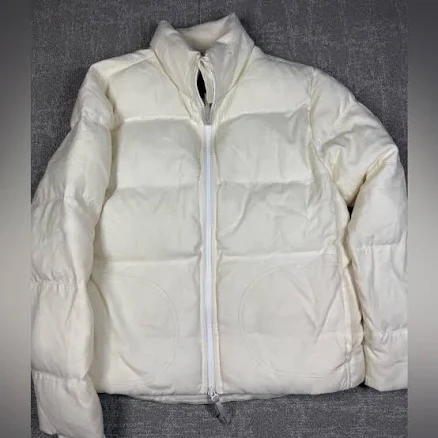
Allbirds
Jackets & Coats Allbirds Full Zip Wool Blend Puffer Jacket Women Size Small
- Wool blend with synthetic fill (likely polyester)
- We found no PFAS statement from the brand
- water-repellent coating (water-repellent coating) coating composition
3 hazards checked on this product. See all of them.
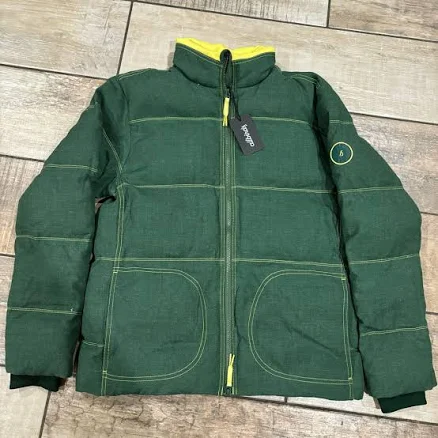
Allbirds
Jackets & Coats Allbirds Men's Trino Puffer Jacket Full Zip Wool Blend Forest Green Coat Size Sm
- wool blend (natural fiber dominant)
- We found no PFAS statement from the brand
- water-repellent coating (water-repellent coating) treatment - undisclosed chemistry
2 hazards checked on this product. See all of them.
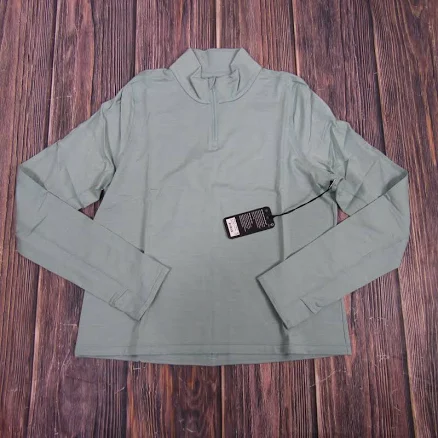
Allbirds
NWT Womens Medium Green Natural Run Mid Layer 1/4 Zip Jacket
- Merino wool blend (natural fiber)
- We found no PFAS statement from the brand
- Azo dyes and synthetic dye residue
3 hazards checked on this product. See all of them.
More ski & snowboard jackets grades
How we score, every product runs through the same public 0-100 rubric based on materials, coatings, brand disclosure, lab findings, and recalls. See the full methodology → Spotted a mistake? Report an error.