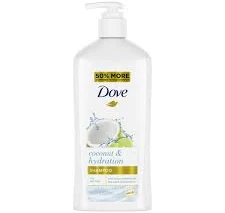
Dove Coconut & Hydration Shampoo
Lower concern; standard shampoo with no known PFAS risk factors.
This liquid rinse-off shows no waterproofing, grease-resistance, or coating treatment. The brand doesn't disclose PFAS content or make PFAS-free claims.
We flunk more products than we pass. This one earned its grade. How we grade
Material
aqueous shampoo base (surfactants, water, glycerin, coconut oil derivatives)
Lab data
No public lab test
You may also be interested in
Top-graded picks in the categories readers replace first, every one scored on the same rubric.

- polypropylene filter housing, carbon/sediment cartridge
- We found no PFAS statement from the brand
- Bacterial growth in spent cartridges
3 hazards checked on this product, all on its full breakdown.

Aquasure
Premier Series 75 GPD Under Sink Reverse Osmosis Water Filtration System
- RO membrane, carbon filters, stainless steel housing
- We found no PFAS statement from the brand
- Bacterial and microbial growth in housing and filters
4 hazards checked on this product, all on its full breakdown.

Avocado
Vegan Mattress
- organic cotton, natural latex, coconut coir, recycled steel coils
- The brand calls it PFAS-free, which we have not verified
- Heavy metals
2 hazards checked on this product, all on its full breakdown.
What Dove Coconut & Hydration Shampoo is made of, ingredients and materials
Dove Coconut & Hydration Shampoo is a water-based formulation built on mild anionic and amphoteric surfactants, glycerin humectant, and coconut oil derivatives. The aqueous medium and absence of volatile organic solvents mean exposure to inhalation hazards is minimal compared to aerosol or powder formats. Coconut oil derivatives in shampoos are typically fatty acid esters or glycerides that condition rather than penetrate or accumulate systemically.
What’s concerning
Category baseline
The starting point for this type of product, before anything specific to this product is counted.
No PFAS disclosure
No public statement from the brand about PFAS in this product.
1,4-Dioxane (processing contaminant)
Aqueous shampoos containing ethoxylated surfactants may harbor trace 1,4-dioxane as a byproduct of manufacture. Independent testing of Dove shampoos has not been published in open literature; presence is not declared on the label and is not regulated at trace levels in the U.S.
Fragrance allergens
This product contains fragrance listed as 'perfume' on the label. No ingredient breakdown of the fragrance mixture is disclosed; individuals with sensitized skin or fragrance allergies may react. Dove does not provide a hypoallergenic or fragrance-free claim for this specific variant.
Microbial growth if stored improperly
Like all aqueous shampoos, this formulation is susceptible to bacterial and fungal growth if exposed to moisture, warmth, or contamination during storage. Risk is mitigated by keeping the bottle sealed and stored in dry conditions.
What’s reassuring
Base material not linked to PFAS
The main material recorded for this product is not one associated with PFAS.
Formaldehyde / VOCs
No established formaldehyde-releasing preservatives (e.g., imidazolidinyl urea, dmdm hydantoin) have been reported in Dove Coconut & Hydration Shampoo formulations. Glycerin and water favor alternative preservation chemistry, though full preservative identity is not disclosed.
Source, ATSDR ↗Heavy metals
This shampoo contains no colorants or pigments; no documented reports of lead, cadmium, or arsenic contamination exist for this product.
Source, FDA ↗How is this PFAS grade calculated?
The brand's record and disclosure
Dove (Unilever subsidiary) does not publicly declare PFAS-free status but has faced no documented recalls or safety findings specific to this formulation. The brand maintains ingredient listings on packaging and online, though transparency on processing contaminants (e.g., 1,4-dioxane) is not routinely disclosed. No independent or regulatory testing has flagged this shampoo for undisclosed heavy metals or allergens in established databases.
How it compares in its category
Mainstream shampoos in this price and distribution tier typically use the same mild surfactant chemistry; Dove's inclusion of glycerin and coconut derivatives is standard for hydration-marketed variants. This product does not claim to be hypoallergenic, sulfate-free, or dermatologist-formulated more than typical competitors. No known performance or safety advantage or disadvantage versus other widely available aqueous shampoos of comparable formulation.
If you buy it
Store in a cool, dry place away from direct sunlight to slow oxidative breakdown of coconut oil components. Use as directed on the label; no special precautions apply to scalp or eye contact beyond standard rinsing. Discard if the product separates, develops an off odor, or changes color, which may indicate microbial growth or ingredient degradation. No heat exposure or special handling is required for storage or use.
What is not known about PFAS in this product?
- Basis
- Model estimate, 78% confidence, not a lab result
- Lab test
- None on record for this exact product
- Brand statement
- Dove has made a specific claim
Formulations change between production runs, so check the current label. How we grade.
More shampoo grades
How we score, every product runs through the same public 0-100 rubric based on materials, coatings, brand disclosure, lab findings, and recalls. See the full methodology → Spotted a mistake? Report an error.