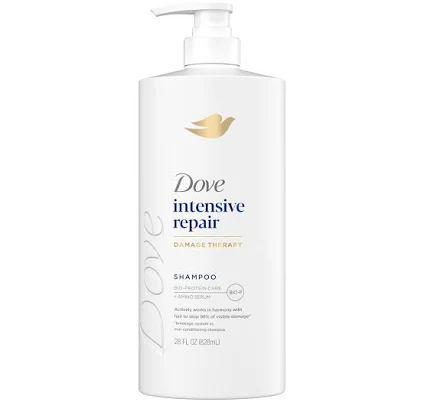
Dove Intensive Repair Shampoo
Lower concern; liquid shampoo has minimal PFAS risk, but Dove makes no public disclosure.
This water-based liquid has no known connection to intentional PFAS use through nonstick coatings, water-repellency, or grease resistance. The brand doesn't disclose PFAS testing or make PFAS-free claims.
We flunk more products than we pass. This one earned its grade. How we grade
Material
aqueous shampoo base with silicones and polymers
Lab data
No public lab test
You may also be interested in
Top-graded picks in the categories readers replace first, every one scored on the same rubric.

- polypropylene filter housing, carbon/sediment cartridge
- We found no PFAS statement from the brand
- Bacterial growth in spent cartridges
3 hazards checked on this product, all on its full breakdown.

Aquasure
Premier Series 75 GPD Under Sink Reverse Osmosis Water Filtration System
- RO membrane, carbon filters, stainless steel housing
- We found no PFAS statement from the brand
- Bacterial and microbial growth in housing and filters
4 hazards checked on this product, all on its full breakdown.

Avocado
Vegan Mattress
- organic cotton, natural latex, coconut coir, recycled steel coils
- The brand calls it PFAS-free, which we have not verified
- Heavy metals
2 hazards checked on this product, all on its full breakdown.
What Dove Intensive Repair Shampoo is made of, ingredients and materials
Dove Intensive Repair Shampoo is an aqueous surfactant-based cleanser containing silicones (likely dimethicone) and synthetic polymers for conditioning and repair claims. Silicones in rinse-off products like shampoo do not accumulate in skin or pose systemic toxicity under normal use, as they wash away. Aqueous formulations present no volatile organic compound (VOC) off-gassing risk typical of aerosol or oil-based products. The formula contains no known banned or high-concern preservatives in public databases.
What’s concerning
Category baseline
The starting point for this type of product, before anything specific to this product is counted.
No PFAS disclosure
No public statement from the brand about PFAS in this product.
Fragrance allergens
Dove Intensive Repair Shampoo lists 'fragrance' as an ingredient but does not disclose specific compounds. Undisclosed fragrance blends may contain common allergens such as limonene or linalool; individuals with sensitive scalp or fragrance sensitivity should patch-test or choose fragrance-free alternatives.
Scalp sensitization from polymer buildup
Intensive Repair variants often contain silicones and film-forming polymers that accumulate on the scalp with repeated use. Some users report irritation or flaking after prolonged use; this is not a toxicological hazard but a skin tolerance issue managed by periodic clarifying shampoo use.
What’s reassuring
Base material not linked to PFAS
The main material recorded for this product is not one associated with PFAS.
1,4-dioxane contamination
No public testing or recalls document 1,4-dioxane in this shampoo. The ingredient list does not include ethoxylated compounds typically associated with 1,4-dioxane formation, but trace contamination during manufacturing is theoretically possible in any mass-market surfactant product and remains unmeasured for this specific formula.
Heavy metals
No independent laboratory testing or regulatory action has identified lead, cadmium, or antimony in Dove Intensive Repair Shampoo. Unilever is subject to cosmetic ingredient limits but does not publish heavy-metal test results, so contamination risk cannot be ruled out definitively.
Source, FDA ↗Formaldehyde / VOCs
The published ingredient list for this product does not include known formaldehyde donors such as DMDM hydantoin or imidazolidinyl urea. Modern Dove formulations typically use gentler preservatives, but full preservative chemistry is not disclosed.
Source, ATSDR ↗How is this PFAS grade calculated?
The brand's record and disclosure
Dove (Unilever subsidiary) does not publish detailed ingredient safety statements or third-party toxicology certifications for this product. The brand has no documented recalls or safety controversies specific to Intensive Repair Shampoo in public records. Unilever complies with EU and US cosmetic regulations but does not voluntarily disclose fragrance composition or heavy metal testing results, which is standard industry practice but limits independent verification. No substantiated allegations of formaldehyde releasers or talc contamination exist for this shampoo line.
How it compares in its category
Dove Intensive Repair is a mainstream mass-market shampoo positioned in the mid-range safety tier; it matches competitor formulas from brands like Pantene and Garnier in ingredient profile and regulatory compliance. No independent testing distinguishes it as having lower or higher concern than comparable conditioner-inclusive shampoos. Products with explicit third-party certifications (e.g., EWG Verified, Leaping Bunny) or transparent heavy-metal testing may offer higher confidence, but no such claim applies here. This product represents the average safety baseline for drugstore shampoos in North America and Europe.
If you buy it
Use as directed on damp hair, lather, rinse thoroughly, and avoid contact with eyes. No special storage precautions are required beyond keeping the bottle sealed and cool; aqueous shampoos do not degrade rapidly at room temperature. Discontinue use if scalp irritation or unusual allergic reaction occurs; fragrance and preservative sensitivities are possible but uncommon. Replace when empty or if separation or odor changes suggest microbial growth, typically within 12-24 months of opening.
What is not known about PFAS in this product?
- Basis
- Model estimate, 72% confidence, not a lab result
- Lab test
- None on record for this exact product
- Brand statement
- Dove has made a specific claim
Formulations change between production runs, so check the current label. How we grade.
More shampoo grades
How we score, every product runs through the same public 0-100 rubric based on materials, coatings, brand disclosure, lab findings, and recalls. See the full methodology → Spotted a mistake? Report an error.