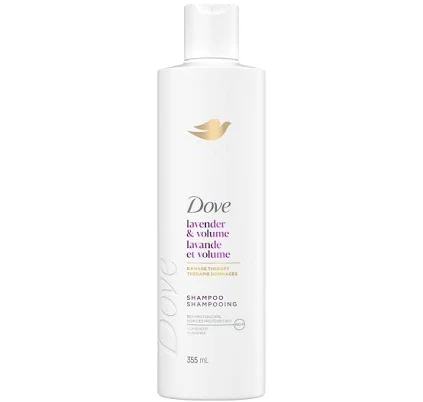
Dove Ritual Shampoo
Lower concern for PFAS; standard liquid shampoo with no known high-risk processing.
This liquid cleansing product shows no public evidence of PFAS-containing ingredients, coatings, or water-repellent treatments. The brand doesn't disclose PFAS status.
We flunk more products than we pass. This one earned its grade. How we grade
Material
aqueous shampoo base with conditioning agents
Lab data
No public lab test
You may also be interested in
Top-graded picks in the categories readers replace first, every one scored on the same rubric.

- polypropylene filter housing, carbon/sediment cartridge
- We found no PFAS statement from the brand
- Bacterial growth in spent cartridges
3 hazards checked on this product, all on its full breakdown.

Aquasure
Premier Series 75 GPD Under Sink Reverse Osmosis Water Filtration System
- RO membrane, carbon filters, stainless steel housing
- We found no PFAS statement from the brand
- Bacterial and microbial growth in housing and filters
4 hazards checked on this product, all on its full breakdown.

Avocado
Vegan Mattress
- organic cotton, natural latex, coconut coir, recycled steel coils
- The brand calls it PFAS-free, which we have not verified
- Heavy metals
2 hazards checked on this product, all on its full breakdown.
What Dove Ritual Shampoo is made of, ingredients and materials
Dove Ritual Shampoo is an aqueous liquid formulation combining water, surfactants (cleansing agents), and conditioning polymers typical of mainstream shampoos. The aqueous base means no volatile organic compounds (VOCs) are released during use, and the conditioning agents are standard emollients rather than hazardous additives. This material class carries minimal chemical risk because liquid shampoos lack the heat-activation or coating-degradation concerns of products like cookware or textiles.
What’s concerning
Category baseline
The starting point for this type of product, before anything specific to this product is counted.
No PFAS disclosure
No public statement from the brand about PFAS in this product.
1,4-dioxane (synthetic contaminant)
Aqueous shampoos may contain trace 1,4-dioxane as a byproduct of ethylene oxide sterilization of surfactants. Dove does not publicly disclose 1,4-dioxane testing for Ritual Shampoo; no regulatory limit exists in the US for personal-care products, though California has proposed drinking-water standards. Exposure via topical shampoo use is considered low-risk compared to ingestion.
Fragrance allergens and undisclosed components
Dove Ritual Shampoo contains fragrance, which can trigger contact dermatitis or scalp sensitivity in susceptible individuals. Fragrance ingredients are not required to be fully itemized on labels under current US law, so specific allergens (e.g., limonene, linalool) are not disclosed. This is a category-wide concern, not unique to Dove, but affects a minority of users.
What’s reassuring
Base material not linked to PFAS
The main material recorded for this product is not one associated with PFAS.
Heavy metals
No heavy metals (lead, cadmium, arsenic) have been documented in Dove Ritual Shampoo formulations. Shampoos typically do not use mineral pigments or ceramic glazes that concentrate metals; this hazard class is more relevant to makeup, cookware, or ceramics. Independent testing of this product for heavy metals is not publicly available.
Source, FDA ↗Formaldehyde / VOCs
Dove Ritual Shampoo does not list formaldehyde-releasing preservatives (e.g., DMDM hydantoin, diazolidinyl urea) in disclosed ingredient lists. The product likely uses safer alternatives (e.g., phenoxyethanol or plant-derived preservatives), though Dove does not explicitly confirm this. No safety alerts or preservative-related recalls are on record.
Source, ATSDR ↗Microplastic beads or synthetic polymers
Dove Ritual Shampoo is not marketed as an exfoliating or scrub product and does not appear to contain microbeads. Aqueous conditioning polymers in the formula are soluble and do not shed microplastics. This hazard is not relevant to standard liquid shampoos.
How is this PFAS grade calculated?
The brand's record and disclosure
Dove (owned by Unilever) has not publicly disclosed PFAS testing or PFAS-free certification for this product, though the aqueous formulation itself does not require PFAS-based processing. The brand has a mixed transparency record, Unilever publishes some ingredient lists and has committed to phasing out certain harmful chemicals, but does not regularly disclose heavy metals or 1,4-dioxane testing data. No recalls or safety controversies specific to Dove Ritual Shampoo are on record.
How it compares in its category
Dove Ritual Shampoo sits in the middle-to-mainstream segment, lower concern than unregulated or imported shampoos with undisclosed fragrance allergens, but less thoroughly third-party tested than brands certified by environmental or toxicological organizations. Comparable products (e.g., Pantene, Suave) share similar risk profiles and lack detailed PFAS disclosure. Premium or specialized brands (e.g., Acure, Andalou Naturals) may offer more transparent ingredient sourcing but carry no proven safety advantage for this product class.
If you buy it
Use as directed; no special precautions needed for aqueous shampoos. Store in a cool, dry place away from direct sunlight to preserve conditioning agents. No replacement schedule is necessary unless you experience scalp irritation or allergic reaction (discontinue and consult a dermatologist if this occurs). Rinse thoroughly after use to minimize residue buildup on hair and scalp.
What is not known about PFAS in this product?
- Basis
- Model estimate, 72% confidence, not a lab result
- Lab test
- None on record for this exact product
- Brand statement
- Dove has made a specific claim
Formulations change between production runs, so check the current label. How we grade.
More shampoo grades
How we score, every product runs through the same public 0-100 rubric based on materials, coatings, brand disclosure, lab findings, and recalls. See the full methodology → Spotted a mistake? Report an error.