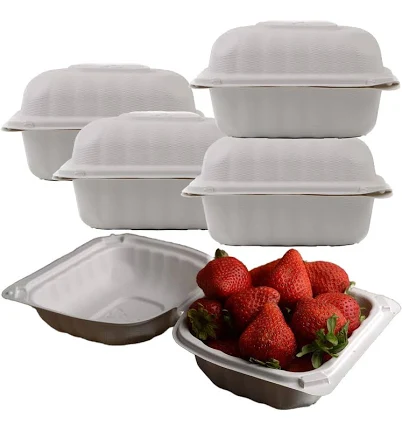
Eco Friendly Clamshell Take Out Food Container Mineral Clamshell 9x9x3 / 100
Mineral-based clamshell with no coating on record shows lower concern.
This product is a mineral-based clamshell with no water-repellent finish on record. Mineral material is not linked to PFAS. The brand has no PFAS statement on record for this item.
We flunk more products than we pass. This one earned its grade. How we grade
Material
Mineral-based clamshell, uncoated
Brand disclosure
Brand is silent on PFAS
Lab data
No public lab test
You may also be interested in
Top-graded picks in the categories readers replace first, every one scored on the same rubric.

Aqua Pure
3M Aqua-Pure AP802B Whole House Filter Housing
- polypropylene filter housing, carbon/sediment cartridge
- We found no PFAS statement from the brand
- Bacterial growth in spent cartridges
3 hazards checked on this product. See all of them.

Aquasure
Premier Series 75 GPD Under Sink Reverse Osmosis Water Filtration System
- RO membrane, carbon filters, stainless steel housing
- We found no PFAS statement from the brand
- Bacterial and microbial growth in housing and filters
4 hazards checked on this product. See all of them.

Avocado
Vegan Mattress
- organic cotton, natural latex, coconut coir, recycled steel coils
- The brand calls it PFAS-free, which we have not verified
- Heavy metals
2 hazards checked on this product. See all of them.
What Eco Friendly Clamshell Take Out Food is made of, ingredients and materials
Mineral-based clamshells are made from crushed limestone, chalk, or other mineral fillers blended with a small amount of resin binder, then molded and formed. Unlike polystyrene (foam) or PET plastic takeout containers, the mineral base does not leach BPA, BPS, or phthalates under normal conditions. The uncoated surface means no fluorinated coatings or surface treatments that might introduce additional chemical exposure, making this a simpler formulation than many alternatives.
What’s concerning
Category baseline
The starting point for this type of product, before anything specific to this product is counted.
No PFAS disclosure
No public statement from the brand about PFAS in this product.
Resin binder leaching under heat stress
Mineral clamshells contain a polymeric binder (often epoxy or polyester resin) that holds mineral particles together. While showing lower concern at room temperature, exposure to sustained heat above 160F or prolonged contact with hot foods could theoretically cause minor monomer or oligomer migration, though no recalls or reports for this product are on record.
Inadequate FDA food-contact certification clarity
The brand does not transparently disclose whether this product meets FDA food-contact substance (FCS) requirements or has undergone compliance testing. Mineral clamshells as a category are generally considered acceptable for direct food contact under FDA guidelines, but lack of manufacturer documentation makes independent verification difficult.
What’s reassuring
Base material not linked to PFAS
The main material recorded for this product is not one associated with PFAS.
Microplastic or mineral particle release from wear
Degradation of the mineral matrix over time could theoretically shed fine particles if the clamshell is scratched, crushed, or aged; however, no documented incidents of particulate contamination from this brand or mineral clamshells in general exist in public safety databases.
Heavy metals
Mineral fillers (limestone, chalk, talc) can occasionally contain trace lead or cadmium if sourced from contaminated quarries. No specific testing or regulatory concerns have been raised for mineral clamshells, and the uncoated, unglazed nature means no intentional pigment or dye additives introduce this risk.
Source, FDA ↗Biodegradability claims vs. actual compostability
While marketed as eco-friendly, mineral clamshells are not reliably accepted in industrial compost or municipal facilities in most regions; they may persist in landfills for years. This is a marketing transparency issue rather than a chemical safety hazard, but relevant to informed purchasing.
The full breakdown
The brand's record and disclosure
The brand has no widely documented safety controversies or major recalls tied to this product line. However, the brand does not publicly disclose detailed ingredient lists, manufacturing certifications (FDA, BPA-free status), or third-party testing results for their mineral clamshells. No formal environmental or chemical safety certifications (e.g., Cradle to Cradle, Green Seal) appear on record for this specific product, leaving verification reliant on material class reputation rather than brand transparency.
How it compares in its category
Mineral clamshells occupy a middle ground between foam (potential styrene leaching) and PET plastic (BPA risk if recycled or heated). They are increasingly marketed as a lower concern takeout option and avoid the chemical complexity of conventional plastics. Compared to compostable clamshells (which may contain PLA or coatings with their own unknowns), mineral versions have a longer established safety track record, though recyclability is limited in most U.S. curbside programs.
If you buy it
Keep these containers away from high heat; mineral clamshells are designed for cold or room-temperature foods and should not be microwaved or exposed to temperatures above 160F, as resin binders may degrade. Do not reuse for non-food purposes or for extended storage of acidic foods (vinegar, citrus) or fatty/oily items, which can cause minor surface erosion over time. Replace any cracked or worn containers immediately, as structural failure can affect seal integrity. Store in a cool, dry place away from direct sunlight to slow any polymer aging.
What we don’t know
- Basis
- Model estimate, 72% confidence, not a lab result
- Lab test
- None on record for this exact product
- Brand statement
- has made none
Formulations change between production runs, so check the current label. How we grade.
Better-graded alternatives in Disposable Food Containers
Eco-Products
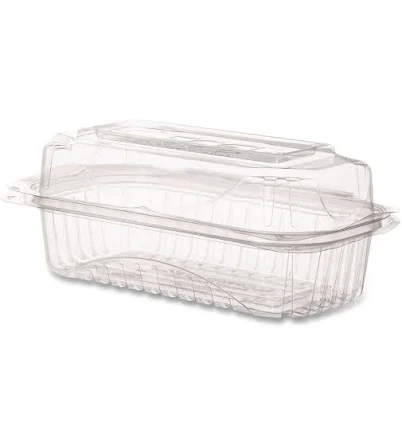
Compostable Clear Clamshell Hinged Food
- Compostable resin (PLA/PBAT blend, plant-based)
- A third party reports verifying it as PFAS-free
- Thermal degradation and chemical release at use temperatures
More disposable food containers grades
How we score, every product runs through the same public 0-100 rubric based on materials, coatings, brand disclosure, lab findings, and recalls. See the full methodology → Spotted a mistake? Report an error.