25+ Duralex Glassware & Drinkware for sale, Is It Non-Toxic?
Skip risk assessment, buy with low concern for PFAS.
Duralex glassware is borosilicate glass with no applied coatings or treatments. Glass has lower concern for PFAS contamination.
We flunk more products than we pass. This one earned its grade. How we grade
Material
borosilicate glass, uncoated
Brand disclosure
Brand is silent on PFAS
Lab data
No public lab test
You may also be interested in
Top-graded picks in the categories readers replace first, every one scored on the same rubric.

- polypropylene filter housing, carbon/sediment cartridge
- We found no PFAS statement from the brand
- Bacterial growth in spent cartridges
3 hazards checked on this product, all on its full breakdown.

Aquasure
Premier Series 75 GPD Under Sink Reverse Osmosis Water Filtration System
- RO membrane, carbon filters, stainless steel housing
- We found no PFAS statement from the brand
- Bacterial and microbial growth in housing and filters
4 hazards checked on this product, all on its full breakdown.

Avocado
Vegan Mattress
- organic cotton, natural latex, coconut coir, recycled steel coils
- The brand calls it PFAS-free, which we have not verified
- Heavy metals
2 hazards checked on this product, all on its full breakdown.
Is 25+ Duralex Glassware & Drinkware for sale non-toxic? What it is made of
Duralex glassware is borosilicate glass, a silica-based composition with added boron oxide that increases thermal shock resistance and durability compared to soda-lime glass. Borosilicate is chemically inert, meaning it does not leach ions, metals, or organic compounds into food or beverages under normal use, including when heated or exposed to acidic foods. The product is uncoated, so there are no glazes, enamels, or surface treatments to degrade, flake, or release contaminants over time.
What’s concerning
Category baseline
The starting point for this type of product, before anything specific to this product is counted.
No PFAS disclosure
No public statement from the brand about PFAS in this product.
Thermal fracture and sharp edges
Rapid temperature swings can cause borosilicate glass to crack or shatter, creating sharp fragments and edges. This is a physical safety risk, not a chemical hazard; it is managed by gentle handling and avoiding extreme thermal stress.
What’s reassuring
Bare uncoated material
Recorded as a bare, uncoated material with no surface coating or treatment.
Lead
Borosilicate glass does not require lead or cadmium as manufacturing additives. No lead or heavy-metal contamination has been reported in Duralex glassware.
Source, ATSDR ↗Coating degradation and flaking
This product is uncoated borosilicate glass; there is no surface treatment to degrade, discolor, or flake into food over time.
Leaching of inorganic ions or glass components
Borosilicate glass is chemically inert under normal food-contact conditions. Leaching of silica or boron into beverages or acidic foods at household use temperatures is not a recognized hazard for borosilicate glassware.
Aluminum leaching
Duralex glassware is glass only; aluminum is not a component of borosilicate formulations or this product.
How is this PFAS grade calculated?
The brand's record and disclosure
Duralex is a long-established French glassware manufacturer with a history in the market since 1945, primarily known for durability and straightforward borosilicate production. The brand does not publish detailed sustainability or chemical-safety statements typical of modern consumer-goods companies, maintaining a largely silent stance on PFAS and other emerging chemical concerns. No product recalls for chemical contamination, leaching, or coating failure have been established in public records for Duralex glassware.
How it compares in its category
Borosilicate glass cookware and drinkware ranks among the lowest-risk options in the cookware category, alongside uncoated stainless steel and cast iron. Unlike ceramic-glazed cookware, which may contain lead or cadmium in glazes, or coated nonstick cookware, which poses Teflon-type coating fume risk and coating degradation concerns, borosilicate glass has no surface coatings to fail or chemical additives to leach. It avoids aluminum leaching and lead-in-enamel hazards common to other common cookware materials.
If you buy it
Borosilicate glassware tolerates thermal shock better than soda-lime glass, but avoid sudden temperature extremes (e.g., placing hot glassware directly in cold water), which can cause cracking. Hand-washing is recommended over dishwashers for longevity, though glassware itself will not chemically degrade in either setting. Replace glassware if the rim chips or fractures, as sharp edges pose injury risk; small chips do not chemically compromise the product. Borosilicate glass is oven-safe to typical temperatures (up to 500F for most products) and microwave-safe.
What is not known about PFAS in this product?
- Basis
- Model estimate, 92% confidence, not a lab result
- Lab test
- None on record for this exact product
- Brand statement
- Duralex has made none
Formulations change between production runs, so check the current label. How we grade.
What are the PFAS-free alternatives to 25+ Duralex Glassware & Drinkware for sale?
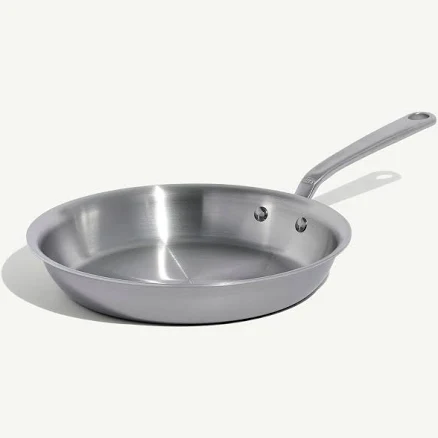
- Stainless steel clad construction, no nonstick coating
- The brand calls it PFAS-free, which we have not verified
- Clad separation or delamination over time
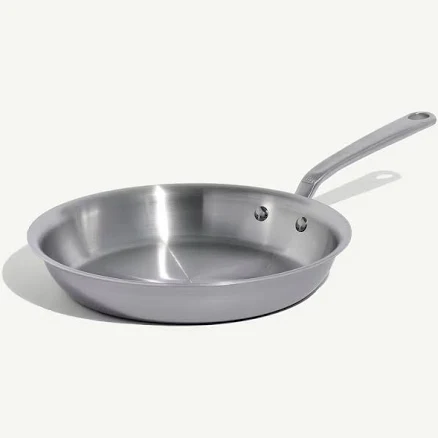
- stainless steel clad construction, no nonstick coating
- The brand calls it PFAS-free, which we have not verified
- Nickel leaching from stainless steel
3 hazards checked on this product, all on its full breakdown.
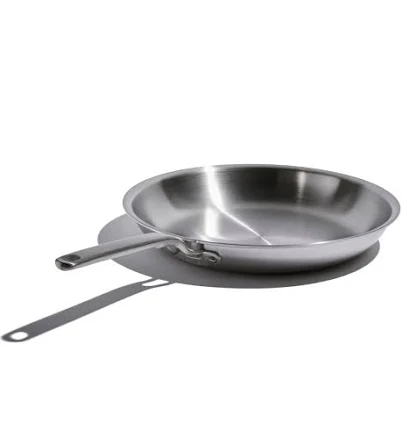
- Clad stainless steel, no coating
- The brand calls it PFAS-free, which we have not verified
- Metal ion release during cooking (iron, nickel, chromium)
More cookware grades
How we score, every product runs through the same public 0-100 rubric based on materials, coatings, brand disclosure, lab findings, and recalls. See the full methodology → Spotted a mistake? Report an error.