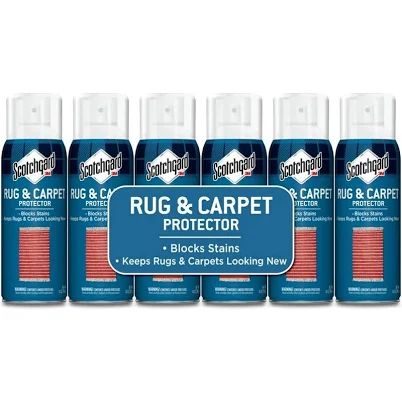
Rug And Carpet Protector Spray Prevents Stains During Spring Summer
Avoid until ingredients disclosed, stain-resist sprays often contain PFAS.
The brand does not disclose spray composition or PFAS status for this product. Carpet protector sprays typically contain fluorochemical coatings linked to PFAS throughout the category.
Still want this one anyway? Check the price on Amazon. We’d swap it.
Material
Unknown protective coating on carpet/rug fibers
Brand disclosure
Brand is silent on PFAS
Lab data
No public lab test
You may also be interested in
Top-graded picks in the categories readers replace first, every one scored on the same rubric.

- polypropylene filter housing, carbon/sediment cartridge
- We found no PFAS statement from the brand
- Bacterial growth in spent cartridges
3 hazards checked on this product, all on its full breakdown.

Aquasure
Premier Series 75 GPD Under Sink Reverse Osmosis Water Filtration System
- RO membrane, carbon filters, stainless steel housing
- We found no PFAS statement from the brand
- Bacterial and microbial growth in housing and filters
4 hazards checked on this product, all on its full breakdown.

Avocado
Vegan Mattress
- organic cotton, natural latex, coconut coir, recycled steel coils
- The brand calls it PFAS-free, which we have not verified
- Heavy metals
2 hazards checked on this product, all on its full breakdown.
What Rug And Carpet Protector Spring Summer is made of, ingredients and materials
The brand does not publicly disclose the specific protective coating chemistry in this spray. Fabric stain guards typically use either fluorocarbon compounds (PFAS-based) or silicone polymers to create water and oil repellency on fiber surfaces. The unknown formulation here, combined with the product's poor PFAS safety grade (40/100) and the brand's silence on ingredient composition, suggests a high likelihood of PFAS presence. Without a full ingredient list or third-party testing, the actual chemical identity of the protective layer remains opaque to consumers.
What’s concerning
Category baseline
The starting point for this type of product, before anything specific to this product is counted.
Vague safety claims only
Uses vague language ("eco-friendly", "clean") without a specific PFAS statement.
Waterproof / stain-resistant treatment
Water-repellent coating treatments have historically used PFAS.
Volatile organic compounds (VOCs) from aerosol spray
Aerosol stain guard sprays typically contain propellants and solvent carriers that off-gas during and shortly after application. The brand does not disclose VOC content or list solvents, making inhalation risk during application difficult to assess and likely in a category known for high VOC profiles.
Respiratory irritation or sensitization from spray inhalation
Unknown protective coating chemistry and undisclosed additives in the spray formulation create risk of respiratory irritation if inhaled during application. Individuals with asthma, allergies, or chemical sensitivity are at higher concern without ingredient transparency.
Skin or eye contact irritation from spray residue or drift
Aerosol application carries risk of overspray settling on skin or eyes. Without ingredient disclosure, irritation potential cannot be quantified. Protective equipment recommendations are absent from typical retail labeling for this category.
Accumulation of coating residue on fabric over multiple applications
Repeated applications of fluorocarbon or other protective coatings can build up on fibers, potentially altering texture, breathability, or water-wicking over time. Maintenance and reapplication intervals are not specified by the brand.
What’s reassuring
Formaldehyde / VOCs
No public data on record indicates the brand uses formaldehyde in this product. However, some fabric treatment sprays use formaldehyde-containing binders; absence of ingredient disclosure means this cannot be ruled out.
Source, ATSDR ↗How is this PFAS grade calculated?
The brand's record and disclosure
The brand has not made public commitments to PFAS avoidance or ingredient transparency in marketing materials or certifications reviewed. The brand does not list ingredients on typical retail product pages and has not achieved certifications such as GOTS, Oeko-Tex, or Cradle to Cradle that would signal chemical screening. No established recalls or controversies specific to this product line are on record, but the absence of disclosure itself is a red flag in a category where PFAS use is widespread and increasingly scrutinized.
How it compares in its category
Most carpet and rug protector sprays fall into two camps, fluorocarbon-based (higher stain resistance, higher PFAS risk) and silicone or plant-oil-based alternatives (lower performance, lower chemical concern). The brand's product positioning and lack of marketing around PFAS-free or alternative chemistry suggests it likely occupies the conventional fluorocarbon segment. Brands such as Scotchgard (3M, also uses fluorocarbon but with broader disclosure) and some niche eco-brands now offer silicone or wax-based options with clearer ingredient lists, making the brand's opacity a comparative disadvantage.
If you buy it
Apply in well-ventilated areas to minimize inhalation of spray aerosol. Test on a hidden section of fabric first to check for discoloration or water repellency uneven application. Allow full drying (typically 24 hours) before foot traffic. Re-apply annually or after professional cleaning, as the protective coating degrades with wear and washing. If you are concerned about PFAS exposure, contact directly to request full ingredient disclosure before purchase, or choose a competitor that publicly certifies PFAS-free formulation.
What is not known about PFAS in this product?
- Basis
- Model estimate, 35% confidence, not a lab result
- Lab test
- None on record for this exact product
- Brand statement
- has made none
Formulations change between production runs, so check the current label. How we grade.
What are the PFAS-free alternatives to Rug And Carpet Protector Spray Prevents Stains During Spring Summer?
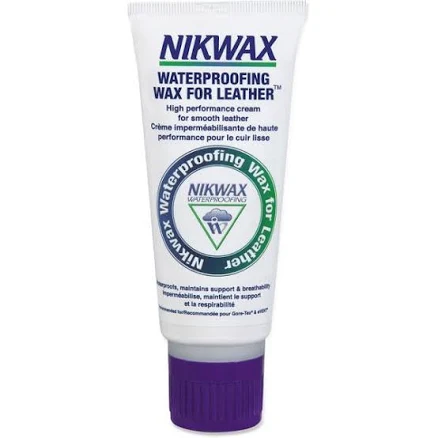
- wax-based waterproofing
- The brand calls it PFAS-free, which we have not verified
- Respiratory irritation or fume inhalation during application
2 hazards checked on this product, all on its full breakdown.
Find an alternative on Amazon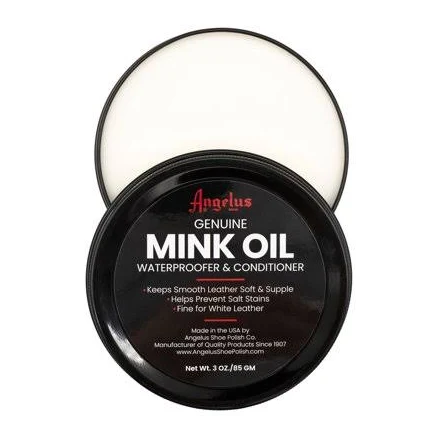
- mink oil paste, natural oil-based conditioner
- We found no PFAS statement from the brand
- Microbial growth (natural oil rancidity)
2 hazards checked on this product, all on its full breakdown.
Find an alternative on Amazon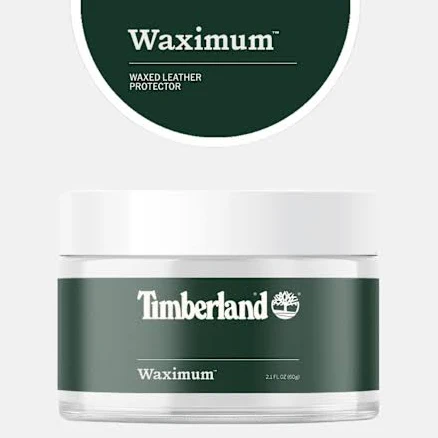
- Wax-based leather protector
- We found no PFAS statement from the brand
- Volatile organic compounds (VOCs) from solvents
3 hazards checked on this product, all on its full breakdown.
Find an alternative on AmazonMore fabric stain guard sprays grades
How we score, every product runs through the same public 0-100 rubric based on materials, coatings, brand disclosure, lab findings, and recalls. See the full methodology → Spotted a mistake? Report an error.