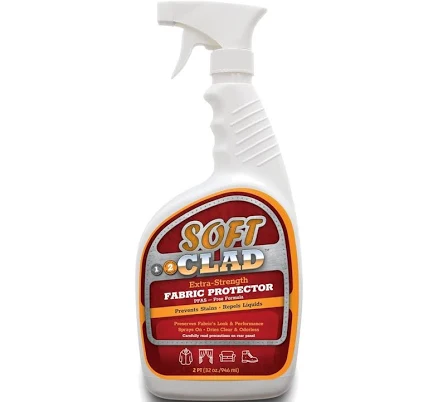
Extra Strength Fabric Protector Spray
Avoid until the brand discloses coating formula or testing.
Fabric protectors commonly rely on PFAS-based water and stain repellent treatments. The brand provides no ingredient disclosure, safety data, or PFAS test results.
Still want this one anyway? Check the price on Amazon. We’d swap it.
Material
proprietary water and stain repellent coating
Brand disclosure
Brand is silent on PFAS
Lab data
No public lab test
You may also be interested in
Top-graded picks in the categories readers replace first, every one scored on the same rubric.

- polypropylene filter housing, carbon/sediment cartridge
- We found no PFAS statement from the brand
- Bacterial growth in spent cartridges
3 hazards checked on this product, all on its full breakdown.

Aquasure
Premier Series 75 GPD Under Sink Reverse Osmosis Water Filtration System
- RO membrane, carbon filters, stainless steel housing
- We found no PFAS statement from the brand
- Bacterial and microbial growth in housing and filters
4 hazards checked on this product, all on its full breakdown.

Avocado
Vegan Mattress
- organic cotton, natural latex, coconut coir, recycled steel coils
- The brand calls it PFAS-free, which we have not verified
- Heavy metals
2 hazards checked on this product, all on its full breakdown.
What Extra Strength Fabric Protector Spray is made of, ingredients and materials
Extra Strength Fabric Protector is a spray-applied water and stain repellent coating. The proprietary formula is not publicly detailed by the manufacturer, which is standard for consumer products but problematic when the coating likely contains fluorinated compounds (PFAS) to achieve water-beading performance. Without disclosed active ingredients or third-party verification, users cannot assess exposure risk or environmental persistence of the applied coating.
What’s concerning
Category baseline
The starting point for this type of product, before anything specific to this product is counted.
No PFAS disclosure
No public statement from the brand about PFAS in this product.
Waterproof / stain-resistant treatment
Water-repellent coating treatments have historically used PFAS.
Inhalation of aerosolized particles and solvents
Spray application releases fine droplets and volatile carriers into air. While acute toxicity is not typically reported for fabric protector sprays, cumulative or high-exposure inhalation (poor ventilation, frequent application) may pose respiratory irritation risk, especially in asthmatics or children.
Skin or eye contact from overspray
Direct contact with wet spray can cause mild irritation or temporary discomfort. No severe dermal effects are documented for fabric protector, but eyes are sensitive; standard precautions (avoid face, protect eyes) apply to any aerosol product.
Coating degradation and reapplication frequency
Fabric protector coatings break down with washing, UV exposure, and wear. Frequent reapplication increases cumulative exposure to the coating chemistry (including possible PFAS) on textiles and in the environment via rinse water, with unclear long-term persistence in household or aquatic systems.
Environmental persistence of water-repellent coating
Any fluorinated stain repellent (most probable for this spray's performance claims) resists biodegradation and can leach into soil or water through fabric washing and disposal. Without ingredient disclosure, the brand cannot verify use of newer, less-persistent PFAS or fully fluorine-free alternatives.
Lack of compatibility documentation with certain fabrics
The brand provides minimal guidance on fabric types low concern for treatment (e.g., natural fibers, synthetics, blends, specialty textiles). Improper application to delicate or incompatible materials may cause discoloration, stiffness, or coating buildup without clear recourse.
How is this PFAS grade calculated?
The brand's record and disclosure
The brand, owned by Colgate-Palmolive, has not published testing results, ingredient disclosure, or commitment statements regarding PFAS in this product line. The brand maintains silence on fluorochemistry in fabric treatments, which contrasts with competitors (e.g., Scotchgard, owned by 3M) that have begun phasing PFAS-heavy formulations and providing partial transparency. No recall history or safety controversies are established for this specific product, but lack of disclosure itself is a transparency red flag.
How it compares in its category
Fabric protector sprays typically rely on PFAS (legacy or newer per- and polyfluoroalkyl compounds) to create durable water and oil repellency. The brand's market position is budget-friendly, but it lags behind brands that publish third-party testing, PFAS reduction commitments, or alternative chemistries (siloxane-based or wax hybrid systems). Eco-conscious consumers have increasingly shifted to mechanical treatments (scotchguard alternatives) or non-fluorinated products; The brand has not followed this trend publicly.
If you buy it
Apply in well-ventilated spaces to minimize inhalation of aerosolized particles and any volatile carrier solvents. Allow treated fabrics to dry fully (4-8 hours) before contact or laundering. Reapplication every 6-12 months is typical for fabric protectors; monitor for coating buildup, which can reduce breathability. Do not apply to water-sensitive or delicate materials without a test spot. Dispose of empty cans per local aerosol recycling guidelines.
What is not known about PFAS in this product?
- Basis
- Model estimate, 35% confidence, not a lab result
- Lab test
- None on record for this exact product
- Brand statement
- has made none
Formulations change between production runs, so check the current label. How we grade.
What are the PFAS-free alternatives to Extra Strength Fabric Protector Spray?
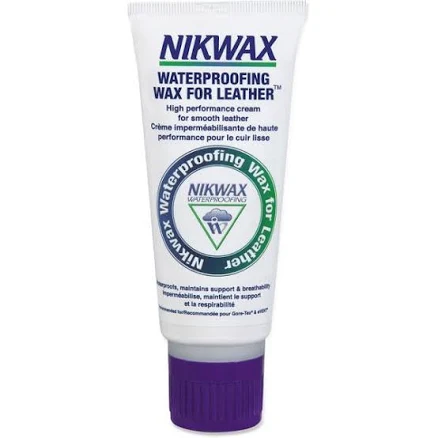
- wax-based waterproofing
- The brand calls it PFAS-free, which we have not verified
- Respiratory irritation or fume inhalation during application
2 hazards checked on this product, all on its full breakdown.
Find an alternative on Amazon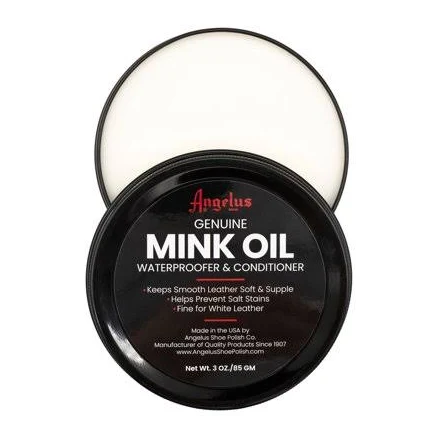
- mink oil paste, natural oil-based conditioner
- We found no PFAS statement from the brand
- Microbial growth (natural oil rancidity)
2 hazards checked on this product, all on its full breakdown.
Find an alternative on Amazon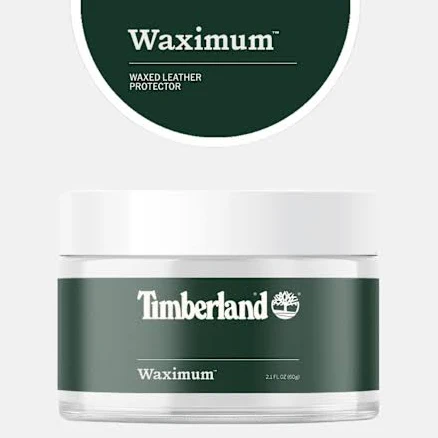
- Wax-based leather protector
- We found no PFAS statement from the brand
- Volatile organic compounds (VOCs) from solvents
3 hazards checked on this product, all on its full breakdown.
Find an alternative on AmazonMore fabric stain guard sprays grades
How we score, every product runs through the same public 0-100 rubric based on materials, coatings, brand disclosure, lab findings, and recalls. See the full methodology → Spotted a mistake? Report an error.