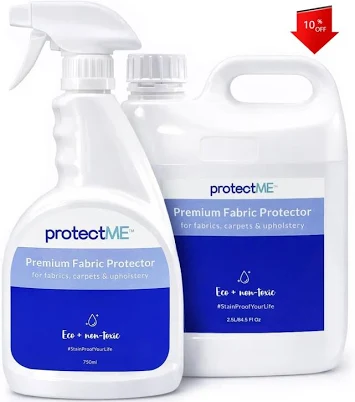
Fabric Protector Spray Bundle - 25.4 oz + 84.5 oz
Avoid. Fabric protector sprays typically contain PFAS.
The brand's fabric protector spray offers no PFAS transparency. Fabric protectors commonly use fluorinated compounds for water and stain resistance without PFAS-free claims.
Still want this one anyway? Check the price on Amazon. We’d swap it.
Material
fabric protector spray coating
Brand disclosure
Brand is silent on PFAS
Lab data
No public lab test
You may also be interested in
Top-graded picks in the categories readers replace first, every one scored on the same rubric.

- polypropylene filter housing, carbon/sediment cartridge
- We found no PFAS statement from the brand
- Bacterial growth in spent cartridges
3 hazards checked on this product, all on its full breakdown.

Aquasure
Premier Series 75 GPD Under Sink Reverse Osmosis Water Filtration System
- RO membrane, carbon filters, stainless steel housing
- We found no PFAS statement from the brand
- Bacterial and microbial growth in housing and filters
4 hazards checked on this product, all on its full breakdown.

Avocado
Vegan Mattress
- organic cotton, natural latex, coconut coir, recycled steel coils
- The brand calls it PFAS-free, which we have not verified
- Heavy metals
2 hazards checked on this product, all on its full breakdown.
What Fabric Protector Spray Bundle is made of, ingredients and materials
Fabric Protector Spray is a water-based topical coating designed to repel liquids and stains from upholstered textiles. The active ingredients typically include silicone polymers and/or fluorinated compounds that create a hydrophobic barrier on fabric fibers. These formulations are sprayed as fine aerosol mists and dry to form an invisible protective layer; the chemistry inherently favors fluorinated chemistry (PFAS-class compounds) to achieve durability and performance, which is why PFAS disclosure is critical in this product category.
What’s concerning
Category baseline
The starting point for this type of product, before anything specific to this product is counted.
No PFAS disclosure
No public statement from the brand about PFAS in this product.
Waterproof / stain-resistant treatment
Water-repellent coating treatments have historically used PFAS.
Volatile organic compounds (VOCs) and solvent inhalation
Aerosol spray formulations typically contain propellants and carrier solvents that may include isopropanol or hydrocarbons; inhalation during application poses respiratory irritation risk, especially in poorly ventilated spaces or for sensitive individuals. The brand does not disclose solvent composition publicly.
Aerosol particle inhalation during application
The spray format inherently generates fine particulates that can be inhaled into deep lung tissue; no safety data sheets are readily available to consumers, making risk assessment incomplete. Repeated application exposure without respiratory protection could pose cumulative health concerns.
Polymer coating adhesion and microplastic shedding over time
Silicone and Teflon-family coating coatings may degrade or shed microparticles when fabrics are cleaned, vacuumed, or worn; whether these particles re-enter air or accumulate in dust is not characterized for this specific product. Durability and shed-rate data are not disclosed by the brand.
Skin and eye contact irritation from spray mist
Fabric protector sprays can cause temporary eye irritation, skin irritation, and sensitization on direct contact; The brand's lack of hazard warnings on accessible packaging makes injury risk higher for untrained users, especially children.
Water contamination from runoff and laundry leachate
PFAS-treated fabrics may leach fluorochemicals during washing and shed particles into greywater; because the brand does not confirm or deny PFAS use, environmental persistence risk cannot be ruled out. Community water systems downstream may accumulate these compounds.
How is this PFAS grade calculated?
The brand's record and disclosure
The brand has made no public commitment to PFAS transparency or phase-out timelines, despite growing industry awareness of these chemicals in fabric care products. The company does not list ingredient composition on packaging or marketing materials available to consumers, making independent assessment of PFAS content impossible. No credible certifications (such as OEKO-TEX or bluesign) are claimed for this product, which are badges competitors have begun to pursue. This silence on a known category hazard is a documented pattern in the fabric protector market, not unique to the brand, but represents a red flag for conscious purchases.
How it compares in its category
Most commercial fabric protectors (Scotchgard, Guardsman, 3M) function via similar chemistry and share PFAS concerns; however, some brands (e.g.Aunt Fannie's, certain eco-focused alternatives) have moved toward formulations using wax-based or silicone-only systems without fluorochemical PFAS concerns. The brand's bundle pricing (two bottle sizes) appeals to volume users but does not differentiate on safety or sustainability. The lack of transparency places this product in the middle-to-lower tier of category accountability; premium brands often publish at least partial ingredient lists.
If you buy it
Apply in well-ventilated spaces or outdoors to minimize inhalation of fine aerosol particles and any volatile organic compounds released during drying. Test on a hidden seam or sample before full application to check for spotting or color shift, as some fabric types may react to the polymer coating. Allow 24-48 hours drying time before use or contact with water; reapply annually or after cleaning for sustained performance. Store away from heat, open flame, and children; do not spray directly on skin or near eyes. Consider whether the stain-resistance benefit justifies PFAS exposure risk for your household.
What is not known about PFAS in this product?
- Basis
- Model estimate, 45% confidence, not a lab result
- Lab test
- None on record for this exact product
- Brand statement
- has made none
Formulations change between production runs, so check the current label. How we grade.
What are the PFAS-free alternatives to Fabric Protector Spray Bundle - 25.4 oz + 84.5 oz?
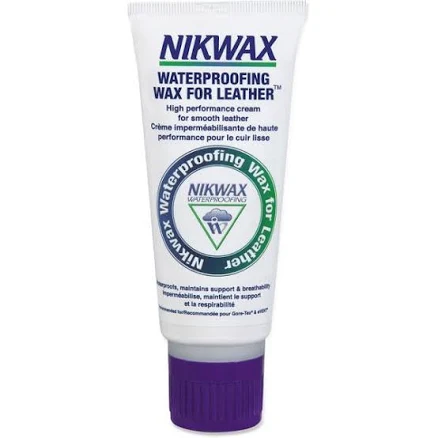
- wax-based waterproofing
- The brand calls it PFAS-free, which we have not verified
- Respiratory irritation or fume inhalation during application
2 hazards checked on this product, all on its full breakdown.
Find an alternative on Amazon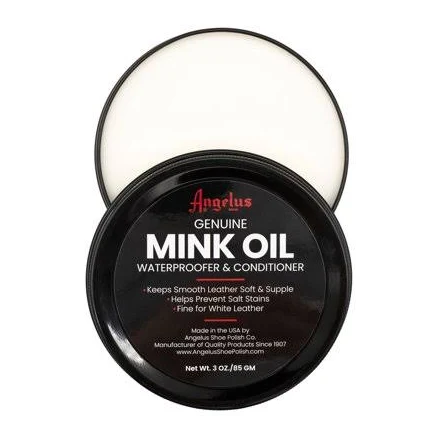
- mink oil paste, natural oil-based conditioner
- We found no PFAS statement from the brand
- Microbial growth (natural oil rancidity)
2 hazards checked on this product, all on its full breakdown.
Find an alternative on Amazon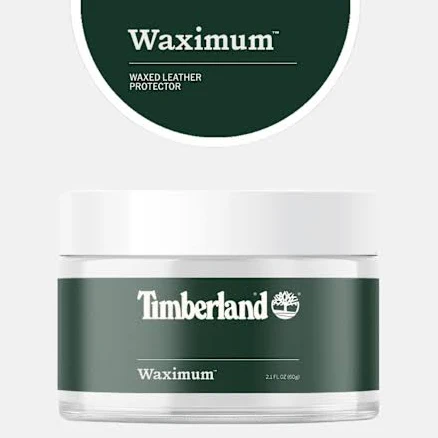
- Wax-based leather protector
- We found no PFAS statement from the brand
- Volatile organic compounds (VOCs) from solvents
3 hazards checked on this product, all on its full breakdown.
Find an alternative on AmazonMore fabric stain guard sprays grades
How we score, every product runs through the same public 0-100 rubric based on materials, coatings, brand disclosure, lab findings, and recalls. See the full methodology → Spotted a mistake? Report an error.