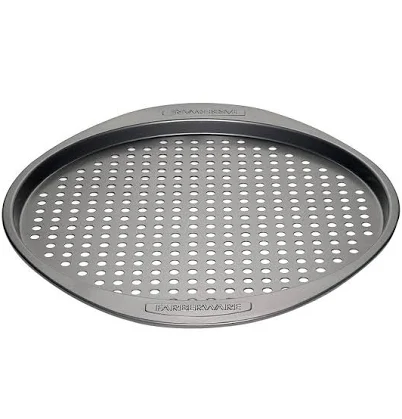
Farberware · Pizza Stones & Baking Surfaces
Farberware Pizza Crisper 13, Is It Non-Toxic?
Skip until coating details confirmed; PFAS risk unclear.
Farberware provides no coating material disclosure for this pizza crisper. Nonstick cookware often contains PFAS; verify coating specs before purchase.
The better-graded swap
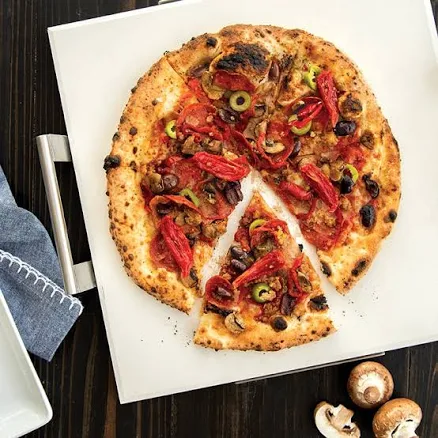
Deluxe Square Pizza Stone with Rack
90/100 safety
Same rubric that flunked this product. The swap earned Excellent.
Still want this one anyway? Check the price on Amazon. We’d swap it.
Material
Nonstick-coated steel or ceramic, unspecified
Lab data
No public lab test
You may also be interested in
Top-graded picks in the categories readers replace first, every one scored on the same rubric.

- polypropylene filter housing, carbon/sediment cartridge
- We found no PFAS statement from the brand
- Bacterial growth in spent cartridges
3 hazards checked on this product, all on its full breakdown.

Aquasure
Premier Series 75 GPD Under Sink Reverse Osmosis Water Filtration System
- RO membrane, carbon filters, stainless steel housing
- We found no PFAS statement from the brand
- Bacterial and microbial growth in housing and filters
4 hazards checked on this product, all on its full breakdown.

Avocado
Vegan Mattress
- organic cotton, natural latex, coconut coir, recycled steel coils
- The brand calls it PFAS-free, which we have not verified
- Heavy metals
2 hazards checked on this product, all on its full breakdown.
Is Farberware Pizza Crisper 13 non-toxic? What it is made of
The Farberware Pizza Crisper 13 is a perforated steel or aluminum tray with a nonstick coating, but Farberware does not publicly specify whether the coating is Teflon-type coating (traditional Teflon), ceramic, or a proprietary polymer. Steel substrate is chemically inert; aluminum can leach at low pH and high heat if the nonstick layer degrades. The nonstick coating itself is the critical variable, Teflon-type coating coatings can emit fumes above 500F, while ceramic coatings are generally more thermally stable but less durable over time.
What’s concerning
Category baseline
The starting point for this type of product, before anything specific to this product is counted.
No PFAS disclosure
No public statement from the brand about PFAS in this product.
Non-stick, chemistry undisclosed
Marketed as non-stick without stating the coating chemistry.
Teflon-type coating thermal decomposition (fume risk)
If the coating is Teflon-type coating-based (unconfirmed by Farberware), heating above 500F can release perfluorooctanoic acid precursors and other volatile compounds; pizza crispers are typically oven-safe to 400-450F, so direct risk is low at normal use, but accidental overheating or broiler use could trigger fumes.
Aluminum substrate leaching
If substrate is aluminum rather than steel, and the nonstick coating degrades or flakes, aluminum can leach into acidic foods (tomato-based pizza sauces). Farberware does not specify substrate composition for this model, making quantification impossible.
Nonstick coating degradation and microflaking
Entry-level nonstick cookware from Farberware is known to chip and peel after repeated washing and use over 1-2 years; microflakes are generally considered inert and pass through the GI tract, but avoidance is preferable. No toxicity data specific to Farberware nonstick flakes exists.
PFAS
Farberware's silence on PFAS content and use of traditional nonstick coatings (unconfirmed) suggests PFAS presence is probable; per the provided assessment, PFAS safety is graded separately at 15/100 (poor).
Source, ATSDR ↗What’s reassuring
Lead
Modern Farberware cookware is manufactured to US FDA standards, which prohibit intentional lead or cadmium additives in food-contact coatings; no recalls or test failures for this product have been recorded.
Source, ATSDR ↗How is this PFAS grade calculated?
The brand's record and disclosure
Farberware, owned by Groupe SEB, has not published detailed material safety data sheets or nonstick coating specifications for most cookware lines. The brand does not maintain a public PFAS commitment or transparency initiative comparable to major competitors. No significant recalls tied to nonstick coating failure or leaching have been identified for this specific model, but the lack of disclosure makes independent verification difficult.
How it compares in its category
Pizza crispers are specialty perforated pans designed for crisping crusts via air circulation; this category does not see heavy use at extreme temperatures like stovetop frying pans do. Farberware's entry-level positioning means the nonstick coating is likely thinner and less durable than premium brands such as All-Clad or Scanpan, which publish coating composition. Ceramic-coated alternatives (e.g., GreenPan) offer lower Teflon-type coating risk but trade some nonstick performance and durability.
If you buy it
Use only at or below 400F (typical oven pizza temperature); never preheat empty or expose to stovetop flame. Hand-wash only; dishwasher use degrades nonstick coatings faster. Replace if the coating shows visible scratches, peeling, or flaking, as bare aluminum or steel then contact food. Store with a soft cloth between uses to prevent scratching. Monitor for any off-odors during first use, which may indicate solvent residue from manufacturing.
What is not known about PFAS in this product?
- Basis
- Model estimate, 35% confidence, not a lab result
- Lab test
- None on record for this exact product
- Brand statement
- Farberware has made a specific claim
Formulations change between production runs, so check the current label. How we grade.
What are the PFAS-free alternatives to Farberware Pizza Crisper 13?
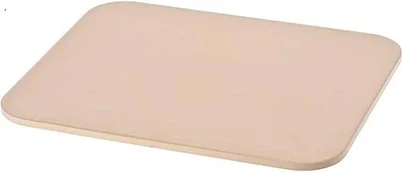
15-Inch Ceramic Pizza Stone for Perfect Crispy Crusts
- Ceramic (clay-based baking stone)
- The brand calls it PFAS-free, which we have not verified
- Glaze degradation and surface leaching
3 hazards checked on this product, all on its full breakdown.
Deluxe Square Pizza Stone with Rack
- ceramic or unglazed stone; no nonstick coating
- The brand calls it PFAS-free, which we have not verified
- Ceramic or stone cracking and fragmentation
2 hazards checked on this product, all on its full breakdown.
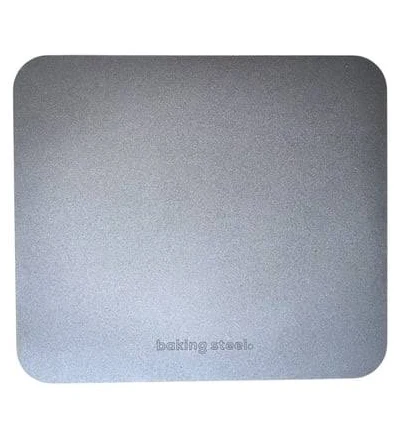
- carbon steel (bare metal, no coating)
- We found no PFAS statement from the brand
- Rust and corrosion
2 hazards checked on this product, all on its full breakdown.
Find an alternative on AmazonMore pizza stones & baking surfaces grades
How we score, every product runs through the same public 0-100 rubric based on materials, coatings, brand disclosure, lab findings, and recalls. See the full methodology → Spotted a mistake? Report an error.