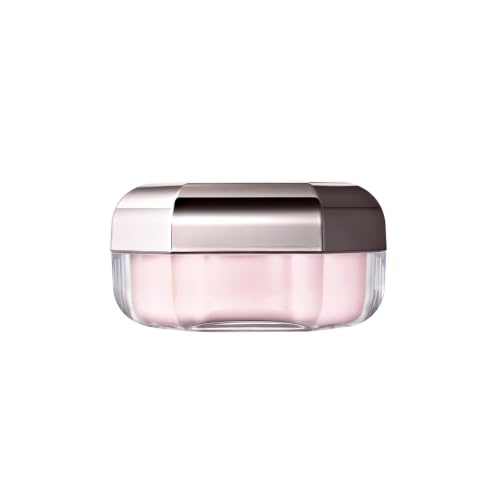
Fenty Beauty Set it Down Superfine Blurring Setting Powder
Lower concern; mineral powder with no known PFAS risk, but brand silent on sourcing.
Fenty's setting powder uses standard mineral ingredients like talc and mica, which typically carry lower PFAS risk than Teflon-family coating or water-resistant treatments. Brand provides no public PFAS disclosure or testing.
We flunk more products than we pass. This one earned its grade. How we grade
Material
talc, mica, silica, iron oxides, other mineral pigments
Lab data
No public lab test
You may also be interested in
Top-graded picks in the categories readers replace first, every one scored on the same rubric.

- polypropylene filter housing, carbon/sediment cartridge
- We found no PFAS statement from the brand
- Bacterial growth in spent cartridges
3 hazards checked on this product, all on its full breakdown.

Aquasure
Premier Series 75 GPD Under Sink Reverse Osmosis Water Filtration System
- RO membrane, carbon filters, stainless steel housing
- We found no PFAS statement from the brand
- Bacterial and microbial growth in housing and filters
4 hazards checked on this product, all on its full breakdown.

Avocado
Vegan Mattress
- organic cotton, natural latex, coconut coir, recycled steel coils
- The brand calls it PFAS-free, which we have not verified
- Heavy metals
2 hazards checked on this product, all on its full breakdown.
What Fenty Beauty Set it Down Setting Powder is made of, ingredients and materials
This is a mineral powder formulation built on talc as the primary base, combined with mica for shimmer and light-diffusion, silica for texture control, and iron oxide pigments for color. Talc is a naturally occurring silicate mineral; the long-standing concern is that talc ore deposits can be contaminated with asbestos during mining and processing, though modern cosmetic-grade talc in regulated markets is tested for asbestos. Mica and silica are inert minerals with low toxicity risk at typical exposure levels in powder cosmetics. Iron oxides are stable colorants and do not present a chemical leaching or degradation hazard in a dry powder format.
What’s concerning
Category baseline
The starting point for this type of product, before anything specific to this product is counted.
No PFAS disclosure
No public statement from the brand about PFAS in this product.
Talc contamination (asbestos risk)
Talc ore can contain asbestos; cosmetic-grade talc in regulated markets is tested, but Fenty has not disclosed testing protocols, third-party audit results, or supplier traceability for this product. Risk is lower in finished powder than in loose or aerosolized form, but inhalation during application remains a vector.
Respirable silica exposure
Silica is present as a functional ingredient and mica can fragment into fine particles during use. Chronic inhalation of crystalline silica is a known occupational hazard; consumer powder use poses lower but not negligible risk depending on ventilation and application frequency.
What’s reassuring
Base material not linked to PFAS
The main material recorded for this product is not one associated with PFAS.
Heavy metals
Iron oxides are approved colorants in cosmetics and do not typically leach from dry powder formulations. No recalls or test data link this product to lead, cadmium, or mercury contamination. Risk is theoretical only given the dry, non-aqueous format.
Source, FDA ↗Formaldehyde / VOCs
Setting powders do not rely on formaldehyde-based preservatives as a rule because the dry, low-water environment does not support bacterial or fungal growth. No formulation basis to suspect their presence in this product.
Source, ATSDR ↗Fragrance allergens or undisclosed fragrance components
Product is marketed as fragrance-free; no fragrance or botanical extracts are listed. Risk of hidden fragrance allergens is minimal unless the brand has undisclosed fragrance masking, which is not documented for this line.
How is this PFAS grade calculated?
The brand's record and disclosure
Fenty Beauty, owned by LVMH, has not published detailed safety data sheets, ingredient sourcing transparency, or third-party talc testing results for individual products. The brand has no known public controversies tied to talc contamination or heavy metal recalls in setting powders. Fenty has not publicly committed to talc-free formulations across its powder category, nor has it addressed asbestos testing protocols in marketing or regulatory filings available to consumers.
How it compares in its category
Talc-based setting powders remain standard in mainstream cosmetics despite decades of talc litigation and health concerns. Some competitors (e.g., Bare Minerals, MAC Fix+) have shifted to talc-free formulations using cornstarch, rice powder, or synthetic silicates. Fenty's powder sits in the conventional talc camp, neither leading transparency nor lagging significantly behind industry norm for disclosure. Price point and product performance do not correlate with safety transparency in this category.
If you buy it
Use in well-ventilated areas to minimize inhalation of fine powder particles; avoid applying directly near the nose or mouth. Do not use on broken skin or open wounds. Store in a cool, dry place away from moisture to prevent caking or bacterial growth in the compact. If you have a personal or family history of lung conditions, ovarian cancer concerns, or immunocompromise, consult a dermatologist before regular use; talc inhalation risk is debated but not dismissed by medical bodies.
What is not known about PFAS in this product?
- Basis
- Model estimate, 72% confidence, not a lab result
- Lab test
- None on record for this exact product
- Brand statement
- Fenty Beauty has made a specific claim
Formulations change between production runs, so check the current label. How we grade.
What are the PFAS-free alternatives to Fenty Beauty Set it Down Superfine Blurring Setting Powder?
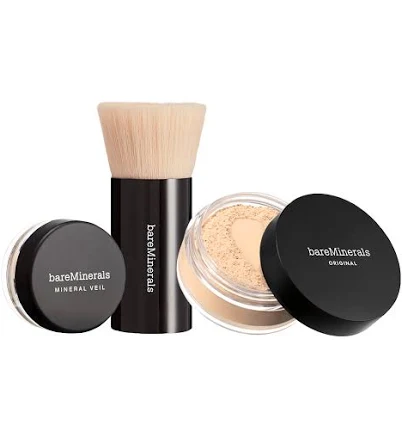
- The brand calls it PFAS-free, which we have not verified
- Lead
3 hazards checked on this product, all on its full breakdown.
More cosmetics grades
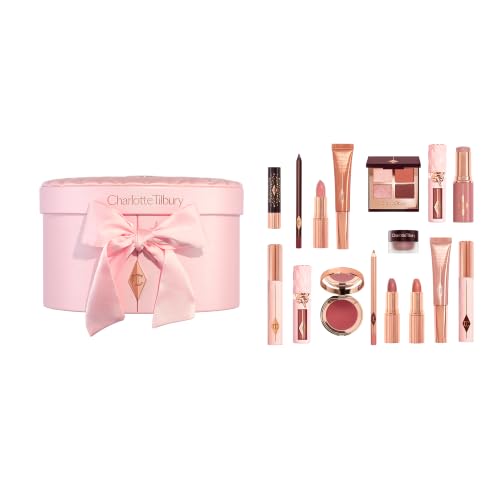 75Charlotte Tilbury Pillow Talk Dreams Come True
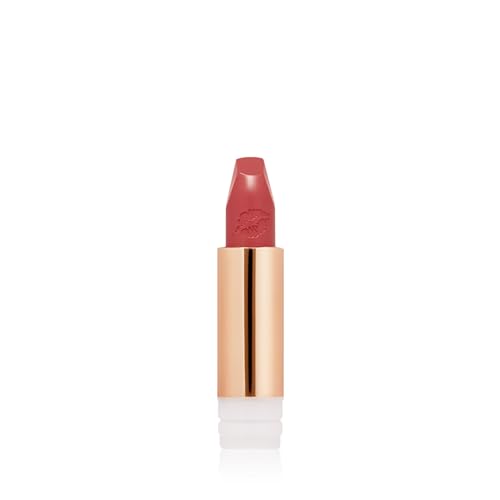 75Charlotte Tilbury Hot Lips 2 Refill
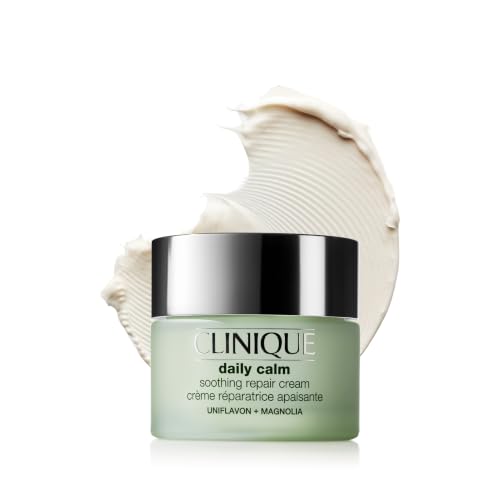 75Clinique Daily Calm Soothing Repair Face Cream
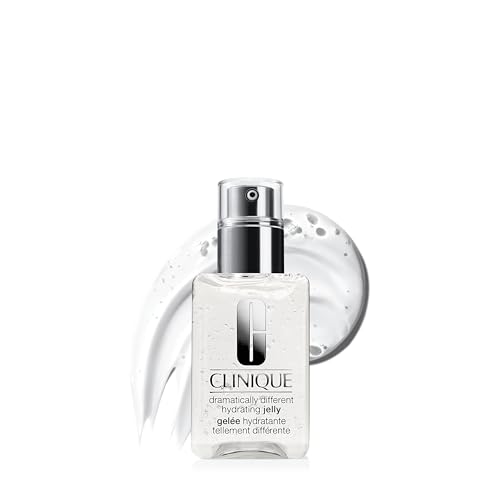 75Clinique Dramatically Different Hydrating Jelly Moisturizer
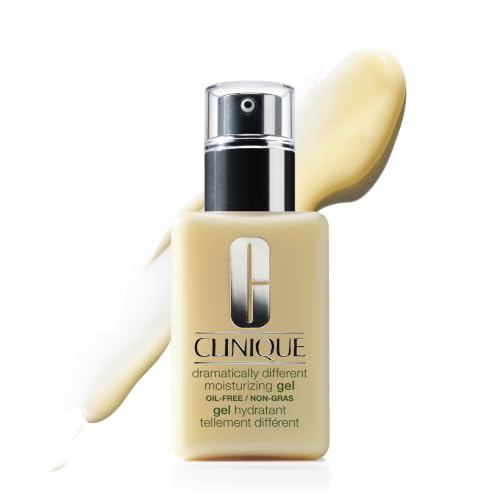 75Clinique Dramatically Different Moisturizing Gel
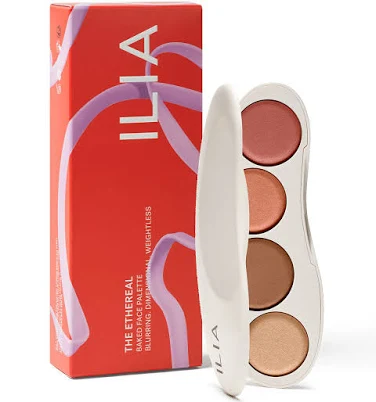 75Ilia Beauty Clean Makeup
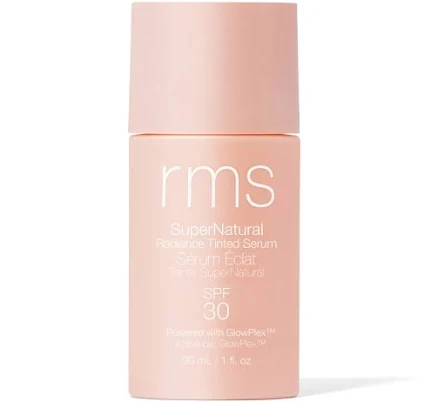 75RMS Beauty Organic Makeup
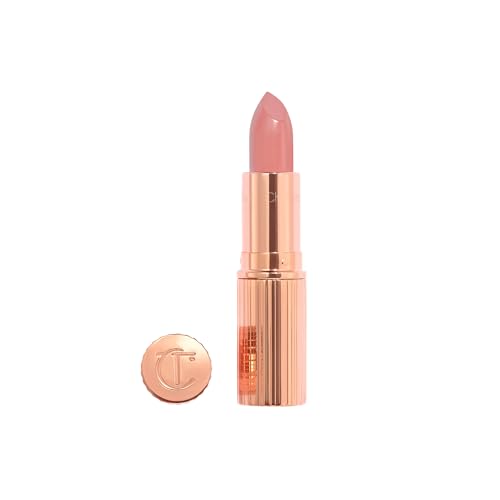 75Charlotte Tilbury Pillow Talk Lipstick
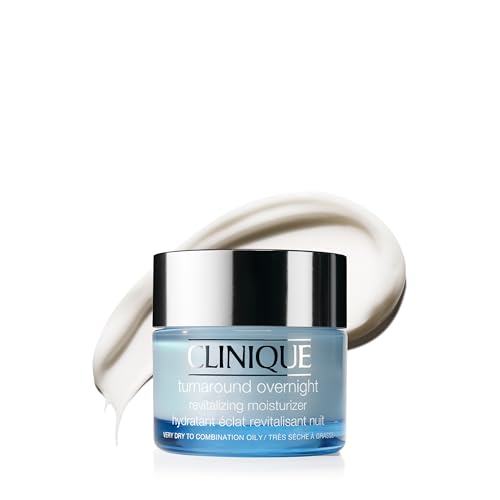 75Clinique Turnaround Overnight Revitalizing Moisturizer
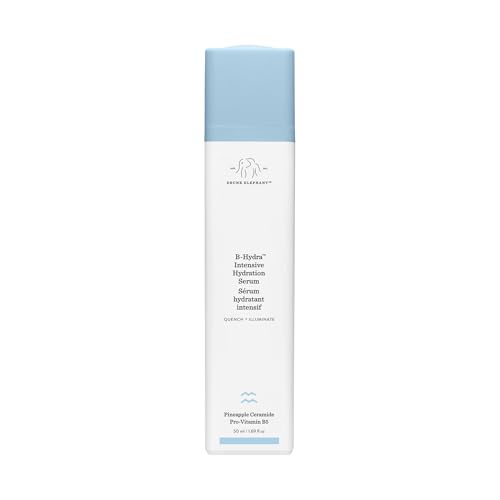 75Drunk Elephant B-Hydra Intensive Hydration SerumCompare vs Bare Minerals →All cosmetics →
How we score, every product runs through the same public 0-100 rubric based on materials, coatings, brand disclosure, lab findings, and recalls. See the full methodology → Spotted a mistake? Report an error.