Flex Seal · Fabric Stain Guard Sprays
Flex Paste Rubber Sealant
Skip until brand discloses waterproof treatment composition.
Flex Paste is a waterproof rubber sealant with undisclosed coating ingredients. No PFAS claim or third-party verification available; composition opacity raises concern.
Still want this one anyway? Check the price on Amazon. We’d swap it.
Material
Rubber-based sealant with waterproofing agent
Brand disclosure
Brand is silent on PFAS
Lab data
No public lab test
You may also be interested in
Top-graded picks in the categories readers replace first, every one scored on the same rubric.

- polypropylene filter housing, carbon/sediment cartridge
- We found no PFAS statement from the brand
- Bacterial growth in spent cartridges
3 hazards checked on this product, all on its full breakdown.

Aquasure
Premier Series 75 GPD Under Sink Reverse Osmosis Water Filtration System
- RO membrane, carbon filters, stainless steel housing
- We found no PFAS statement from the brand
- Bacterial and microbial growth in housing and filters
4 hazards checked on this product, all on its full breakdown.

Avocado
Vegan Mattress
- organic cotton, natural latex, coconut coir, recycled steel coils
- The brand calls it PFAS-free, which we have not verified
- Heavy metals
2 hazards checked on this product, all on its full breakdown.
What Flex Paste Rubber Sealant is made of, ingredients and materials
Flex Paste is a rubber-based sealant formulated to cure and form a flexible, waterproof layer. The 'waterproofing agent' is not specified by Flex Seal in public product literature, which is the core disclosure gap. Rubber-based sealants typically contain synthetic rubber polymers, fillers, and volatile organic compounds (VOCs) that off-gas during and after application. Without ingredient transparency, the presence and identity of that waterproofing component cannot be independently verified.
What’s concerning
Waterproof / stain-resistant treatment
Water-repellent coating treatments have historically used PFAS.
Category baseline
The starting point for this type of product, before anything specific to this product is counted.
No PFAS disclosure
No public statement from the brand about PFAS in this product.
Volatile Organic Compounds (VOCs) and solvent off-gassing
Rubber-based sealants routinely contain VOCs (solvents, plasticizers) that release during and after application. Flex Paste's specific VOC profile is not published; no SDS is readily available to confirm levels or identity of off-gassing compounds.
Undisclosed waterproofing treatment composition
The waterproofing agent in Flex Paste is not named in public materials. Waterproofing in rubber sealants can be achieved via PFAS, siloxane, or other additives; without disclosure, the presence and type cannot be assessed.
Skin and eye irritation from curing agents or uncrosslinked polymers
Rubber sealants commonly contain cross-linking agents and uncrosslinked oligomers that can cause contact irritation. Flex Seal products carry standard warnings for skin contact; detailed sensitizing agents are not disclosed.
Coating degradation and re-application necessity
Rubber-based sealants are softer and more prone to UV degradation than silicone or polyurethane alternatives. Long-term durability is material-dependent and environment-specific; manufacturer warranty or durability guarantees are not commonly published for Flex Paste.
Mold and bacterial growth if moisture is trapped
Any sealant can harbor mold if application leaves gaps or if moisture is sealed behind the product. Rubber's porosity and flexibility can create microcracks over time, increasing this risk in damp environments.
How is this PFAS grade calculated?
The brand's record and disclosure
Flex Seal (Flex Adhesives) has not published detailed Safety Data Sheets (SDS) or ingredient lists readily accessible to consumers, and maintains silence on PFAS treatment in their waterproofing technologies. The brand is well-known for Flex Seal liquid spray sealant, which has faced scrutiny over performance durability claims but not major safety recalls on record. This product operates in a market segment where transparency is not the norm, but also not absent, competitors sometimes disclose more.
How it compares in its category
Rubber-based sealants occupy a middle ground, they are more flexible and less brittle than silicone caulks but typically off-gas more and require better ventilation. Compared to acrylic or polyurethane sealants, rubber formulations often contain higher solvent loads. Flex Paste's market positioning emphasizes ease of use and gap-filling over environmental or health transparency, typical of consumer-grade sealant brands. Silicone and polyurethane alternatives often carry clearer SDS documentation.
If you buy it
Apply in well-ventilated areas or outdoors to minimize VOC inhalation, especially during cure time (which can extend 24-48 hours). Avoid contact with skin and eyes; the product is designed for external or high-moisture-risk surfaces, not food-contact areas. Do not apply in enclosed spaces without air exchange. Replace or re-seal annually if used in high-UV or freeze-thaw environments, as rubber sealants can degrade and lose adhesion over 1-3 years depending on climate.
What is not known about PFAS in this product?
- Basis
- Model estimate, 45% confidence, not a lab result
- Lab test
- None on record for this exact product
- Brand statement
- Flex Seal has made none
Formulations change between production runs, so check the current label. How we grade.
What are the PFAS-free alternatives to Flex Paste Rubber Sealant?
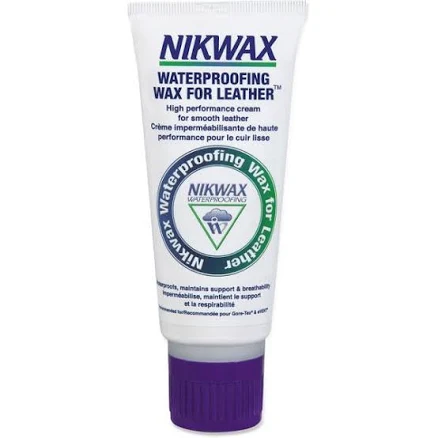
- wax-based waterproofing
- The brand calls it PFAS-free, which we have not verified
- Respiratory irritation or fume inhalation during application
2 hazards checked on this product, all on its full breakdown.
Find an alternative on Amazon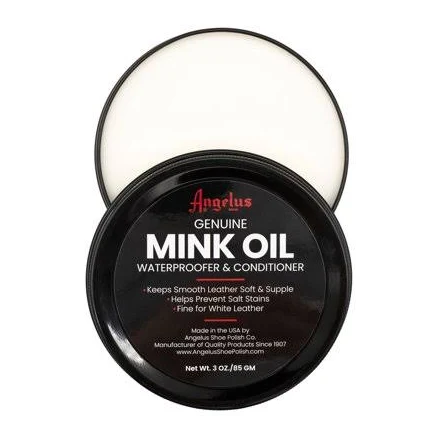
- mink oil paste, natural oil-based conditioner
- We found no PFAS statement from the brand
- Microbial growth (natural oil rancidity)
2 hazards checked on this product, all on its full breakdown.
Find an alternative on Amazon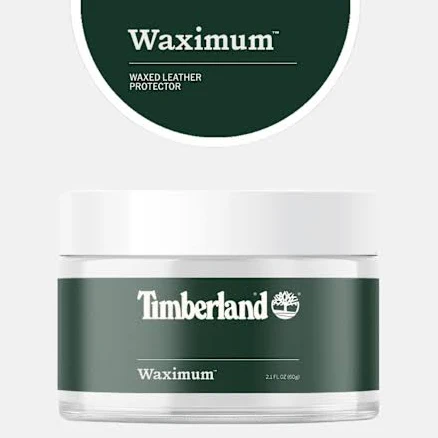
- Wax-based leather protector
- We found no PFAS statement from the brand
- Volatile organic compounds (VOCs) from solvents
3 hazards checked on this product, all on its full breakdown.
Find an alternative on AmazonMore fabric stain guard sprays grades
How we score, every product runs through the same public 0-100 rubric based on materials, coatings, brand disclosure, lab findings, and recalls. See the full methodology → Spotted a mistake? Report an error.