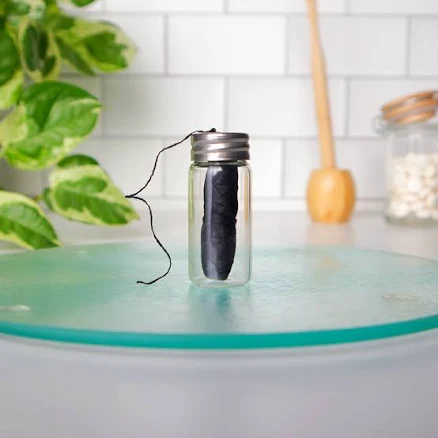
Love of Earth Co. Floss + Glass Case
Lower concern. Material as recorded is not linked to PFAS.
Material as recorded, dental floss and glass case, is not a material linked to PFAS. No water-repellent finish on record. Brand has no PFAS statement on record.
We flunk more products than we pass. This one earned its grade. How we grade
Material
Dental floss (plant-based or silk) and glass case
Brand disclosure
Brand is silent on PFAS
Lab data
No public lab test
You may also be interested in
Top-graded picks in the categories readers replace first, every one scored on the same rubric.

- polypropylene filter housing, carbon/sediment cartridge
- We found no PFAS statement from the brand
- Bacterial growth in spent cartridges
3 hazards checked on this product, all on its full breakdown.

Aquasure
Premier Series 75 GPD Under Sink Reverse Osmosis Water Filtration System
- RO membrane, carbon filters, stainless steel housing
- We found no PFAS statement from the brand
- Bacterial and microbial growth in housing and filters
4 hazards checked on this product, all on its full breakdown.

Avocado
Vegan Mattress
- organic cotton, natural latex, coconut coir, recycled steel coils
- The brand calls it PFAS-free, which we have not verified
- Heavy metals
2 hazards checked on this product, all on its full breakdown.
What Love of Earth Co. Floss + Glass Case is made of, ingredients and materials
Dental floss marketed as plant-based (typically cellulose or silk) avoids synthetic polymer matrices that can leach plasticizers or degradation byproducts into the oral cavity. Glass cases are chemically inert and do not leach contaminants into the floss or environment over time. The simplicity of these materials means few synthetic additives or stabilizers are needed, reducing the overall chemical exposure profile compared to nylon or polytetrafluoroethylene (Teflon-type coating) floss variants.
What’s concerning
No PFAS disclosure
No public statement from the brand about PFAS in this product.
Category baseline
The starting point for this type of product, before anything specific to this product is counted.
Fragrance allergens or undisclosed additives
Marketing implies plant-based composition, but full ingredient lists and fragrance/flavoring disclosures are not publicly available. Some eco-brands add essential oils or flavor agents without detailed allergy labeling.
Microbial growth if floss is stored damp
Organic plant-based fibers in a moist environment may support bacterial or fungal colonization more readily than synthetic alternatives. Proper drying and storage in the glass case are essential for long-term safety.
What’s reassuring
Base material not linked to PFAS
The main material recorded for this product is not one associated with PFAS.
Dyes or colorants in floss
No public reports of azo dyes, heavy metal pigments, or synthetic colorants in this product. If the floss is dyed, composition and safety testing are not documented in available sources.
Formaldehyde / VOCs
Plant-based and silk fibers do not inherently require formaldehyde for preservation or cross-linking; no known preservation additives are listed or reported for this product.
Source, ATSDR ↗Glass case integrity and microplastic shedding
Glass is chemically stable and does not shed microplastics. However, if the case chips or cracks during use or transport, sharp edges pose a minor physical injury risk but not a chemical hazard.
How is this PFAS grade calculated?
The brand's record and disclosure
Floss & Ploss (trading as Love of Earth Co.) does not appear in public safety databases or recall registries for this product. The brand maintains a silent stance on PFAS, which is not uncommon for smaller eco-focused manufacturers. No third-party certifications (such as EWG verification or NSF listings) are documented for this specific product, and marketing claims about plant-based composition have not been independently verified in available public records.
How it compares in its category
Plant-based or silk floss represents a lower-risk alternative to conventional nylon floss, which may contain dyes, additives, or residual monomers. Glass packaging is superior to plastic cases, which can off-gas volatile organic compounds (VOCs) or leach BPA/BPS over years of storage. However, without third-party testing or certification, claims about plant-based purity cannot be independently confirmed; consumers rely on brand transparency.
If you buy it
Store the floss in the glass case away from direct sunlight and heat to preserve plant fibers and prevent degradation. Replace floss when it becomes frayed, discolored, or develops odor, as these signs indicate microbial growth or fiber breakdown. Clean the glass case occasionally with mild soap and water; allow it to air dry fully before refilling. Discontinue use immediately if gum irritation, bleeding, or allergic reactions occur, as individual sensitivities to plant materials vary.
What is not known about PFAS in this product?
- Basis
- Model estimate, 82% confidence, not a lab result
- Lab test
- None on record for this exact product
- Brand statement
- Love of Earth has made none
Formulations change between production runs, so check the current label. How we grade.
What are the PFAS-free alternatives to Love of Earth Co. Floss + Glass Case?
- Plant-based waxed fiber floss
- A third party reports verifying it as PFAS-free
- Fragrance allergens and sensitizers
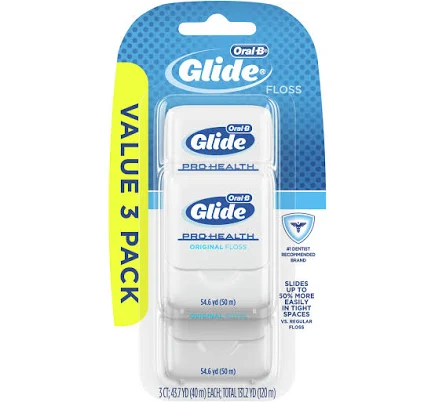
- nylon monofilament
- The brand calls it PFAS-free, which we have not verified
- Microplastics
2 hazards checked on this product, all on its full breakdown.
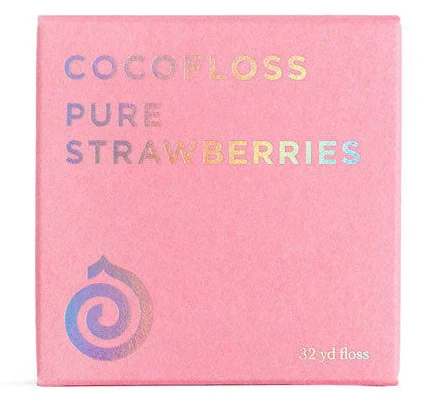
- Coconut fiber-based floss
- The brand calls it PFAS-free, which we have not verified
- Microbial growth in natural fiber storage
More dental floss grades
How we score, every product runs through the same public 0-100 rubric based on materials, coatings, brand disclosure, lab findings, and recalls. See the full methodology → Spotted a mistake? Report an error.