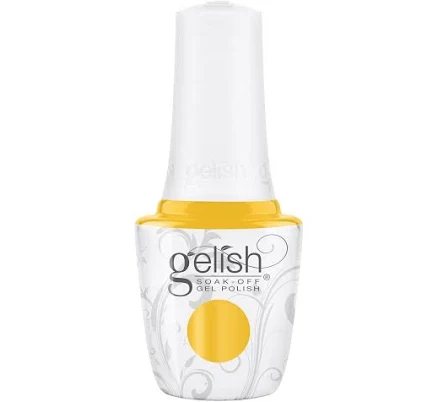
Gelish · Nail Polish & Top Coat
Gelish Gel, Is It Non-Toxic?
Skip until transparency improves; no PFAS standards for gel polish.
Gelish gel polish ingredients are proprietary and not disclosed for PFAS content. Gel polishes may contain fluorinated compounds, but no brand transparency exists.
The better-graded swap
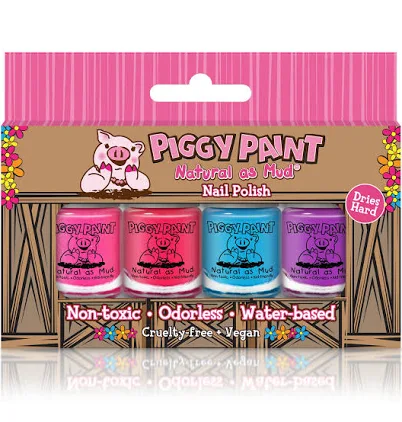
Piggy Paint
Piggy Paint 4-Piece Nail Polish Set
100/100 safety
Same rubric that flunked this product. The swap earned Excellent.
Still want this one anyway? Check the price on Amazon. We’d swap it.
Material
gel polish (resin/polymer blend)
Brand disclosure
Brand is silent on PFAS
Lab data
No public lab test
You may also be interested in
Top-graded picks in the categories readers replace first, every one scored on the same rubric.

- polypropylene filter housing, carbon/sediment cartridge
- We found no PFAS statement from the brand
- Bacterial growth in spent cartridges
3 hazards checked on this product, all on its full breakdown.

Aquasure
Premier Series 75 GPD Under Sink Reverse Osmosis Water Filtration System
- RO membrane, carbon filters, stainless steel housing
- We found no PFAS statement from the brand
- Bacterial and microbial growth in housing and filters
4 hazards checked on this product, all on its full breakdown.

Avocado
Vegan Mattress
- organic cotton, natural latex, coconut coir, recycled steel coils
- The brand calls it PFAS-free, which we have not verified
- Heavy metals
2 hazards checked on this product, all on its full breakdown.
Is Gelish Gel non-toxic? What it is made of
Gelish gel polish is a light-cured acrylate resin blend, typically containing oligomers (short-chain resins), monomers like HEMA or methacrylates, photoinitiators (compounds that trigger hardening under UV/LED light), and pigments or dyes. The key concern is residual uncrosslinked monomers that can leach into the nail bed or be absorbed through skin, and photoinitiators (often aromatic compounds) that may sensitize skin over repeated exposure. Gelish does not publish full ingredient lists by law in most markets, limiting independent hazard assessment.
What’s concerning
Category baseline
The starting point for this type of product, before anything specific to this product is counted.
No PFAS disclosure
No public statement from the brand about PFAS in this product.
Residual acrylate monomers (HEMA, methacrylates)
Gel polish formulations commonly leave 1-5% uncrosslinked monomers even after curing. These can leach into skin or be absorbed through the nail bed, causing contact dermatitis or sensitization, especially with repeated application. Gelish does not disclose monomer content or residual levels.
Photoinitiator sensitization (aromatic ketones, benzoyl peroxide, or camphorquinone)
UV/LED cured gels require photoinitiators to harden. These compounds, though present in small amounts, can trigger allergic contact dermatitis with repeated exposure. Individual sensitivity varies widely. Gelish does not specify which photoinitiators are used.
Lead
Pigmented gel polishes may contain legacy synthetic dyes or inorganic pigments with cadmium or lead, particularly in red, yellow, or orange shades. Gelish does not test or warrant pigment purity. Risk is low if gel is not ingested or applied to open wounds, but unknown.
Source, ATSDR ↗Volatile organic compounds (VOCs) during application
Gel polish application releases acrylic monomers, solvents, and other VOCs into salon air. Chronic exposure (especially for nail technicians) is associated with respiratory irritation and neurological symptoms. Gelish does not provide VOC emissions data.
Incomplete ingredient and safety data disclosure
Gelish publishes no consumer-facing ingredient list or safety data sheet. This prevents independent verification of monomer type, photoinitiator identity, heavy metal limits, or allergen warnings. The lack of transparency is a structural hazard for informed decision-making.
What’s reassuring
Base material not linked to PFAS
The main material recorded for this product is not one associated with PFAS.
How is this PFAS grade calculated?
The brand's record and disclosure
Gelish (owned by Essie, itself part of Coty) maintains minimal public transparency about gel formulations. The brand does not independently publish safety data sheets or ingredient breakdowns for consumers. No major recalls or regulatory warnings specific to Gelish gel polish are on record, but the silence on PFAS use, monomer composition, and photoinitiator identity raises red flags for conscientious buyers. The brand has not sought third-party certification (e.g., Ecocert, NDAC) that would signal stricter limits on residual monomers or heavy metals.
How it compares in its category
Gelish is a mid-to-premium gel polish in a crowded market. Most gel polishes (Shellac, OPI GelColor, Dior Vernis) share the same basic resin chemistry and disclosure gaps; Gelish is not notably worse, but also not better. Brands like Zoya (which publishes "5-free" formulas excluding certain hazards) or indie lines with third-party testing offer marginally more transparency. The gel category as a whole lacks enforceable ingredient standards in the US and most countries, making all brands functionally opaque.
If you buy it
Apply in a well-ventilated space (open window or salon ventilation) to minimize inhalation of volatiles and acrylate vapors. Do not allow uncured gel to contact eyes or mucous membranes; photoinitiators can trigger allergic reactions. Replace bottles every 1-2 years; old gel may separate or accumulate bacteria. If you experience nail bed discoloration, brittleness, or contact dermatitis after use, discontinue and consult a dermatologist; sensitization to acrylates is dose- and time-dependent.
What is not known about PFAS in this product?
- Basis
- Model estimate, 35% confidence, not a lab result
- Lab test
- None on record for this exact product
- Brand statement
- Gelish has made none
Formulations change between production runs, so check the current label. How we grade.
What are the PFAS-free alternatives to Gelish Gel?
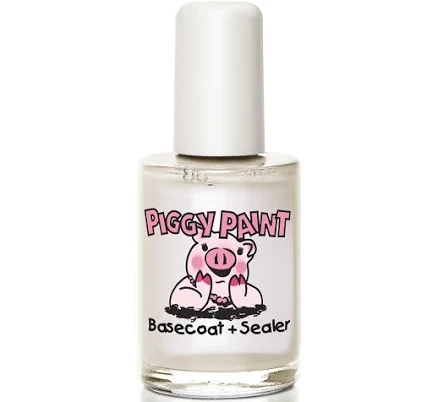
- Water-based organic pigments and plant-derived resins
- The brand calls it PFAS-free, which we have not verified
- Heavy metals
3 hazards checked on this product, all on its full breakdown.
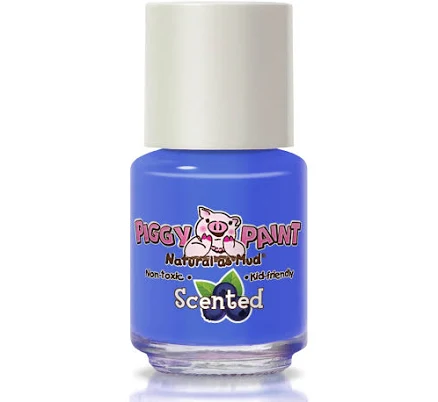
- water-based pigmented lacquer
- The brand calls it PFAS-free, which we have not verified
- Volatile organic compounds (VOCs) from resins and solvents
3 hazards checked on this product, all on its full breakdown.
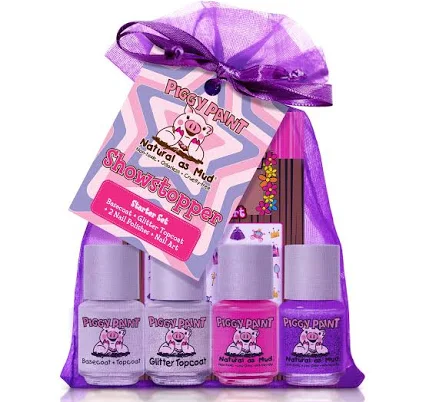
Piggy Paint
Showstopper Nail Polish Set
- organic pigments, plant-based resins, water-based lacquer
- The brand calls it PFAS-free, which we have not verified
- Volatile organic compounds (VOCs)
2 hazards checked on this product, all on its full breakdown.
More nail polish & top coat grades
How we score, every product runs through the same public 0-100 rubric based on materials, coatings, brand disclosure, lab findings, and recalls. See the full methodology → Spotted a mistake? Report an error.