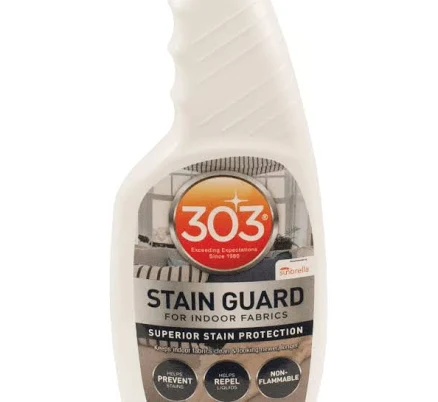
Stain Guard Spray for Indoor Fabrics - Protect Your Textiles
Wait for the brand to reveal coating chemistry or share test results.
Fabric stain guard sprays usually contain water and PFAS-based coatings to repel stains. This brand keeps its ingredients and PFAS status secret, making it impossible to assess the actual risk.
Still want this one anyway? Check the price on Amazon. We’d swap it.
Material
Proprietary stain guard spray coating
Brand disclosure
Brand is silent on PFAS
Lab data
No public lab test
You may also be interested in
Top-graded picks in the categories readers replace first, every one scored on the same rubric.

- polypropylene filter housing, carbon/sediment cartridge
- We found no PFAS statement from the brand
- Bacterial growth in spent cartridges
3 hazards checked on this product, all on its full breakdown.

Aquasure
Premier Series 75 GPD Under Sink Reverse Osmosis Water Filtration System
- RO membrane, carbon filters, stainless steel housing
- We found no PFAS statement from the brand
- Bacterial and microbial growth in housing and filters
4 hazards checked on this product, all on its full breakdown.

Avocado
Vegan Mattress
- organic cotton, natural latex, coconut coir, recycled steel coils
- The brand calls it PFAS-free, which we have not verified
- Heavy metals
2 hazards checked on this product, all on its full breakdown.
What Stain Guard Spray for Indoor Your Textiles is made of, ingredients and materials
Stain Guard is a proprietary spray-applied fabric coating whose exact chemical composition is not publicly disclosed. Stain guard products in this category typically rely on either fluorinated (PFAS-based) or silicone-based repellent polymers; without ingredient transparency, the specific mechanism and potential hazards cannot be confirmed. The lack of disclosed ingredient list or safety data sheet makes independent assessment of non-PFAS chemical risks difficult. Spray application means inhalation exposure during use is a realistic exposure pathway.
What’s concerning
Category baseline
The starting point for this type of product, before anything specific to this product is counted.
Vague safety claims only
Uses vague language ("eco-friendly", "clean") without a specific PFAS statement.
Waterproof / stain-resistant treatment
Water-repellent coating treatments have historically used PFAS.
PFAS
No ingredient list provided by brand; spray-applied fabric coatings frequently use PFAS-based fluorocarbons for water and oil repellency. Inhalation during application is a credible exposure route if PFAS compounds are present.
Source, ATSDR ↗Solvent and propellant inhalation hazard
Spray formulations require volatile carriers (likely hydrocarbons, alcohols, or compressed gases); direct inhalation during application can cause respiratory irritation or dizziness, especially in poorly ventilated spaces.
Skin and eye irritation from undisclosed surfactants or emulsifiers
Spray drift or overspray may contact skin or eyes; without ingredient disclosure, the irritancy profile of surfactants or coupling agents cannot be assessed. Safety data sheet is not publicly available.
Unknown degradation byproducts under heat or UV exposure
Proprietary polymer coatings may break down when fabrics are washed, dried on high heat, or exposed to sunlight; decomposition products are not characterized or disclosed by the brand.
What’s reassuring
Formaldehyde / VOCs
No public documentation of formaldehyde or antimicrobial resins in this product; however, some fabric coatings incorporate formaldehyde-releasing preservatives to prevent microbial growth, and this brand has not ruled this out.
Source, ATSDR ↗How is this PFAS grade calculated?
The brand's record and disclosure
The brand has not publicly disclosed whether this product contains PFAS or committed to fluorine-free formulations; this silence is a significant red flag in an industry where PFAS alternatives exist. The brand does not appear to hold third-party certifications (e.g., GOTS, Bluesign, Cradle to Cradle) that would signal transparent material sourcing or chemical vetting. No major recalls or public safety controversies are documented for this specific product. The proprietary claim, while common in the stain guard market, limits consumer ability to verify the specific chemical composition or cross-reference safety literature.
How it compares in its category
Stain guard sprays occupy a murky middle ground, some brands (notably Nikwax and Grangers in outdoor textiles) publish PFAS-free status or use aliphatic hydrocarbons; others remain silent on PFAS content, creating uncertainty. The brand offers no documented advantage in efficacy, durability, or safety profile versus named competitors. Water-based, non-spray alternatives (enzyme pretreatment, silicone-only emulsions) exist but require different application methods and may have lower consumer awareness. At comparable retail price points, this product's lack of disclosure puts it at a disadvantage versus brands with certified PFAS-free or third-party-vetted formulations.
If you buy it
Apply only in well-ventilated spaces (outdoors or open windows preferred) to minimize inhalation of spray aerosol; wear gloves and avoid breathing mist directly. Test on hidden fabric corners first to check for discoloration or stiffness. Allow full drying time (typically 24 hours) before contact with skin or pets. Reapply as needed based on visible water beading; replacement frequency depends on wash cycles and brand durability claims, which are not independently verified here.
What is not known about PFAS in this product?
- Basis
- Model estimate, 35% confidence, not a lab result
- Lab test
- None on record for this exact product
- Brand statement
- has made none
Formulations change between production runs, so check the current label. How we grade.
What are the PFAS-free alternatives to Stain Guard Spray for Indoor Fabrics - Protect Your Textiles?
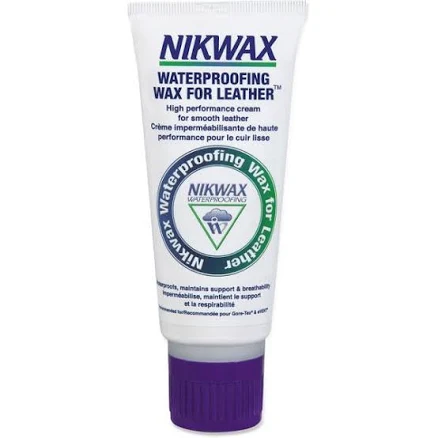
- wax-based waterproofing
- The brand calls it PFAS-free, which we have not verified
- Respiratory irritation or fume inhalation during application
2 hazards checked on this product, all on its full breakdown.
Find an alternative on Amazon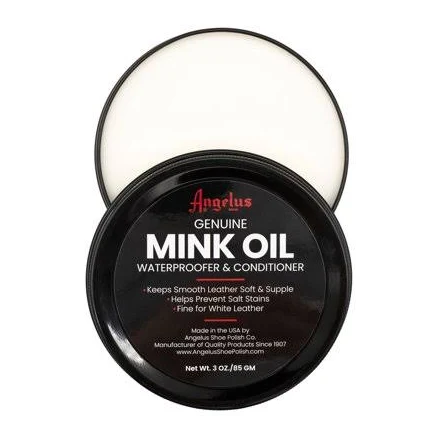
- mink oil paste, natural oil-based conditioner
- We found no PFAS statement from the brand
- Microbial growth (natural oil rancidity)
2 hazards checked on this product, all on its full breakdown.
Find an alternative on Amazon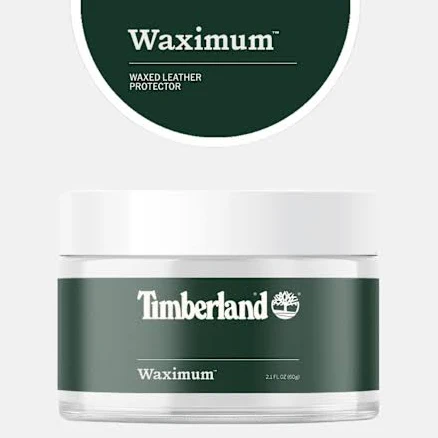
- Wax-based leather protector
- We found no PFAS statement from the brand
- Volatile organic compounds (VOCs) from solvents
3 hazards checked on this product, all on its full breakdown.
Find an alternative on AmazonMore fabric stain guard sprays grades
How we score, every product runs through the same public 0-100 rubric based on materials, coatings, brand disclosure, lab findings, and recalls. See the full methodology → Spotted a mistake? Report an error.