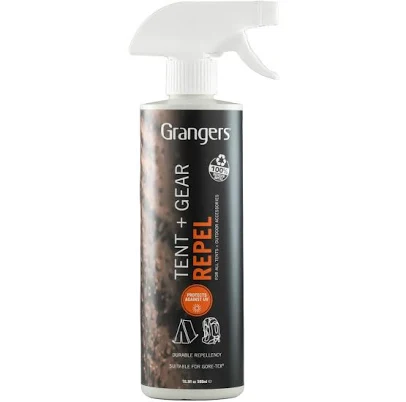
Granger's · Fabric Stain Guard Sprays
Grangers Tent + Gear Repel UV Spray
Avoid until the brand discloses waterproofing chemistry.
This water-repellent spray for outdoor fabrics lacks any PFAS disclosure from the brand. Spray-on water-repellent coating treatments historically relied on fluorinated compounds.
Still want this one anyway? Check the price on Amazon. We’d swap it.
Material
UV-blocking spray treatment on textiles/gear
Brand disclosure
Brand is silent on PFAS
Lab data
No public lab test
What Grangers Tent + Gear Repel UV Spray is made of, ingredients and materials
Grangers Tent + Gear Repel UV is a spray-applied water-repellent coating (water-repellent coating) treatment designed to bond to fabric fibers and add ultraviolet blocking. UV-blocking sprays typically use either UV-absorbing compounds (cinnamates, benzophenones) or reflective/scattering agents. The repellent finish almost certainly relies on fluorocarbon chemistry or silicone-based binders to create water shedding on nylon, polyester, and cotton blends used in outdoor gear. Brand transparency on the exact fluorine chain length and polymer type is absent from public documentation.
What’s concerning
Category baseline
The starting point for this type of product, before anything specific to this product is counted.
No PFAS disclosure
No public statement from the brand about PFAS in this product.
Waterproof / stain-resistant treatment
Water-repellent coating treatments have historically used PFAS.
PFAS
Water-repellent coating spray formulations in this product class typically contain long-chain fluorocarbons (PFOA, PFOS analogs) or unspecified fluorine polymers. Grangers' silence on waterproofing chemistry and lack of public commitment to alternatives suggests conventional fluorocarbon backbone remains highly probable.
Source, ATSDR ↗Inhalation exposure during application
Spray application of any aerosol-based fabric treatment poses brief inhalation risk if applied in confined spaces. UV-blocking and water-repellent coating compounds themselves are not typically volatile, but solvent carriers (propellants, isopropanol) can cause respiratory irritation in poorly ventilated areas.
Skin sensitization from residual spray or wet fabric contact
Dermatitis risk is low for end-users handling dry treated fabric, but acute skin contact with wet freshly sprayed material could cause irritation in sensitive individuals. No specific incidents on record for this brand, but inherent to spray application formats.
Off-gassing from wet-applied coating
During the drying phase (first 24 hours), treated textiles may release volatile components including unreacted monomers or solvent residues. Storing treated gear indoors in a sealed space before full cure could elevate indoor air concentration, though risk is temporary.
What’s reassuring
UV-blocking compound safety (cinnamates, benzophenones)
Grangers does not disclose which UV absorbers are used. Common organic UV filters are generally recognized as low concern when cured into fabric, but specific compound identity is unknown for this product. No adverse reports exist for this brand in accessible safety databases.
The full breakdown
The brand's record and disclosure
Grangers is a UK-based outdoor care specialist with a long heritage in fabric treatments but has not published a clear PFAS avoidance policy or ingredient list in public domain. The brand does not advertise PFAS-free status or use of GenX, PFO alternatives, or short-chain replacements. No major recalls or safety litigation regarding this product have been documented in accessible records. Silence on fluorochemistry from a premium brand in this category raises justified concern.
How it compares in its category
Spray-applied water-repellent coating treatments in this market span a spectrum, some brands (Nikwax, Fiberseal) openly advertise fluorocarbon-free or short-chain chemistries; others (McNett, SeaToSummit standard lines) do not disclose. Grangers sits in the opaque middle, offering durable performance but without the transparency expected of brands marketing premium outdoor products. Roll-on or wash-in alternatives exist but often sacrifice UV protection bundling, making direct substitution category-dependent.
If you buy it
Apply only in well-ventilated outdoor spaces or a garage with doors open; do not spray indoors or in enclosed tents. Allow treated gear to dry fully (24+ hours) before packing or storing in tents. Reapply every 1-2 seasons depending on wash frequency and UV/rain exposure. Wash treated fabrics according to gear care instructions and limit hot water, which can degrade water-repellent coating coatings. If you have young children or pregnant household members, consider alternatives with explicit PFAS-free formulations first.
What we don’t know
- Basis
- Model estimate, 42% confidence, not a lab result
- Lab test
- None on record for this exact product
- Brand statement
- Granger's has made none
Formulations change between production runs, so check the current label. How we grade.
Better-graded alternatives in Fabric Stain Guard Sprays
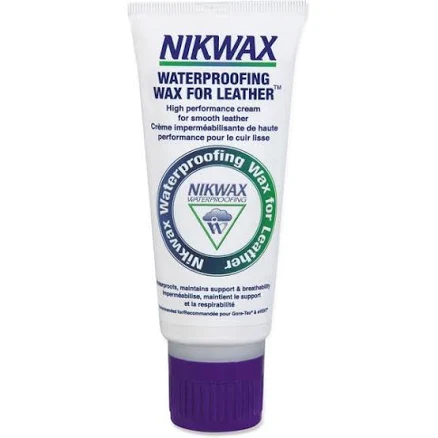
Nikwax
Waterproofing Wax for Leather
- wax-based waterproofing
- The brand calls it PFAS-free, which we have not verified
- Respiratory irritation or fume inhalation during application
2 hazards checked on this product. See all of them.
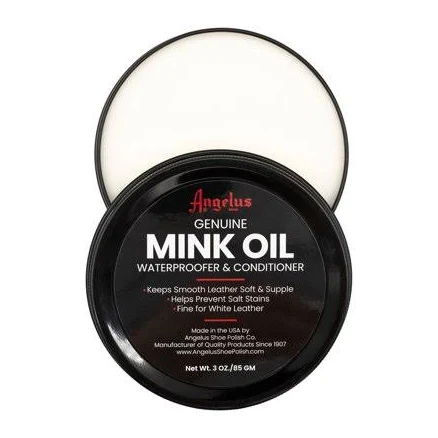
Angelus
Mink Oil Paste Leather Waterproofer and Contitioner 3 oz
- mink oil paste, natural oil-based conditioner
- We found no PFAS statement from the brand
- Microbial growth (natural oil rancidity)
2 hazards checked on this product. See all of them.
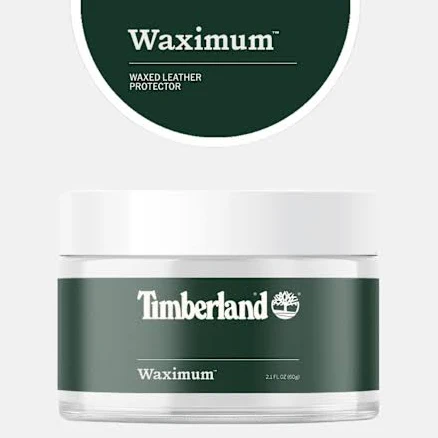
Timberland
Waximum Waxed Leather Protector
- Wax-based leather protector
- We found no PFAS statement from the brand
- Volatile organic compounds (VOCs) from solvents
3 hazards checked on this product. See all of them.
More fabric stain guard sprays grades
How we score, every product runs through the same public 0-100 rubric based on materials, coatings, brand disclosure, lab findings, and recalls. See the full methodology → Spotted a mistake? Report an error.