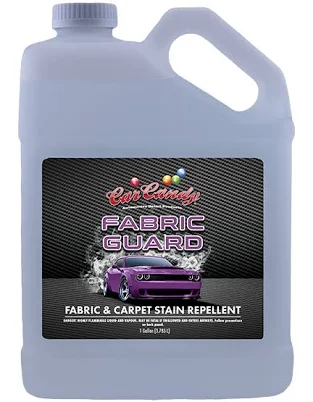
Fabric Guard Carpet Stain Protectant
Avoid this product; carpet protectant formulations likely contain PFAS.
Stays silent on PFAS content or absence. Carpet stain protectants routinely contain fluorinated compounds to repel liquids and stains, a significant PFAS concern without disclosure.
Still want this one anyway? Check the price on Amazon. We’d swap it.
Material
proprietary stain protectant coating
Brand disclosure
Brand is silent on PFAS
Lab data
No public lab test
You may also be interested in
Top-graded picks in the categories readers replace first, every one scored on the same rubric.

- polypropylene filter housing, carbon/sediment cartridge
- We found no PFAS statement from the brand
- Bacterial growth in spent cartridges
3 hazards checked on this product, all on its full breakdown.

Aquasure
Premier Series 75 GPD Under Sink Reverse Osmosis Water Filtration System
- RO membrane, carbon filters, stainless steel housing
- We found no PFAS statement from the brand
- Bacterial and microbial growth in housing and filters
4 hazards checked on this product, all on its full breakdown.

Avocado
Vegan Mattress
- organic cotton, natural latex, coconut coir, recycled steel coils
- The brand calls it PFAS-free, which we have not verified
- Heavy metals
2 hazards checked on this product, all on its full breakdown.
What Fabric Guard Carpet Stain Protectant is made of, ingredients and materials
Fabric Guard is a proprietary stain protectant spray applied topically to carpet and upholstered fabrics. Carpet protectants of this type typically use fluorochemical compounds to create water and oil repellency, though the brand does not disclose specific active ingredients. The opaque formulation means consumers cannot verify whether legacy PFAS (like PFOA) or newer alternatives (like GenX or PFBS) are present, and proprietary formulas are often reformulated without public notice.
What’s concerning
Category baseline
The starting point for this type of product, before anything specific to this product is counted.
No PFAS disclosure
No public statement from the brand about PFAS in this product.
Waterproof / stain-resistant treatment
Water-repellent coating treatments have historically used PFAS.
PFAS
Graded separately as Poor (40/100). Proprietary fluorochemical-based stain guards are the primary PFAS exposure route in home textiles; The brand's silence on this hazard and lack of reformulation commitment indicate unresolved risk.
Source, ATSDR ↗Volatile organic compounds (VOC) / inhalation risk
Spray application releases aerosols and solvents; no VOC content disclosed. Exposure during application and drying poses respiratory irritation risk, particularly in poorly ventilated spaces or for sensitive populations.
Skin and eye irritation from spray contact
Stain protectant sprays are documented to cause irritation on direct contact; no specific toxicity data for this formulation is publicly available, but aerosol format increases accidental exposure risk during application.
Persistence in fabric and indoor dust
Fluorochemical treatments bind tightly to fibers and shed into household dust and air; this prolongs indoor exposure and potential ingestion pathways beyond the initial application.
What’s reassuring
Formaldehyde / VOCs
No public recall or disclosure indicates formaldehyde-releasing preservatives, but proprietary status means potential presence cannot be ruled out; textile treatment sprays occasionally contain these to prevent microbial growth during storage.
Source, ATSDR ↗How is this PFAS grade calculated?
The brand's record and disclosure
The brand has not published a public PFAS reduction commitment or safety data sheet accessible to consumers discussing fluorochemical content. The company maintains silence on this hazard class despite decades of known PFAS risks in textile treatments. No major third-party certifications (such as Cradle to Cradle, OEKO-TEX, or Bluesign) appear on packaging or marketing materials, which would otherwise signal independent chemical scrutiny.
How it compares in its category
Most commercial carpet protectants rely on fluorochemicals for durability, making this category broadly problematic for PFAS exposure. Alternatives include non-fluorinated polymeric coatings (less durable but lower hazard), enzyme-based cleaners applied after spills, or professional-grade silicone-based treatments. Some specialty brands now advertise PFAS-free formulas, though verification remains difficult; consumer demand has driven some reformulation, but the brand has not publicly joined this trend.
If you buy it
Apply in well-ventilated areas to minimize inhalation of spray aerosols. Allow fabric to dry completely before contact with skin or food. Reapplication is typically recommended annually or after heavy cleaning. If seeking a stain protectant, first evaluate whether it is necessary; regular vacuuming and prompt spot-cleaning with water or mild detergent solve most staining without chemical application.
What is not known about PFAS in this product?
- Basis
- Model estimate, 35% confidence, not a lab result
- Lab test
- None on record for this exact product
- Brand statement
- has made none
Formulations change between production runs, so check the current label. How we grade.
What are the PFAS-free alternatives to Fabric Guard Carpet Stain Protectant?
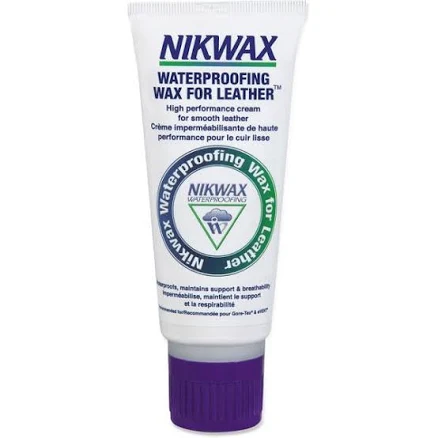
- wax-based waterproofing
- The brand calls it PFAS-free, which we have not verified
- Respiratory irritation or fume inhalation during application
2 hazards checked on this product, all on its full breakdown.
Find an alternative on Amazon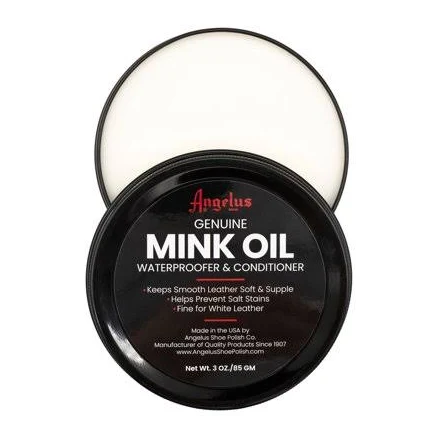
- mink oil paste, natural oil-based conditioner
- We found no PFAS statement from the brand
- Microbial growth (natural oil rancidity)
2 hazards checked on this product, all on its full breakdown.
Find an alternative on Amazon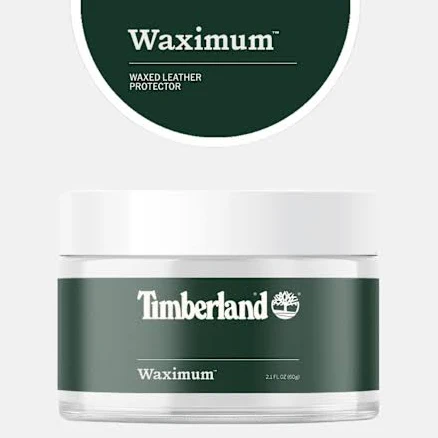
- Wax-based leather protector
- We found no PFAS statement from the brand
- Volatile organic compounds (VOCs) from solvents
3 hazards checked on this product, all on its full breakdown.
Find an alternative on AmazonMore fabric stain guard sprays grades
How we score, every product runs through the same public 0-100 rubric based on materials, coatings, brand disclosure, lab findings, and recalls. See the full methodology → Spotted a mistake? Report an error.