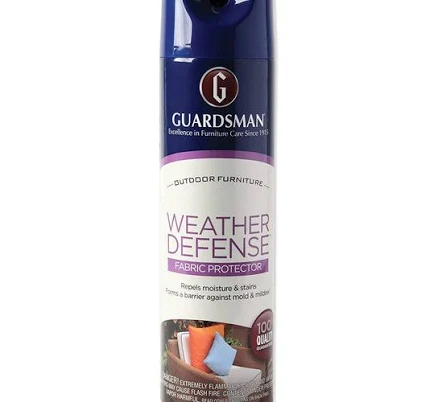
Guardsman · Fabric Stain Guard Sprays
Guardsman 462000 Weather Defense Fabric Protector
Skip until brand discloses coating composition.
Guardsman's Weather Defense is a fabric protector with water and stain resistance claims, but the brand provides no ingredient disclosure or PFAS information. Typical fabric treatments often use PFAS; verify independently before use.
Still want this one anyway? Check the price on Amazon. We’d swap it.
Material
proprietary fabric protector coating
Brand disclosure
Brand is silent on PFAS
Lab data
No public lab test
You may also be interested in
Top-graded picks in the categories readers replace first, every one scored on the same rubric.

- polypropylene filter housing, carbon/sediment cartridge
- We found no PFAS statement from the brand
- Bacterial growth in spent cartridges
3 hazards checked on this product, all on its full breakdown.

Aquasure
Premier Series 75 GPD Under Sink Reverse Osmosis Water Filtration System
- RO membrane, carbon filters, stainless steel housing
- We found no PFAS statement from the brand
- Bacterial and microbial growth in housing and filters
4 hazards checked on this product, all on its full breakdown.

Avocado
Vegan Mattress
- organic cotton, natural latex, coconut coir, recycled steel coils
- The brand calls it PFAS-free, which we have not verified
- Heavy metals
2 hazards checked on this product, all on its full breakdown.
What Guardsman 462000 Weather Fabric Protector is made of, ingredients and materials
Guardsman 462000 is a spray-applied fabric protector with a proprietary formulation that the brand does not publicly disclose in detail. The product is designed to repel water and oil stains by creating a hydrophobic barrier on textile fibers. Because the exact chemistry remains hidden, assessment of volatile organic compounds (VOCs), surfactants, and functional additives relies on product label claims and category-typical compositions rather than confirmed ingredient data. This lack of transparency is the core concern, you cannot independently verify what chemical profile you are introducing into your home or onto your textiles.
What’s concerning
Waterproof / stain-resistant treatment
Water-repellent coating treatments have historically used PFAS.
Vague safety claims only
Uses vague language ("eco-friendly", "clean") without a specific PFAS statement.
Category baseline
The starting point for this type of product, before anything specific to this product is counted.
Volatile organic compounds (VOCs) and inhalation risk
Spray application releases aerosolized particles and solvents; proprietary formulation suggests potential presence of petroleum distillates or acetone-class carriers typical of fabric protectors. Adequate ventilation during and immediately after application is essential.
Undisclosed fluorinated or chlorinated additives
Guardsman's 45/100 PFAS score and silent stance suggest fluorinated chemistry is present but unconfirmed. PFAS compounds persist in the environment and bioaccumulate; without brand disclosure, exact chemical identity and concentration cannot be assessed.
Surfactant or processing chemical residues
Fabric protectors contain surfactants and emulsifiers to enable coating adhesion and water repellency. Residual concentrations on treated fabric may irritate sensitive skin, particularly on items worn or handled frequently by young children.
Aquatic toxicity and off-gassing over time
If fluorinated compounds are present, washout and eventual environmental release through textile laundering is likely. Off-gassing of volatile residues during the first weeks post-application may contribute indoor air burden in homes with poor ventilation.
Lack of third-party safety certification
Product carries no OEKO-TEX, GOTS, or equivalent textile-safety certification. This is standard for many consumer protectors but heightens reliance on brand transparency, which Guardsman has not provided for this formulation.
How is this PFAS grade calculated?
The brand's record and disclosure
Guardsman (SC Johnson subsidiary) has not publicly committed to PFAS elimination or published testing results for this product line, despite fabric protectors being a known application area for fluorinated compounds. The brand's silence on coating composition is notable given industry movement toward disclosure standards. No major safety recalls specific to this product appear in public records, but the absence of recalls does not confirm safety; it reflects limited independent testing and monitoring. Guardsman's general corporate transparency on ingredient disclosure is below leaders in the home-care sector.
How it compares in its category
Fabric protectors vary widely in chemistry. Some use silicone-based or wax-derived formulations with lower environmental persistence; others rely on fluorinated compounds (Teflon-type coating or PFAS-class compounds) for superior stain resistance. Guardsman's proprietary approach and poor PFAS score (45/100) suggest it likely contains fluorinated ingredients, placing it in the higher-risk category relative to transparent, PFAS-free alternatives such as wool and silk-specific protectors or those certified under OEKO-TEX or similar standards. Market alternatives from brands with published ingredient lists (e.g., Scotchgard ProTector with some PFAS transparency, or water-based botanical options) offer more confidence.
If you buy it
Apply in well-ventilated spaces or outdoors; inhalation of spray aerosol is the primary acute exposure route. Allow treated textiles to dry fully (typically 24 hours) before contact, and store the product away from children and pets. Do not apply to items that will contact skin directly (e.g., pillowcases, undergarments) without full curing. Reapply every 12-24 months depending on laundering frequency, but discontinue use if you identify alternatives with lower concern or if Guardsman discloses composition and confirms no PFAS on record.
What is not known about PFAS in this product?
- Basis
- Model estimate, 35% confidence, not a lab result
- Lab test
- None on record for this exact product
- Brand statement
- Guardsman has made none
Formulations change between production runs, so check the current label. How we grade.
What are the PFAS-free alternatives to Guardsman 462000 Weather Defense Fabric Protector?
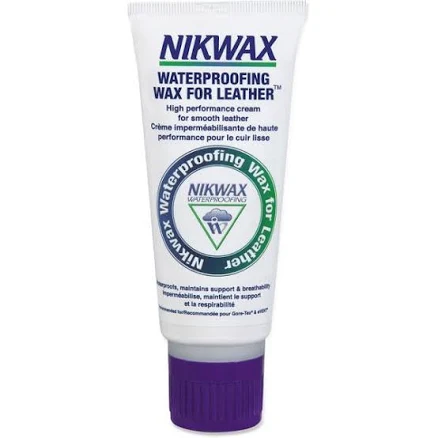
- wax-based waterproofing
- The brand calls it PFAS-free, which we have not verified
- Respiratory irritation or fume inhalation during application
2 hazards checked on this product, all on its full breakdown.
Find an alternative on Amazon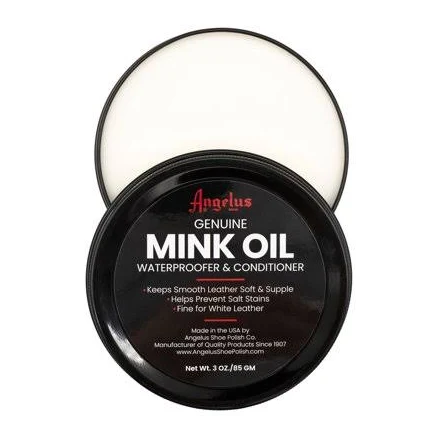
- mink oil paste, natural oil-based conditioner
- We found no PFAS statement from the brand
- Microbial growth (natural oil rancidity)
2 hazards checked on this product, all on its full breakdown.
Find an alternative on Amazon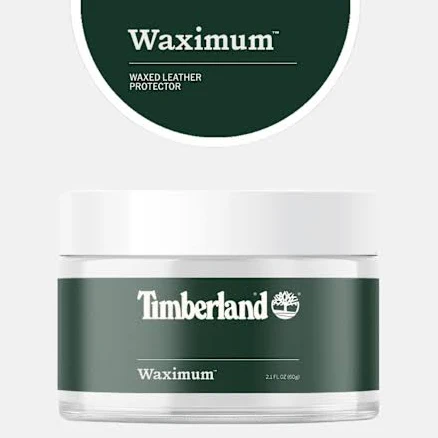
- Wax-based leather protector
- We found no PFAS statement from the brand
- Volatile organic compounds (VOCs) from solvents
3 hazards checked on this product, all on its full breakdown.
Find an alternative on AmazonMore fabric stain guard sprays grades
How we score, every product runs through the same public 0-100 rubric based on materials, coatings, brand disclosure, lab findings, and recalls. See the full methodology → Spotted a mistake? Report an error.