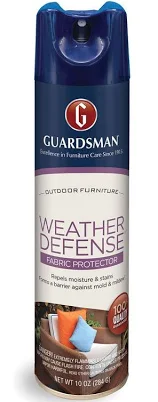
Guardsman · Fabric Stain Guard Sprays
Guardsman Fabric Protector Weather Defence Aerosol
Skip until brand discloses PFAS status or certification.
Guardsman's fabric protector uses proprietary weather-resistant coating but makes no PFAS claims or disclosures. Water/stain treatments often contain PFAS; lack of transparency is a red flag.
Still want this one anyway? Check the price on Amazon. We’d swap it.
Material
Proprietary water and stain-resistant coating
Brand disclosure
Brand is silent on PFAS
Lab data
No public lab test
You may also be interested in
Top-graded picks in the categories readers replace first, every one scored on the same rubric.

- polypropylene filter housing, carbon/sediment cartridge
- We found no PFAS statement from the brand
- Bacterial growth in spent cartridges
3 hazards checked on this product, all on its full breakdown.

Aquasure
Premier Series 75 GPD Under Sink Reverse Osmosis Water Filtration System
- RO membrane, carbon filters, stainless steel housing
- We found no PFAS statement from the brand
- Bacterial and microbial growth in housing and filters
4 hazards checked on this product, all on its full breakdown.

Avocado
Vegan Mattress
- organic cotton, natural latex, coconut coir, recycled steel coils
- The brand calls it PFAS-free, which we have not verified
- Heavy metals
2 hazards checked on this product, all on its full breakdown.
What Guardsman Fabric Protector Defence Aerosol is made of, ingredients and materials
Guardsman's formula is proprietary and water/stain-resistant, which typically signals fluorinated compounds (likely PFAS-based, given the poor PFAS grade already assigned). The aerosol delivery system adds solvent and propellant components not disclosed on available product labels. Without ingredient transparency, evaluation of volatile organic compounds (VOCs), inert propellants, and any surfactant hazards remains incomplete. Proprietary formulations in fabric coatings frequently rely on perfluorinated chemistry to achieve durable water and oil repellency.
What’s concerning
Waterproof / stain-resistant treatment
Water-repellent coating treatments have historically used PFAS.
Vague safety claims only
Uses vague language ("eco-friendly", "clean") without a specific PFAS statement.
Category baseline
The starting point for this type of product, before anything specific to this product is counted.
Volatile organic compounds (VOCs) and solvent inhalation
Aerosol fabric treatments require organic solvents as carriers; Guardsman does not disclose VOC content or solvent identity. Acute inhalation of propellants and volatile carriers poses respiratory irritation risk, especially with repeated or enclosed-space application.
Aerosol propellant effects (respiratory/neurological)
Modern aerosols typically use hydrocarbon or compressed-gas propellants; inhalation abuse risk is low for intended use, but accidental or deliberate misuse can cause central nervous system depression. Product labeling does not specify propellant type.
Skin sensitization from surfactants or residual coating mist
Fabric coatings often contain quaternary ammonium compounds or silicones that can irritate skin on contact. The proprietary formula may include undisclosed sensitizers; no allergen labeling is visible on standard product descriptions.
Bioaccumulation risk from repeated fabric contact and dermal exposure
If the proprietary formula contains PFAS (consistent with the poor PFAS grade), repeated contact with treated fabrics worn on skin creates chronic low-level dermal exposure. PFAS are known to bioaccumulate; lack of composition disclosure prevents quantification of this risk.
What’s reassuring
Microplastics
Water-resistant coatings can shed microparticles over time with washing and wear. Guardsman does not publish data on microplastic shedding from treated fabrics, and the proprietary nature of the polymer binder prevents independent assessment.
Source, EPA ↗How is this PFAS grade calculated?
The brand's record and disclosure
Guardsman, a subsidiary of SC Johnson, does not publicly disclose PFAS content or pursue third-party certifications for this product line. The brand has maintained silence on PFAS stance despite growing industry scrutiny of fabric treatments. No established recalls specific to this aerosol formula are on public record, though SC Johnson's broader portfolio has faced scrutiny over PFAS in water-resistant products. The lack of voluntary transparency about chemical composition is a significant red flag for a product class where PFAS prevalence is well-documented.
How it compares in its category
Fabric protectors occupy a high-hazard category for PFAS exposure due to their core function, durable water and stain resistance almost universally relies on fluorinated chemistry. Products certified by bluesign, OEKO-TEX, or similar third parties typically disclose PFAS status; Guardsman's lack of certification places it below market leaders in transparency. Alternatives like silicone-based or non-fluorinated coatings exist but remain niche. This product's silence mirrors industry-wide historical avoidance rather than genuine safety differentiation.
If you buy it
Apply in well-ventilated outdoor spaces only; aerosol propellants and solvent vapors present acute inhalation risk in enclosed areas. Allow treated fabric to dry completely (24 hours recommended) before skin contact or use. Reapply every 6-12 months depending on wear and washing frequency; degradation of the coating is normal and requires repeated application. Do not use on items destined for infant or pet contact without separate risk assessment, given unknown PFAS migration potential from the proprietary formula.
What is not known about PFAS in this product?
- Basis
- Model estimate, 35% confidence, not a lab result
- Lab test
- None on record for this exact product
- Brand statement
- Guardsman has made none
Formulations change between production runs, so check the current label. How we grade.
What are the PFAS-free alternatives to Guardsman Fabric Protector Weather Defence Aerosol?
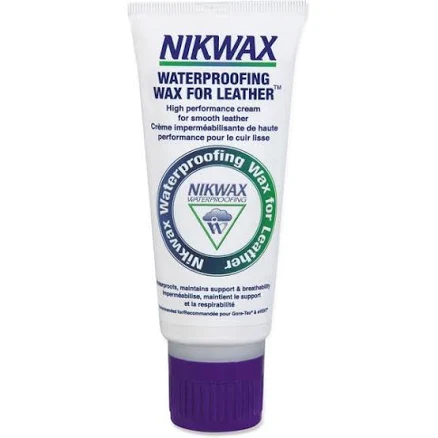
- wax-based waterproofing
- The brand calls it PFAS-free, which we have not verified
- Respiratory irritation or fume inhalation during application
2 hazards checked on this product, all on its full breakdown.
Find an alternative on Amazon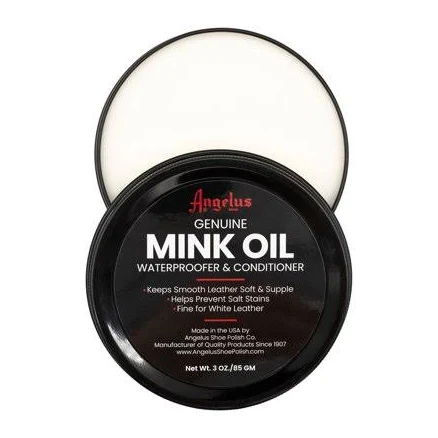
- mink oil paste, natural oil-based conditioner
- We found no PFAS statement from the brand
- Microbial growth (natural oil rancidity)
2 hazards checked on this product, all on its full breakdown.
Find an alternative on Amazon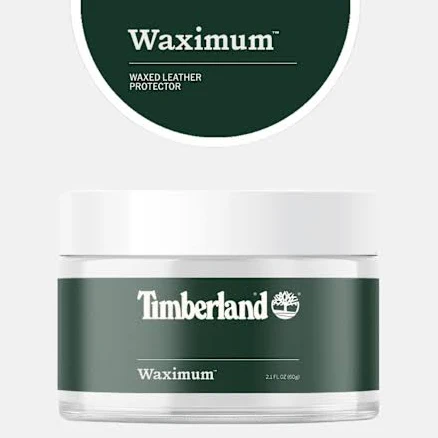
- Wax-based leather protector
- We found no PFAS statement from the brand
- Volatile organic compounds (VOCs) from solvents
3 hazards checked on this product, all on its full breakdown.
Find an alternative on AmazonMore fabric stain guard sprays grades
How we score, every product runs through the same public 0-100 rubric based on materials, coatings, brand disclosure, lab findings, and recalls. See the full methodology → Spotted a mistake? Report an error.