Indoor Upholstery Fabric Protector
Skip unless the brand discloses coating chemistry or certifies PFAS-free.
The brand's upholstery protector uses undisclosed water and stain-resistant coatings, a common PFAS application. No public testing or third-party verification is accessible.
Still want this one anyway? Check the price on Amazon. We’d swap it.
Material
Proprietary stain and water repellent coating on fabric
Brand disclosure
Brand is silent on PFAS
Lab data
No public lab test
You may also be interested in
Top-graded picks in the categories readers replace first, every one scored on the same rubric.

- polypropylene filter housing, carbon/sediment cartridge
- We found no PFAS statement from the brand
- Bacterial growth in spent cartridges
3 hazards checked on this product, all on its full breakdown.

Aquasure
Premier Series 75 GPD Under Sink Reverse Osmosis Water Filtration System
- RO membrane, carbon filters, stainless steel housing
- We found no PFAS statement from the brand
- Bacterial and microbial growth in housing and filters
4 hazards checked on this product, all on its full breakdown.

Avocado
Vegan Mattress
- organic cotton, natural latex, coconut coir, recycled steel coils
- The brand calls it PFAS-free, which we have not verified
- Heavy metals
2 hazards checked on this product, all on its full breakdown.
What Indoor Upholstery Fabric Protector is made of, ingredients and materials
Fabric Protector is a liquid-applied stain and water repellent treatment with proprietary formulation, typically based on silicone or hydrocarbon polymers, applied as a topcoat to upholstery fibers. The exact chemistry, including whether fluorochemicals (PFAS) are used for water beading, is not disclosed publicly by the brand. This opacity is the primary concern, effective water and stain repellency on textiles often relies on PFAS compounds, which are persistent and bioaccumulative, though non-PFAS alternatives (silicones, waxes) exist and are used by competitors.
What’s concerning
Category baseline
The starting point for this type of product, before anything specific to this product is counted.
Vague safety claims only
Uses vague language ("eco-friendly", "clean") without a specific PFAS statement.
Waterproof / stain-resistant treatment
Water-repellent coating treatments have historically used PFAS.
Volatile Organic Compounds (VOCs) and solvent inhalation
Liquid fabric protectors commonly contain hydrocarbon solvents or alcohols as carriers. Inhalation during application and drying can cause respiratory irritation or headache, especially in poorly ventilated spaces or for sensitive individuals. The brand does not publicly disclose VOC content or solvent identity.
Coating buildup and fiber degradation
Repeated applications of protectant coatings can accumulate on fabric fibers, stiffening texture, trapping dirt, or interfering with water-based cleaning or future treatments. Removal may require aggressive cleaning, potentially damaging delicate upholstery. The brand does not address compatibility with alternative cleaning or re-coating protocols.
Skin or eye contact during application
Liquid protectants are irritants if splashed on skin or eyes. Standard precautions (gloves, eye protection, washing) mitigate risk, but label instructions should be reviewed. No specific toxicity data for the brand's formulation is published.
PFAS
Water and stain repellency of this durability class has historically relied on PFAS or related fluorochemicals. The brand's silence on formulation, combined with a moderate PFAS risk grade (45/100), suggests fluorochemicals may be present but unconfirmed. This is the decisive reason to request disclosure or switch brands.
Source, ATSDR ↗What’s reassuring
Formaldehyde / VOCs
No public recall or testing data indicates formaldehyde in Fabric Protector. Formaldehyde is rare in water-repellent coatings (more common in textile dyes and finishes applied during manufacture). Absence of reports does not confirm absence of the chemical.
Source, ATSDR ↗How is this PFAS grade calculated?
The brand's record and disclosure
The brand has not published ingredient disclosure, PFAS testing results, or PFAS-free certification for this product as of available public records. The company has issued no public statement on fluorochemical use or phase-out plans. This silence contrasts with competitors (e.g., some boutique fabric care lines) that explicitly market PFAS-free formulations or provide safety data sheets. Without third-party testing or brand commitment, PFAS presence cannot be ruled out.
How it compares in its category
Fabric protectors divide into PFAS-based (fastest-drying, longest-lasting water repellency) and alternatives without intentional PFAS content (silicone or wax coatings, slightly shorter durability). The brand is a mainstream product in the PFAS-opacity tier; it competes against both labeled PFAS-free brands and unlabeled products of similar chemistry. Consumer Reports and independent testing have not published comparative safety data for this specific brand, leaving relative risk assessment incomplete.
If you buy it
Apply in well-ventilated spaces or outdoors; inhalation of aerosolized coating particles should be minimized. Follow label instructions for drying time and fabric compatibility before seating. Reapplication is typically needed every 12-24 months depending on use and cleaning frequency. If you have concerns about PFAS exposure, contact directly for product composition details or consider switching to a competitor with published PFAS-free certification.
What is not known about PFAS in this product?
- Basis
- Model estimate, 45% confidence, not a lab result
- Lab test
- None on record for this exact product
- Brand statement
- has made none
Formulations change between production runs, so check the current label. How we grade.
What are the PFAS-free alternatives to Indoor Upholstery Fabric Protector?
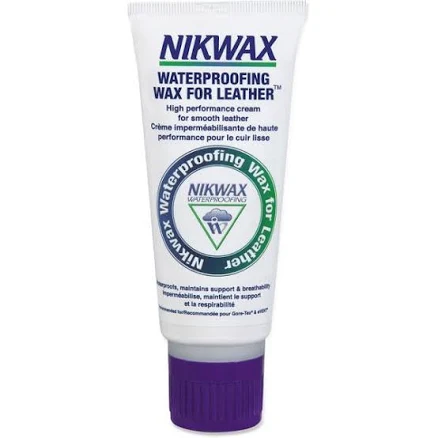
- wax-based waterproofing
- The brand calls it PFAS-free, which we have not verified
- Respiratory irritation or fume inhalation during application
2 hazards checked on this product, all on its full breakdown.
Find an alternative on Amazon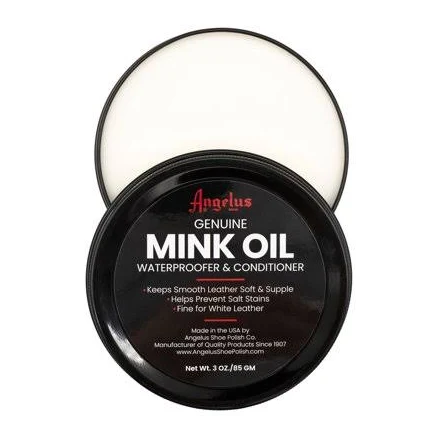
- mink oil paste, natural oil-based conditioner
- We found no PFAS statement from the brand
- Microbial growth (natural oil rancidity)
2 hazards checked on this product, all on its full breakdown.
Find an alternative on Amazon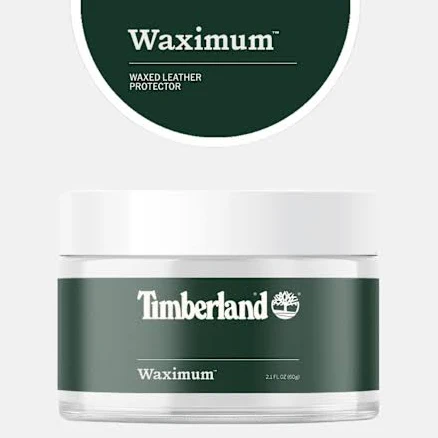
- Wax-based leather protector
- We found no PFAS statement from the brand
- Volatile organic compounds (VOCs) from solvents
3 hazards checked on this product, all on its full breakdown.
Find an alternative on AmazonMore fabric stain guard sprays grades
How we score, every product runs through the same public 0-100 rubric based on materials, coatings, brand disclosure, lab findings, and recalls. See the full methodology → Spotted a mistake? Report an error.