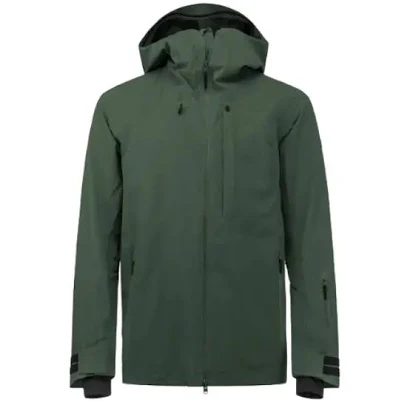
Head · Ski & Snowboard Jackets
Head Kore Nordic Jacket Men 2024
Skip until Head discloses water-repellent coating chemistry. Waterproof jackets commonly use PFAS.
The Head Kore Nordic Jacket is a technical ski/winter jacket with water-repellent treatment, a category where PFAS-based water-repellent coating remains industry standard. Head does not publicly disclose what water-repellent chemistry they use.
Still want this one anyway? Check the price on Amazon. We’d swap it.
Material
Synthetic fabric with water-repellent coating (water-repellent coating) coating
Brand disclosure
Brand is silent on PFAS
Lab data
No public lab test
What Head Kore Nordic Jacket Men 2024 is made of, ingredients and materials
The Head Kore Nordic Jacket uses synthetic fabric (polyester or nylon blend typical for this product line) with a water-repellent coating (water-repellent coating) finish. water-repellent coating coatings on outerwear are nearly always fluorine-based (PFAS-containing) unless explicitly labeled otherwise, because non-fluorinated alternatives sacrifice water repellency and durability. The synthetic shell itself poses minimal toxicity risk, but the water-repellent coating chemistry is the critical unknown variable here.
What’s concerning
Category baseline
The starting point for this type of product, before anything specific to this product is counted.
No PFAS disclosure
No public statement from the brand about PFAS in this product.
Waterproof / stain-resistant treatment
Water-repellent coating treatments have historically used PFAS.
water-repellent coating leachability
Unknown fluorinated or non-fluorinated water-repellent coating chemistry may leach into skin or wash water over the jacket's lifetime, particularly with frequent laundering or high-temperature exposure. No brand data available.
Off-gassing and VOC emissions
Fresh synthetic jackets may release low levels of volatile organics during initial storage and use due to the water-repellent coating and dyes. Airing the jacket outdoors for 24 hours before first wear and in well-ventilated spaces reduces exposure.
What’s reassuring
Formaldehyde / VOCs
Polyester and nylon ski-jacket shells do not typically require formaldehyde-based dyes or finishes for durability; no formaldehyde risk has been reported for Head outerwear specifically.
Source, ATSDR ↗Heavy metals
Head ski jackets are manufactured to CE/FIS standards in Europe, which enforce restrictions on restricted azo dyes and cadmium/lead in colorants. No contamination has been documented.
Source, FDA ↗Flame retardants
Ski jackets are not typically treated with added flame retardants beyond the inherent fire performance of polyester and nylon; no legacy or novel flame-retardant chemicals have been reported in this product line.
Source, EPA ↗The full breakdown
The brand's record and disclosure
Head does not publicly disclose the specific water-repellent coating chemistry used in their ski jackets, nor do they maintain a published PFAS reduction roadmap or third-party certification (e.g., Bluesign, GOTS). This silence is standard industry practice but represents a red flag for informed consumers. No major recalls or formaldehyde/heavy-metal contamination have been reported for Head outerwear in recent years.
How it compares in its category
Most mainstream ski jackets from brands like Salomon, Atomic, and Rossignol use similar synthetic shells with water-repellent coating finishes and provide equally opaque disclosure. Premium brands such as Patagonia and Arc'teryx have begun transitioning to PFAS-free water-repellent coating or publishing their chemical inventories. The Kore Nordic sits in the mid-tier market where PFAS-free alternatives exist but are not yet standard.
If you buy it
Wash infrequently (every 5-10 uses) with mild detergent to preserve the water-repellent coating finish without leaching coatings prematurely. Use warm water, not hot, and avoid fabric softeners. Dry on low heat or air-dry. Replace the jacket if the water-repellent coating visibly degrades (water no longer beads), as re-coating kits also often contain PFAS. Store dry in a well-ventilated space to prevent mold.
What we don’t know
- Basis
- Model estimate, 35% confidence, not a lab result
- Lab test
- None on record for this exact product
- Brand statement
- Head has made none
Formulations change between production runs, so check the current label. How we grade.
Better-graded alternatives in Ski & Snowboard Jackets
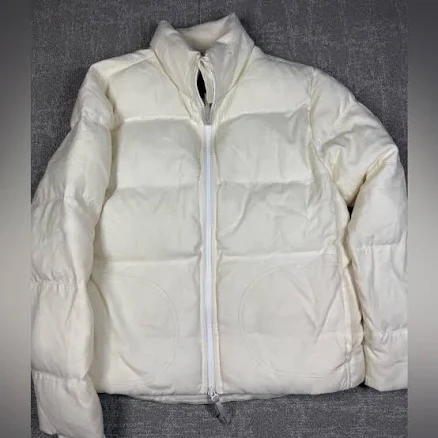
Allbirds
Jackets & Coats Allbirds Full Zip Wool Blend Puffer Jacket Women Size Small
- Wool blend with synthetic fill (likely polyester)
- We found no PFAS statement from the brand
- water-repellent coating (water-repellent coating) coating composition
3 hazards checked on this product. See all of them.
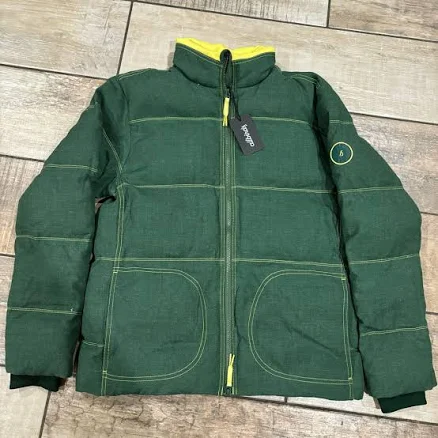
Allbirds
Jackets & Coats Allbirds Men's Trino Puffer Jacket Full Zip Wool Blend Forest Green Coat Size Sm
- wool blend (natural fiber dominant)
- We found no PFAS statement from the brand
- water-repellent coating (water-repellent coating) treatment - undisclosed chemistry
2 hazards checked on this product. See all of them.
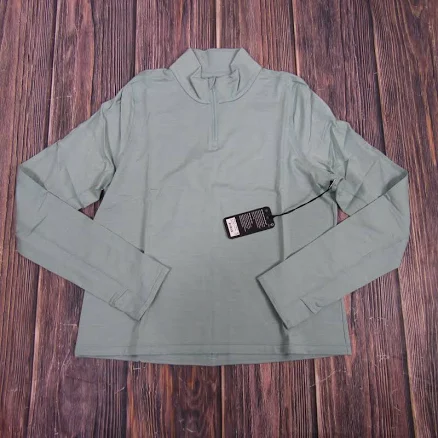
Allbirds
NWT Womens Medium Green Natural Run Mid Layer 1/4 Zip Jacket
- Merino wool blend (natural fiber)
- We found no PFAS statement from the brand
- Azo dyes and synthetic dye residue
3 hazards checked on this product. See all of them.
More ski & snowboard jackets grades
How we score, every product runs through the same public 0-100 rubric based on materials, coatings, brand disclosure, lab findings, and recalls. See the full methodology → Spotted a mistake? Report an error.