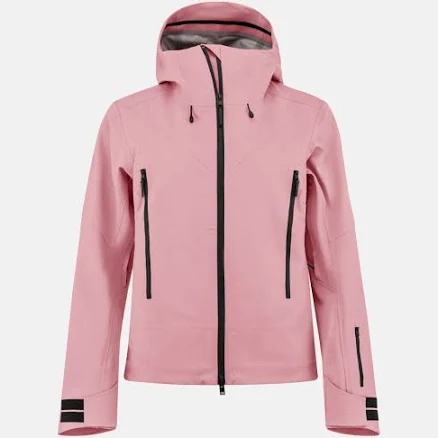
Head · Ski & Snowboard Jackets
KORE II Women's Jacket
Skip until Head discloses water-repellent coating chemistry; waterproof jackets commonly use PFAS.
Head's KORE II is a technical ski jacket with water-repellent coating treatment, a category historically reliant on PFAS-based chemistry. Head has not publicly disclosed the water-repellent coating formulation or made PFAS-free claims.
Still want this one anyway? Check the price on Amazon. We’d swap it.
Material
Synthetic blend with water-repellent coating (unspecified)
Brand disclosure
Brand is silent on PFAS
Lab data
No public lab test
What KORE II Women's Jacket is made of, ingredients and materials
The KORE II uses a synthetic blend (likely polyester or nylon base) with a water-repellent coating (water-repellent coating) coating applied to the outer layer. water-repellent coating coatings shed water but are not breathable themselves; the breathability comes from the jacket's membrane or lining underneath. The specific chemistry of Head's water-repellent coating is not disclosed publicly, which is the critical gap, most ski-jacket water-repellent coating finishes historically relied on long-chain PFAS (PFAS "forever chemicals"), though some manufacturers have shifted to shorter-chain or non-fluorinated alternatives without announcement.
What’s concerning
Category baseline
The starting point for this type of product, before anything specific to this product is counted.
No PFAS disclosure
No public statement from the brand about PFAS in this product.
Waterproof / stain-resistant treatment
Water-repellent coating treatments have historically used PFAS.
PFAS
Not confirmed but standard for ski jackets at this price point and brand tier. Head's silence on the issue suggests traditional long-chain PFAS formulations remain in use. PFAS bioaccumulates and is not fully removable by washing.
Source, ATSDR ↗Coating degradation and microfiber shedding during wash
As water-repellent coating breaks down over time and laundering, synthetic shell material sheds microfibers into wastewater. This is inherent to synthetic outerwear; mitigation via microfiber-catching wash bags is recommended.
Breath-ability loss if water-repellent coating fails unevenly
Patchy water-repellent coating failure can trap moisture under the shell without improving water shedding, reducing jacket performance and potentially leading to mold growth inside the garment. This is a maintenance issue rather than a chemical hazard but affects usability and hygiene.
What’s reassuring
Formaldehyde / VOCs
No recalls or warnings specific to the KORE II. Synthetic jackets may contain residual formaldehyde from yarn processing, but ski apparel undergoes typical industrial finish standards. Risk is low if jacket is rinsed before wear.
Source, ATSDR ↗Heavy metals
No specific hazard reported for this model. Ski jackets are not typically flagged for azo dye or cadmium/lead issues, though some dark colorways may carry slightly higher pigment load. Industry standard testing is infrequent at this category tier.
Source, FDA ↗The full breakdown
The brand's record and disclosure
Head does not publicly disclose the water-repellent coating chemistry or confirm use of PFAS-free alternatives for the KORE II or their broader outerwear line. The brand has not published a formal PFAS phase-out commitment as of available records. This silence is common in the ski industry but represents a transparency gap; competitors like Patagonia and Arc'teryx have committed to PFAS reduction and disclosed alternatives. Without direct confirmation from Head, the default assumption for a budget-tier ski jacket is that traditional long-chain PFAS water-repellent coating may be in use.
How it compares in its category
Ski jackets across all price points commonly use fluorinated water-repellent coating coatings due to their superior water-shedding performance and durability in wet, cold conditions. Mid-range brands like Head typically do not lead in materials transparency; premium brands (Arc'teryx, Patagonia, Black Diamond) increasingly disclose PFAS-free water-repellent coating or commit to phase-out timelines. The KORE II is positioned as an entry-to-mid performance jacket, so water-repellent coating durability over environmental transparency is the likely design priority.
If you buy it
Wash separately in cold water using a gentle detergent; avoid fabric softeners and bleach, which degrade the water-repellent coating. Air dry fully before storage to prevent mildew. Reapply water-repellent coating every 1-2 seasons depending on use frequency (watch for water beading on the shell; when it stops, the coating has worn). Never dry clean or expose to high heat. If PFAS exposure is a concern, consider requesting Head's certificate of compliance or water-repellent coating product specification before purchase.
What we don’t know
- Basis
- Model estimate, 35% confidence, not a lab result
- Lab test
- None on record for this exact product
- Brand statement
- Head has made none
Formulations change between production runs, so check the current label. How we grade.
Better-graded alternatives in Ski & Snowboard Jackets
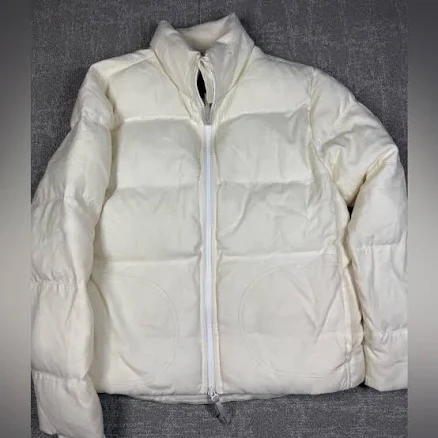
Allbirds
Jackets & Coats Allbirds Full Zip Wool Blend Puffer Jacket Women Size Small
- Wool blend with synthetic fill (likely polyester)
- We found no PFAS statement from the brand
- water-repellent coating (water-repellent coating) coating composition
3 hazards checked on this product. See all of them.
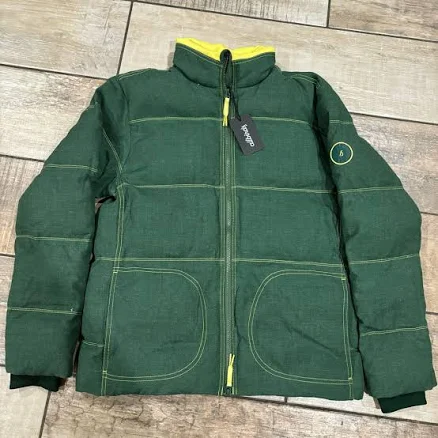
Allbirds
Jackets & Coats Allbirds Men's Trino Puffer Jacket Full Zip Wool Blend Forest Green Coat Size Sm
- wool blend (natural fiber dominant)
- We found no PFAS statement from the brand
- water-repellent coating (water-repellent coating) treatment - undisclosed chemistry
2 hazards checked on this product. See all of them.
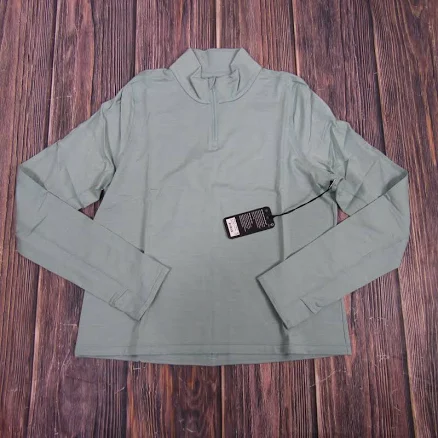
Allbirds
NWT Womens Medium Green Natural Run Mid Layer 1/4 Zip Jacket
- Merino wool blend (natural fiber)
- We found no PFAS statement from the brand
- Azo dyes and synthetic dye residue
3 hazards checked on this product. See all of them.
More ski & snowboard jackets grades
How we score, every product runs through the same public 0-100 rubric based on materials, coatings, brand disclosure, lab findings, and recalls. See the full methodology → Spotted a mistake? Report an error.