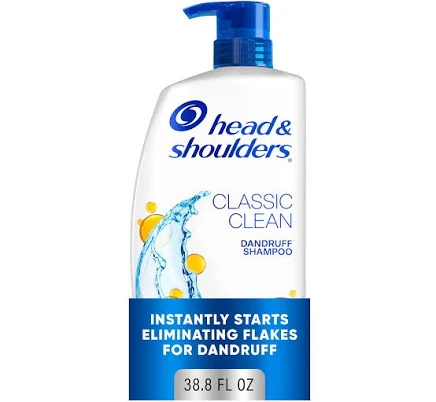
Head & Shoulders Anti-Dandruff Classic Clean Shampoo with Vitamin E
Lower PFAS concern for rinse-off cosmetic; brand silent on PFAS.
Head & Shoulders Classic Clean is a rinse-off shampoo with no known waterproofing or durable water repellency needs. No public PFAS claims or third-party verification available, but aqueous formulations typically lower risk than treated textiles or coated cookware.
We flunk more products than we pass. This one earned its grade. How we grade
Material
aqueous shampoo base with surfactants, silicones, and Vitamin E
Lab data
No public lab test
You may also be interested in
Top-graded picks in the categories readers replace first, every one scored on the same rubric.

- polypropylene filter housing, carbon/sediment cartridge
- We found no PFAS statement from the brand
- Bacterial growth in spent cartridges
3 hazards checked on this product, all on its full breakdown.

Aquasure
Premier Series 75 GPD Under Sink Reverse Osmosis Water Filtration System
- RO membrane, carbon filters, stainless steel housing
- We found no PFAS statement from the brand
- Bacterial and microbial growth in housing and filters
4 hazards checked on this product, all on its full breakdown.

Avocado
Vegan Mattress
- organic cotton, natural latex, coconut coir, recycled steel coils
- The brand calls it PFAS-free, which we have not verified
- Heavy metals
2 hazards checked on this product, all on its full breakdown.
What Head & Shoulders Anti-Dandruff Vitamin E is made of, ingredients and materials
Head & Shoulders Classic Clean is an aqueous shampoo base containing surfactants (cleansing agents), silicones (conditioning/slip agents), and vitamin E (antioxidant). The product is designed to rinse completely from hair and scalp, meaning exposure time and residual accumulation are minimal compared to leave-on cosmetics. Zinc pyrithione, the active antidandruff ingredient in this formula, is a well-characterized antimicrobial that has been used in dandruff shampoos for decades with an established safety profile at rinse-off concentrations.
What’s concerning
Category baseline
The starting point for this type of product, before anything specific to this product is counted.
No PFAS disclosure
No public statement from the brand about PFAS in this product.
Fragrance allergens
Head & Shoulders Classic Clean contains fragrance compounds; individuals with fragrance sensitivity or contact dermatitis may experience scalp irritation or allergic reaction. This is a recognized hazard class for rinse-off personal care products but is not specific to this brand or formula.
1,4-dioxane (process contaminant)
Ethoxylated surfactants commonly used in shampoos can contain trace 1,4-dioxane as a manufacturing byproduct. No specific test data for this product is publicly available; regulatory compliance suggests levels, if present, are below thresholds of concern, but independent verification is not disclosed.
Scalp irritation from zinc pyrithione
Zinc pyrithione is approved at specified concentrations (typically 1-2% in dandruff shampoos) but can cause mild scalp irritation, dryness, or allergic sensitization in a small subset of users. This is a known, manageable risk and not unique to Head & Shoulders.
What’s reassuring
Base material not linked to PFAS
The main material recorded for this product is not one associated with PFAS.
Heavy metals
No recalls or public reports of lead, cadmium, or arsenic contamination in Head & Shoulders shampoos. The product does not use pigments that typically concentrate heavy metals, and Procter & Gamble operates under FDA and international supplier oversight.
Source, FDA ↗Formaldehyde / VOCs
This shampoo formulation does not rely on formaldehyde-releasing preservatives (such as DMDM hydantoin or imidazolidinyl urea) according to publicly available ingredient disclosures. Modern formulations in this category typically use alternatives with lower concern profiles.
Source, ATSDR ↗How is this PFAS grade calculated?
The brand's record and disclosure
Procter & Gamble (Head & Shoulders' parent company) has not made public commitments specific to PFAS phase-out in personal care products, though the company maintains ingredient safety documentation for regulatory compliance. Head & Shoulders products are widely available and have not triggered major safety recalls related to heavy metals, formaldehyde releasers, or other legacy hazards in recent years. The brand complies with FDA and EU cosmetic ingredient restrictions but does not voluntarily disclose detailed third-party testing results or trace-level contaminant data.
How it compares in its category
This shampoo sits in the mainstream mass-market segment; it is formulated similarly to other national-brand dandruff shampoos (Selsun Blue, Nizoral) in terms of active ingredient concentration and rinse-off design. Specialty or natural brands may market lower silicone or synthetic-chemical-free alternatives, but Head & Shoulders' established history and regulatory compliance make it a typical, not elevated-risk, choice. The rinse-off nature of the product means dermal and ingestion exposures are substantially lower than leave-on treatments (conditioners, serums, sunscreens).
If you buy it
Use as directed; rinse thoroughly to minimize residue. Store in a cool, dry place away from direct sunlight to preserve vitamin E potency and prevent premature degradation of the formulation. No special handling or dilution is needed. If scalp irritation or allergic reaction develops, discontinue use and consult a healthcare provider; such reactions are rare but possible with any surfactant product, particularly in individuals with sensitive skin or scalp conditions.
What is not known about PFAS in this product?
- Basis
- Model estimate, 72% confidence, not a lab result
- Lab test
- None on record for this exact product
- Brand statement
- Head & Shoulders has made a specific claim
Formulations change between production runs, so check the current label. How we grade.
More shampoo grades
How we score, every product runs through the same public 0-100 rubric based on materials, coatings, brand disclosure, lab findings, and recalls. See the full methodology → Spotted a mistake? Report an error.