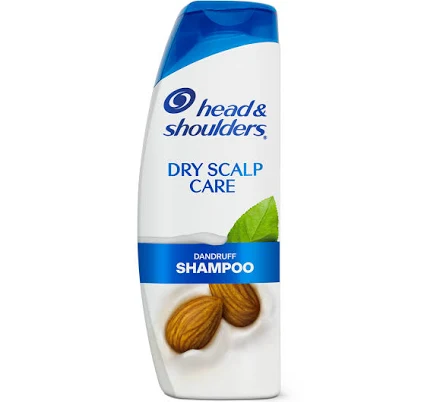
Head & Shoulders Dry Scalp Care Shampoo
Lower PFAS concern; typical personal care product without known risk factors.
Liquid shampoo formulated from surfactants and water lacks inherent PFAS triggers like water-repellent coatings or Teflon-family coating. Head & Shoulders has not disclosed PFAS policy, but ingredient class suggests lower exposure risk versus treated apparel or nonstick cookware.
We flunk more products than we pass. This one earned its grade. How we grade
Material
aqueous surfactant shampoo formulation
Lab data
No public lab test
You may also be interested in
Top-graded picks in the categories readers replace first, every one scored on the same rubric.

- polypropylene filter housing, carbon/sediment cartridge
- We found no PFAS statement from the brand
- Bacterial growth in spent cartridges
3 hazards checked on this product, all on its full breakdown.

Aquasure
Premier Series 75 GPD Under Sink Reverse Osmosis Water Filtration System
- RO membrane, carbon filters, stainless steel housing
- We found no PFAS statement from the brand
- Bacterial and microbial growth in housing and filters
4 hazards checked on this product, all on its full breakdown.

Avocado
Vegan Mattress
- organic cotton, natural latex, coconut coir, recycled steel coils
- The brand calls it PFAS-free, which we have not verified
- Heavy metals
2 hazards checked on this product, all on its full breakdown.
What Head & Shoulders Dry Scalp Care Shampoo is made of, ingredients and materials
Head & Shoulders Dry Scalp Care is an aqueous surfactant-based shampoo, meaning it uses water-soluble cleansing agents (likely sodium lauryl sulfate or similar anionic surfactants) plus pyrithione zinc as the active anti-dandruff ingredient. The formulation is designed to be rinsed away, minimizing skin absorption of most components. Unlike leave-on products (conditioners, serums), shampoos have brief contact time with skin, reducing cumulative exposure to any chemical of concern.
What’s concerning
Category baseline
The starting point for this type of product, before anything specific to this product is counted.
No PFAS disclosure
No public statement from the brand about PFAS in this product.
1,4-dioxane (contaminant in surfactants)
Anionic surfactants like sodium lauryl sulfate can contain trace 1,4-dioxane as a manufacturing byproduct. No specific testing of this product is on public record, but the risk is low in rinse-off products due to brief skin contact and no absorption of trace levels.
Fragrance allergens / undisclosed fragrance components
Head & Shoulders products list 'fragrance' as an ingredient without itemizing volatile or allergenic components (e.g., limonene, linalool). Individuals with fragrance sensitivity or scalp dermatitis may experience irritation; allergen reactions are usually mild and localized in shampoo use.
Pyrithione zinc systemic exposure
Pyrithione zinc is the active anti-dandruff agent and shows lower concern at low concentrations in rinse-off formulas. Dermal absorption is minimal due to brief contact; however, chronic use with compromised scalp barrier (cuts, open lesions) could increase local accumulation, though this is not established as a clinical concern.
What’s reassuring
Base material not linked to PFAS
The main material recorded for this product is not one associated with PFAS.
Heavy metals
No documented recalls or public testing showing lead, cadmium, or other heavy-metal contamination in Head & Shoulders shampoo formulations. Aqueous shampoos are lower risk than pigmented cosmetics (makeup, nail polish) where metal contamination is more common.
Source, FDA ↗Formaldehyde / VOCs
Standard shampoo preservative systems in this product class typically use phenoxyethanol, methylchloroisothiazolinone, or similar agents rather than formaldehyde-releasing compounds. No public disclosure or recalls suggest formaldehyde-releaser use in this product.
Source, ATSDR ↗How is this PFAS grade calculated?
The brand's record and disclosure
Procter & Gamble (Head & Shoulders' parent) has not made prominent public commitments to PFAS elimination in personal care, but the shampoo category itself carries lower PFAS risk than water-resistant cosmetics (foundations, mascara). No major recalls or documented heavy-metal contamination have been publicly reported for this specific product line. The brand provides ingredient listings on packaging and websites, supporting basic consumer transparency.
How it compares in its category
Rinse-off shampoos as a class pose lower chemical hazard than leave-on cosmetics because contact time is short and systemic absorption is minimal. Head & Shoulders Dry Scalp Care sits in the mainstream, mass-market segment; it lacks third-party certifications (organic, EWG verification) that some premium or indie brands offer, but also lacks the premium price markup. Performance and safety profile are typical for its category and price point.
If you buy it
Use as directed, apply to wet scalp, lather, and rinse thoroughly with water within 1-2 minutes. Avoid contact with eyes; if contact occurs, rinse immediately. Store in a cool, dry place away from direct heat or sunlight to prevent formula degradation. Replace when empty or if you notice separation, odor change, or visible particles, which may indicate microbial growth or chemical breakdown (typical shelf life is 2-3 years unopened).
What is not known about PFAS in this product?
- Basis
- Model estimate, 78% confidence, not a lab result
- Lab test
- None on record for this exact product
- Brand statement
- Head & Shoulders has made a specific claim
Formulations change between production runs, so check the current label. How we grade.
More shampoo grades
How we score, every product runs through the same public 0-100 rubric based on materials, coatings, brand disclosure, lab findings, and recalls. See the full methodology → Spotted a mistake? Report an error.