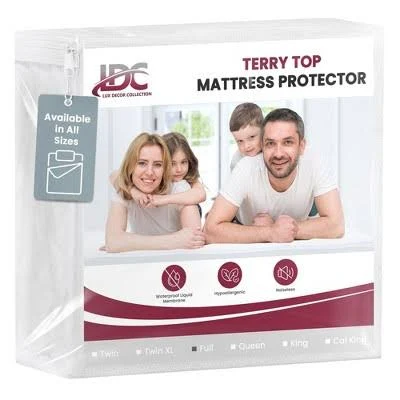
Fitted Mattress Protector
Avoid until reveals what waterproof material backs this protector.
This protector requires a waterproof barrier to shield the mattress interior, but won't say what it's made from. Waterproof textiles often use PFAS-based treatments.
The better-graded swap
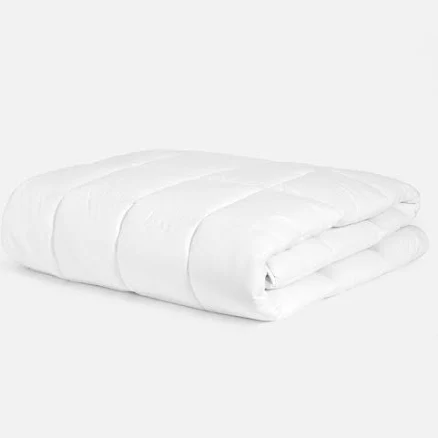
Brooklinen
Down Alternative Mattress Topper
75/100 safety
Same rubric that flunked this product. The swap earned Excellent.
Still want this one anyway? Check the price on Amazon. We’d swap it.
Material
Polyurethane or acrylic waterproof membrane coating
Brand disclosure
Brand is silent on PFAS
Lab data
No public lab test
Is Fitted Mattress Protector non-toxic? What it is made of
Fitted mattress protectors use a polyurethane or acrylic waterproof membrane bonded to a fabric backing. These coatings create a barrier against liquid penetration but introduce chemical concerns, polyurethane formulations may contain unreacted isocyanates or volatile additives during manufacturing, while acrylic coatings can off-gas during the first weeks of use. The specific composition and curing process determine whether residual chemicals remain after factory treatment. Without the brand's material specification, the actual risk profile cannot be precisely assessed.
What’s concerning
Category baseline
The starting point for this type of product, before anything specific to this product is counted.
No PFAS disclosure
No public statement from the brand about PFAS in this product.
Waterproof / stain-resistant treatment
Water-repellent coating treatments have historically used PFAS.
Off-gassing from polyurethane or acrylic coating
New polyurethane and acrylic membranes may release volatile organic compounds (VOCs) or unreacted monomers during the first weeks of use. Without product-specific ventilation or curing data from the brand, the extent of off-gassing cannot be quantified but is typical of waterproof synthetic coatings.
Coating degradation and microplastic shedding
Polyurethane and acrylic coatings degrade over time, especially with heat, mechanical stress (washing, stretching), or prolonged moisture exposure. As the membrane breaks down, it may shed microscopic particles into the bed environment, though direct health impact from this route is not well studied.
PFAS
The brand's silence on PFAS content in the waterproof backing is the primary concern. PFAS chemicals are widely used in industrial water-repellent coatings and persist in the environment and human tissue. Without explicit confirmation of PFAS-free formulation, this protector carries unquantified PFAS exposure risk.
Source, ATSDR ↗Contact dermatitis from residual coating chemicals
Individuals with sensitive skin or chemical sensitivities may experience skin irritation from residual isocyanates, plasticizers, or uncrosslinked polymers in the coating, particularly during the first use weeks. Proper airing before use reduces but may not eliminate this risk.
What’s reassuring
Formaldehyde / VOCs
No recalls or public reports link mattress protectors to formaldehyde-releasing fabric treatments or adhesives. However, the brand does not advertise formaldehyde-free certification, so this hazard remains unverified rather than ruled out.
Source, ATSDR ↗The full breakdown
The brand's record and disclosure
The brand has not publicly disclosed the waterproof membrane chemistry, PFAS-free claims, or third-party certifications (such as OEKO-TEX or GREENGUARD) for this protector. No product-specific recall history is on record for this model. The brand's silence on PFAS and coating composition contrasts with competitors who explicitly state PFAS avoidance or provide material safety data sheets. This lack of transparency limits confidence in the product's chemical safety profile.
How it compares in its category
Many mattress protectors in this category rely on polyurethane or acrylic waterproofing, making typical in construction but not exceptional in disclosure. Competing brands such as Avocado and some Tempurpedic protectors explicitly state PFAS-free waterproofing or use alternative barriers like thermoplastic polyurethane (TPU) with clearer safety data. The brand's lack of communication puts it below category leaders on transparency, though this does not prove the product is unsafe, only that the burden of verification falls on the consumer.
If you buy it
Air out the protector for 24 to 48 hours in a well-ventilated space before placing on the mattress to allow any off-gassing residue to dissipate. Machine wash in cool water with mild detergent; avoid high heat dryers or direct heat sources, which can degrade the coating and potentially release trapped chemicals. Inspect the membrane annually for cracking, peeling, or separation, as compromised coatings lose waterproof function and may shed microparticles. Replace every 5 to 7 years or sooner if the barrier shows visible wear.
What we don’t know
- Basis
- Model estimate, 45% confidence, not a lab result
- Lab test
- None on record for this exact product
- Brand statement
- has made none
Formulations change between production runs, so check the current label. How we grade.
Better-graded alternatives in Mattress Protectors
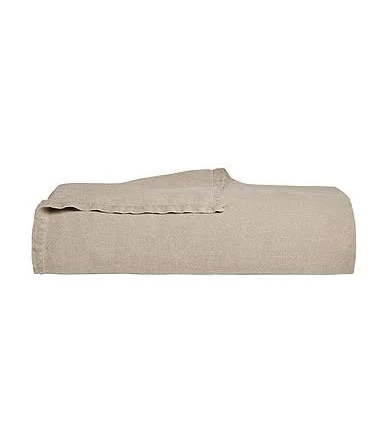
Parachute
Vintage Linen Bed Cover
- 100% linen, no reported coating
- We found no PFAS statement from the brand
- Heavy metals
3 hazards checked on this product. See all of them.
Brooklinen
Down Alternative Mattress Topper
- polyester down-alternative filling
- We found no PFAS statement from the brand
- Azo dyes and colorant migration
4 hazards checked on this product. See all of them.
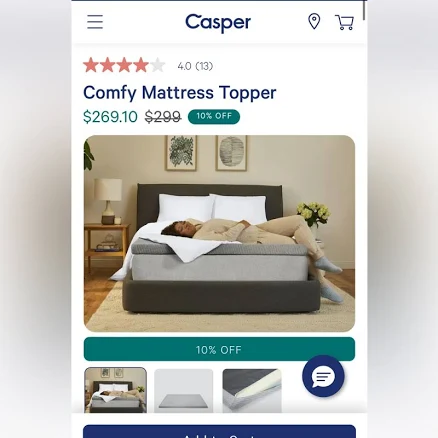
Casper
Sleep Comfy Mattress Topper
- Polyurethane foam, cotton/polyester blend cover
- We found no PFAS statement from the brand
- Volatile Organic Compound (VOC) off-gassing
3 hazards checked on this product. See all of them.
More mattress protectors grades
How we score, every product runs through the same public 0-100 rubric based on materials, coatings, brand disclosure, lab findings, and recalls. See the full methodology → Spotted a mistake? Report an error.