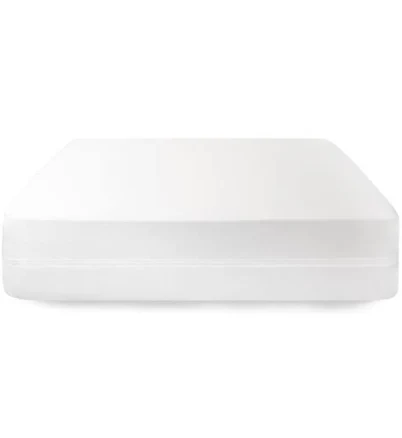
Helix Waterproof Mattress Encasement
Avoid until Helix shares what makes this product waterproof.
Helix's waterproof encasement blocks liquids through a coating kept secret by the brand. Waterproof treatments have historically used PFAS, but Helix won't confirm or deny.
The better-graded swap
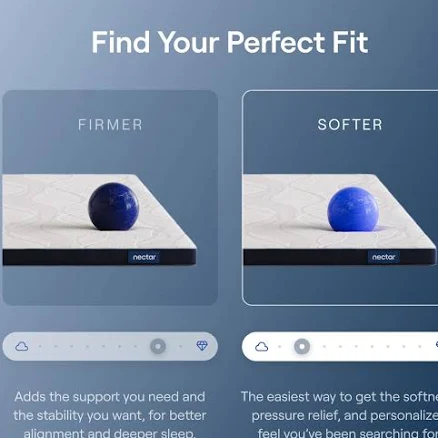
Nectar
Nectar Firmer Mattress Topper
75/100 safety
Same rubric that flunked this product. The swap earned Excellent.
Still want this one anyway? Check the price on Amazon. We’d swap it.
Material
Polyurethane/polyester fabric with waterproof coating (unspecified type)
Brand disclosure
Brand is silent on PFAS
Lab data
No public lab test
Is Helix Waterproof Mattress Encasement non-toxic? What it is made of
Helix's encasement uses a polyurethane-polyester fabric blend with an unspecified waterproof coating. The coating is the critical unknown, waterproofing is typically achieved with either PFAS-based fluorochemicals (most common and durable) or Teflon-type coating/silicone alternatives (lower concern but less common in budget products). Polyurethane itself is stable when applied as a backing; polyester substrate is inert. The real safety question is what makes the water barrier work, which Helix has not publicly disclosed.
What’s concerning
Category baseline
The starting point for this type of product, before anything specific to this product is counted.
No PFAS disclosure
No public statement from the brand about PFAS in this product.
Waterproof / stain-resistant treatment
Water-repellent coating treatments have historically used PFAS.
Waterproof coating leachates (fluorochemical or silicone-based)
Unspecified coating chemistry creates uncertainty. If PFAS-based, skin contact and off-gassing (especially when heated or washed) may release compounds into the bedroom microenvironment. If silicone-based, risk is lower but not zero; silicone can hydrolyze under alkaline detergent conditions.
Polyurethane off-gassing (volatile organic compounds)
Polyurethane backings can emit small amounts of polyol volatiles when new or exposed to warm/humid conditions. Risk is minimal for an encasement (contact surface only, not breathing air directly), but off-gassing odor is common in first weeks.
Microplastic shedding from coating or weave
Polyurethane coatings can micro-frag and shed particles when flexed or washed repeatedly. Polyester fabric itself sheds microfibers. These particles can accumulate in washing machines and (in theory) in skin microabrasions, though evidence of mattress encasement-specific harm is absent.
Mold or bacterial growth if encasement traps moisture
Waterproof encasements can create a sealed microenvironment; if moisture penetrates and is not allowed to evaporate, fungal or bacterial colonies may develop between mattress and encasement, especially in humid climates. Proper ventilation and regular inspection are essential.
What’s reassuring
Contact dermatitis or sensitization from coating residues
No documented allergic reactions to Helix encasements have been published. However, individuals with isocyanate or fluorochemical sensitivities could theoretically react to uncured residues; pre-washing mitigates this.
The full breakdown
The brand's record and disclosure
Helix has no published material safety data sheets (MSDS) or chemical transparency statements for this encasement. The company's silence on waterproof coating chemistry is a red flag in an industry where PFAS use is standard. No third-party certifications (OEKO-TEX, GOTS, or similar) are documented for this product. This lack of transparency prevents independent verification of whether the coating contains legacy PFAS (PFOA/PFOS) or newer alternatives (GenX, ADONA).
How it compares in its category
Mattress encasements compete on waterproof durability and chemical safety. Premium brands (Saatva, Avocado) increasingly disclose PFAS-free or silicone-based coatings explicitly. Mid-tier encasements from Helix, Purple, and others typically do not, suggesting reliance on cheaper fluorochemical coatings. Budget alternatives often lack any waterproofing or use thin coatings that degrade faster, but at least carry no PFAS assumption. This product sits in the opaque middle tier where durability marketing outpaces safety communication.
If you buy it
Wash before first use in warm water to reduce loose volatile residues. Never machine dry or expose to heat above 140F (60C), as polyurethane coatings can off-gas and degrade. Inspect seams and coating annually for peeling or brittleness; replacement is warranted if waterproofing fails after 3-5 years. Store in a cool, dry space away from direct sunlight to extend coating life. Consider requesting an MSDS from Helix customer service before purchase as leverage for disclosure.
What we don’t know
- Basis
- Model estimate, 45% confidence, not a lab result
- Lab test
- None on record for this exact product
- Brand statement
- Helix has made none
Formulations change between production runs, so check the current label. How we grade.
Better-graded alternatives in Mattress Protectors
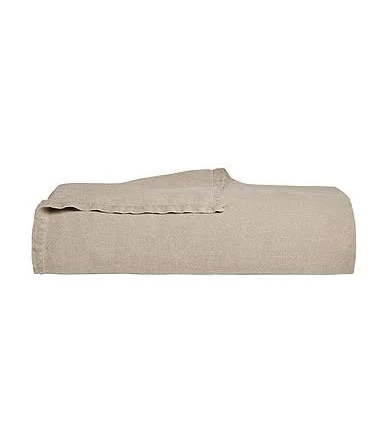
Parachute
Vintage Linen Bed Cover
- 100% linen, no reported coating
- We found no PFAS statement from the brand
- Heavy metals
3 hazards checked on this product. See all of them.
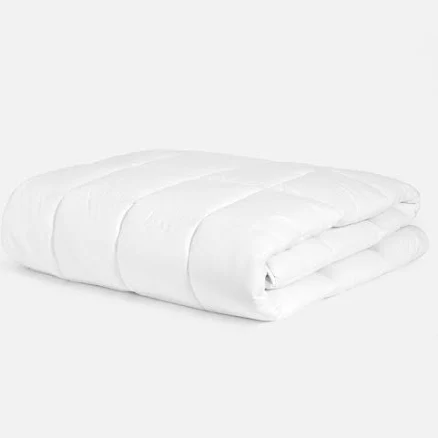
Brooklinen
Down Alternative Mattress Topper
- polyester down-alternative filling
- We found no PFAS statement from the brand
- Azo dyes and colorant migration
4 hazards checked on this product. See all of them.
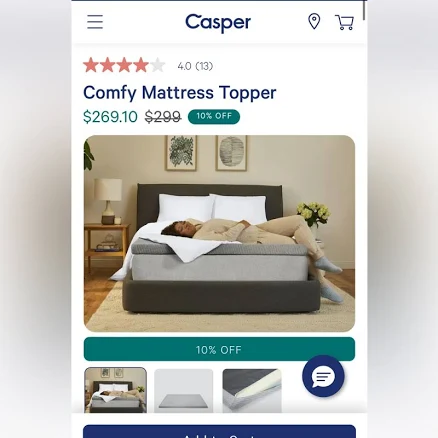
Casper
Sleep Comfy Mattress Topper
- Polyurethane foam, cotton/polyester blend cover
- We found no PFAS statement from the brand
- Volatile Organic Compound (VOC) off-gassing
3 hazards checked on this product. See all of them.
More mattress protectors grades
How we score, every product runs through the same public 0-100 rubric based on materials, coatings, brand disclosure, lab findings, and recalls. See the full methodology → Spotted a mistake? Report an error.