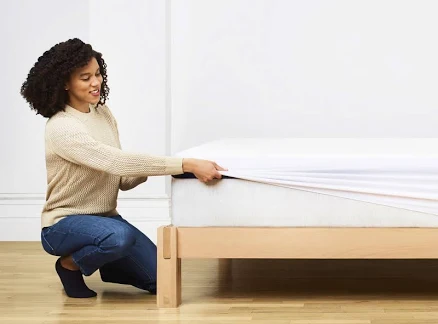
Helix Waterproof Mattress Protector
Avoid until Helix discloses its waterproofing method.
Helix's waterproof protector stops moisture without disclosure of its treatment formula. Waterproof fabrics frequently use fluorinated compounds, but Helix won't confirm PFAS-free status.
The better-graded swap

Casper
Casper Sleep Essential Mattress Topper
75/100 safety
Same rubric that flunked this product. The swap earned Excellent.
Still want this one anyway? Check the price on Amazon. We’d swap it.
Material
polyurethane or polyester blend with waterproof coating (unspecified)
Brand disclosure
Brand is silent on PFAS
Lab data
No public lab test
Is Helix Waterproof Mattress Protector non-toxic? What it is made of
Helix's waterproof mattress protector uses an unspecified polyurethane or polyester blend with an undisclosed waterproof coating. The coating is the critical unknown, waterproofing in textiles is most commonly achieved with PFAS-based (fluorinated) chemistry or older polyurethane-based methods. Without Helix's explicit disclosure, you cannot determine which approach was used. The base fabric itself (polyester or polyurethane) poses no major acute hazard, but the coating's chemical composition directly affects whether you're sleeping on a PFAS-saturated product.
What’s concerning
Category baseline
The starting point for this type of product, before anything specific to this product is counted.
No PFAS disclosure
No public statement from the brand about PFAS in this product.
Waterproof / stain-resistant treatment
Water-repellent coating treatments have historically used PFAS.
Polyurethane coating degradation and off-gassing
If the waterproof layer is polyurethane-based, low-level VOC release during manufacturing and first few weeks of use is normal. No recalls reported for Helix protectors, but off-gassing profiles are not published. Ventilation and washing before use reduce this risk.
Microplastic shedding from coating
Waterproof coatings on textiles can microabrade with use and washing, releasing small plastic particles. This is not unique to Helix but is inherent to coated fabric products. Frequency and extent are not quantified for this specific product.
Skin irritation or allergic response to coating chemicals
Users with sensitive skin occasionally report irritation from waterproof mattress protectors, attributed to coating residues or finish. No pattern established for Helix specifically. Pre-washing and test contact on small area is prudent for sensitive individuals.
What’s reassuring
Polyester fiber shedding
If the base fabric is 100% polyester, minimal lint or fiber shedding is expected for a protector (it remains between mattress and user). No hazard reported for polyester fiber exposure at this contact level.
Formaldehyde / VOCs
Helix does not advertise or disclose formaldehyde-free treatment. No recalls or complaints on record for formaldehyde off-gassing from this product. Risk is low but unconfirmed absence of standard anti-microbial resins cannot be ruled out.
Source, ATSDR ↗The full breakdown
The brand's record and disclosure
Helix has not published a PFAS disclosure statement or waterproofing method specification for this product, despite industry pressure on mattress manufacturers to do so. The brand does not advertise PFAS-free or OEKO-TEX certification for the protector. This silence on a known hazard class is the primary concern; absence of disclosure is not the same as absence of PFAS, and mattress protectors are among the highest-risk textile products for PFAS loading due to their waterproof function.
How it compares in its category
Many competitors (Avocado, Saatva, some Helix alternatives) now explicitly state PFAS-free waterproofing or carry third-party certifications (GOTS, OEKO-TEX). Helix's protector sits in the middle of the market on price but lags on transparency. Standard polyurethane-coated protectors without PFAS claims are common; PFAS-free alternatives using wax-based or non-fluorinated barrier coatings are increasingly available and carry modest price premiums. The protector's washability and durability are typical for the category, but the coating opacity undermines confidence in long-term safety.
If you buy it
Wash before first use with hot water and mild detergent to reduce surface chemical load, though this will not remove PFAS if present (PFAS does not wash out). Dry on medium heat or air dry; do not use high heat, which can degrade any plastic-based coating. Replace every 3-5 years or if waterproofing visibly degrades, cracks, or peels. Contact Helix directly to request coating material documentation; if they cannot or will not specify, consider this a red flag for unconfirmed PFAS presence and reassess your tolerance for that exposure.
What we don’t know
- Basis
- Model estimate, 45% confidence, not a lab result
- Lab test
- None on record for this exact product
- Brand statement
- Helix has made none
Formulations change between production runs, so check the current label. How we grade.
Better-graded alternatives in Mattress Protectors
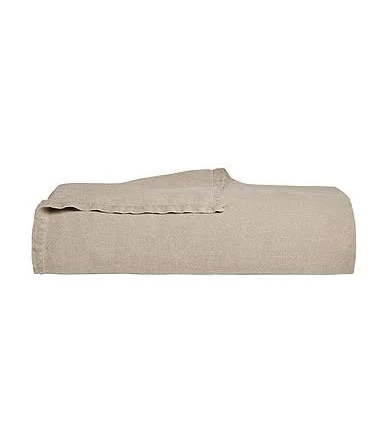
Parachute
Vintage Linen Bed Cover
- 100% linen, no reported coating
- We found no PFAS statement from the brand
- Heavy metals
3 hazards checked on this product. See all of them.
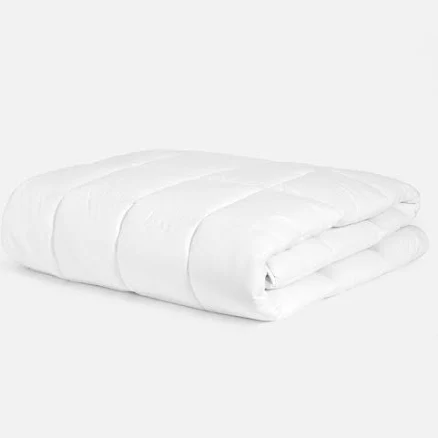
Brooklinen
Down Alternative Mattress Topper
- polyester down-alternative filling
- We found no PFAS statement from the brand
- Azo dyes and colorant migration
4 hazards checked on this product. See all of them.
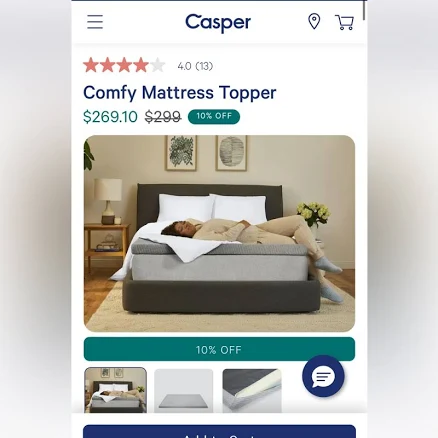
Casper
Sleep Comfy Mattress Topper
- Polyurethane foam, cotton/polyester blend cover
- We found no PFAS statement from the brand
- Volatile Organic Compound (VOC) off-gassing
3 hazards checked on this product. See all of them.
More mattress protectors grades
How we score, every product runs through the same public 0-100 rubric based on materials, coatings, brand disclosure, lab findings, and recalls. See the full methodology → Spotted a mistake? Report an error.