Helly Hansen · Ski & Snowboard Jackets
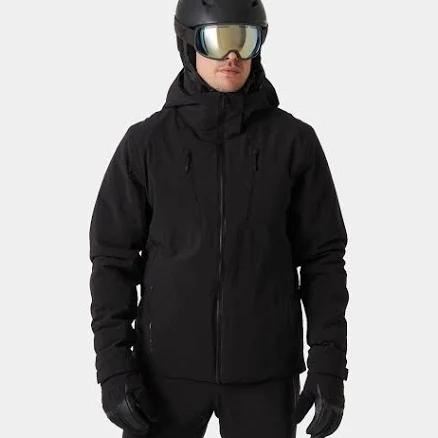
Helly Hansen Men's Alpha 4.0 Jacket
Skip until Helly Hansen discloses water-repellent coating chemistry or switches to PFAS-free.
Alpha 4.0 uses polyester shell with water-repellent coating. Brand does not disclose PFAS status of its water-repellent coating treatment.
Still want this one anyway? Check the price on Amazon. We’d swap it.
Material
Polyester shell with water-repellent coating (water-repellent coating) coating
Lab data
No public lab test
What Helly Hansen Men's Alpha 4.0 Jacket is made of, ingredients and materials
The Alpha 4.0 shell is polyester with a water-repellent coating (water-repellent coating) finish applied to the fabric surface. water-repellent coating coatings are necessary for ski jackets to shed water, but their chemistry is often proprietary and may include PFAS compounds or newer alternatives. Polyester itself is stable during normal wear, but the coating's durability and composition directly affect both water performance and potential chemical exposure over the jacket's lifetime.
What’s concerning
Category baseline
The starting point for this type of product, before anything specific to this product is counted.
No PFAS disclosure
No public statement from the brand about PFAS in this product.
Waterproof / stain-resistant treatment
Water-repellent coating treatments have historically used PFAS.
PFAS
The specific water-repellent chemistry is not disclosed. While PFAS remains the primary concern, older or cheaper water-repellent coating chemistries may include other fluorinated or non-fluorinated compounds with unknown health profiles. Without disclosure, the true risk cannot be assessed.
Source, ATSDR ↗Microplastic shedding from coating degradation
Water-repellent coating-coated polyester jackets shed microplastics when the coating degrades, especially in washing. Helly Hansen's Alpha 4.0 does not specify coating longevity or microplastic mitigation measures. Proper care extends coating life and reduces shedding.
What’s reassuring
Azo dyes in polyester
No specific contamination or controversy is on record for Helly Hansen's polyester dyeing. Polyester ski jackets typically use modern dye processes with low azo-dye risk, though the company does not publish dye safety certifications.
Formaldehyde / VOCs
Modern polyester apparel rarely uses formaldehyde-releasing finishes, and no specific issues are reported for Helly Hansen jackets. However, the company does not publish finishing chemistry or formaldehyde testing results.
Source, ATSDR ↗The full breakdown
The brand's record and disclosure
Helly Hansen has not publicly disclosed the specific water-repellent coating chemistry used in the Alpha 4.0 or confirmed commitment to PFAS-free alternatives. The brand is silent on coating composition despite industry-wide scrutiny of PFAS in outdoor apparel. This lack of transparency is a significant gap given that ski jacket manufacturers increasingly market PFAS-free options; Helly Hansen's silence suggests either legacy PFAS-based chemistry or a decision not to communicate their choice.
How it compares in its category
Premium ski jackets vary widely in water-repellent coating transparency. Competitors like Patagonia, Arc'teryx, and The North Face have committed to PFAS-free water-repellent coating (though not all products are labeled). Helly Hansen's silence places it in a middle tier where water repellency is proven but chemical safety is unverified. For the price point, the lack of disclosure is a disadvantage versus brands offering certified PFAS-free alternatives.
If you buy it
Wash separately in cold water using gentle cycles; hot water can degrade water-repellent coating coatings prematurely. Avoid fabric softeners and bleach, which compromise water repellency. Plan to reapply water-repellent coating every 1-2 years of regular use by hand-washing with a water-repellent coating treatment product (check that it has lower PFAS concern). Inspect seams and zippers annually for damage; replace the jacket if major coating degradation occurs, as worn water-repellent coating offers no protection and may shed microplastics.
What we don’t know
- Basis
- Model estimate, 45% confidence, not a lab result
- Lab test
- None on record for this exact product
- Brand statement
- Helly Hansen has made a specific claim
Formulations change between production runs, so check the current label. How we grade.
Better-graded alternatives in Ski & Snowboard Jackets
Allbirds
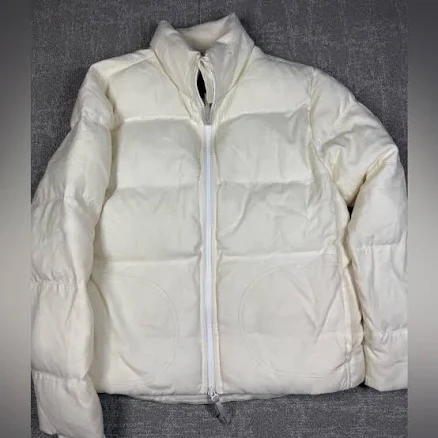
Jackets & Coats Allbirds Full Zip Wool Blend Puffer Jacket Women Size Small
- Wool blend with synthetic fill (likely polyester)
- We found no PFAS statement from the brand
- water-repellent coating (water-repellent coating) coating composition
3 hazards checked on this product. See all of them.
Allbirds
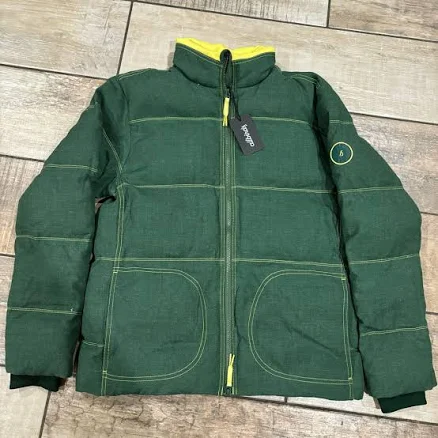
Jackets & Coats Allbirds Men's Trino Puffer Jacket Full Zip Wool Blend Forest Green Coat Size Sm
- wool blend (natural fiber dominant)
- We found no PFAS statement from the brand
- water-repellent coating (water-repellent coating) treatment - undisclosed chemistry
2 hazards checked on this product. See all of them.
Allbirds
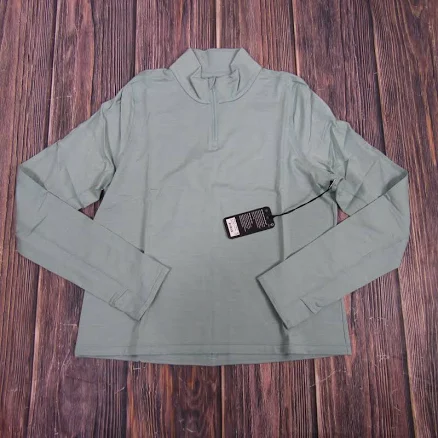
NWT Womens Medium Green Natural Run Mid Layer 1/4 Zip Jacket
- Merino wool blend (natural fiber)
- We found no PFAS statement from the brand
- Azo dyes and synthetic dye residue
3 hazards checked on this product. See all of them.
More ski & snowboard jackets grades
How we score, every product runs through the same public 0-100 rubric based on materials, coatings, brand disclosure, lab findings, and recalls. See the full methodology → Spotted a mistake? Report an error.