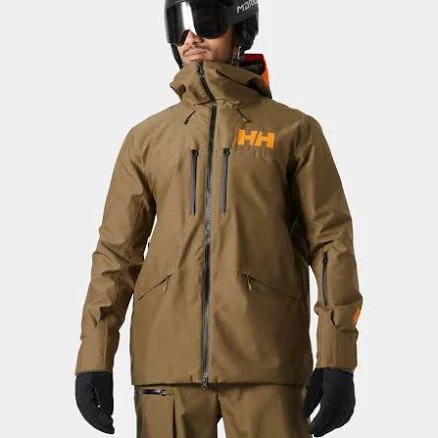
Helly Hansen · Ski & Snowboard Jackets
Helly Hansen Men's Garibaldi 2.0 Jacket
Helly Hansen does not disclose PFAS status. Waterproof jacket carries elevated risk.
Garibaldi 2.0 is a technical waterproof jacket with nylon outer and water-repellent coating finish. Helly Hansen makes no statement about PFAS in this product.
Still want this one anyway? Check the price on Amazon. We’d swap it.
Material
Nylon outer with water-repellent coating finish; likely polyester lining
Lab data
No public lab test
What Helly Hansen Men's Garibaldi 2.0 Jacket is made of, ingredients and materials
The Garibaldi 2.0 uses a nylon outer shell treated with a water-repellent coating (water-repellent coating) finish, most likely PFOA or PFAS-based given the product class and Helly Hansen's silence on alternatives. Nylon itself is chemically stable in normal use. The polyester lining carries low acute risk but can off-gas volatile compounds during manufacturing and early wear. water-repellent coating finishes are the primary chemical concern in this jacket, applied to repel moisture without blocking breathability.
What’s concerning
Category baseline
The starting point for this type of product, before anything specific to this product is counted.
No PFAS disclosure
No public statement from the brand about PFAS in this product.
Waterproof / stain-resistant treatment
Water-repellent coating treatments have historically used PFAS.
PFAS
Nylon jackets require water-repellent coating treatment; Helly Hansen's refusal to disclose chemistry or state alternatives suggests legacy PFAS formulations. Skin contact and inhalation during wear and washing are the primary routes; risk is low in normal use but elevated during manufacturing, washing, and reapplication.
Source, ATSDR ↗Polyester lining off-gassing
Polyester linings can release volatile organic compounds (VOCs) and residual monomers in the first weeks of wear, especially in warm or humid conditions. This is typical across the category and diminishes over time; well-ventilated storage before first wear reduces exposure.
Nylon photodegradation and microfiber shedding
UV exposure and mechanical wear break down the nylon outer, releasing microfibers into the environment with each wash and use. This is inherent to synthetic outerwear; using mesh laundry bags and microfiber-catching detergent filters mitigates but does not eliminate shedding.
Elastic and fastener durability
Zipper, seams, and elastic components degrade with repeated washing and thermal stress. Broken seams and zipper failure are the most common end-of-life triggers for ski jackets; inspect these regularly and replace when functionality declines to prevent moisture intrusion.
What’s reassuring
Formaldehyde / VOCs
No specific reports of excessive formaldehyde in Helly Hansen ski jackets. Polyester and nylon carry low baseline risk if manufactured to EU or US standards, but lack of third-party certification (OEKO-TEX, Bluesign) means this cannot be ruled out independently.
Source, ATSDR ↗The full breakdown
The brand's record and disclosure
Helly Hansen does not publicly disclose PFAS content, chemical alternatives, or phaseout timelines for this product line. The brand has not published transparency reports on water-repellent coating chemistry or secured third-party certifications (Bluesign, OEKO-TEX) that would rule out legacy PFAS. This silence is notable in a market where competitors increasingly state PFAS status. No recalls or documented health incidents specific to this model are on record.
How it compares in its category
Most ski jackets at this price point use PFAS-based or PFAS-alternative water-repellent coating finishes; Helly Hansen's lack of transparency puts it behind brands like Patagonia and Arc'teryx, which disclose alternatives or phaseout dates. The nylon construction is standard and comparable. Polyester linings are universal in the category. Performance and durability are not compromised by chemical uncertainty, but informed buyers can select competitors with clearer chemical profiles.
If you buy it
Wash separately in cold water with mild detergent; heat and detergent residue can compromise water-repellent coating and accelerate polymer degradation. Avoid dry cleaning and machine drying; air dry away from direct heat or sunlight. Reapply water-repellent coating treatment annually or after 20-30 washes using alternatives without intentional Teflon-type coating additions (Teflon-type coating-free sprays are now common). Replace the jacket if the outer nylon cracks, delaminates, or the lining tears significantly, as these defects expose interior synthetic materials and reduce durability gains.
What we don’t know
- Basis
- Model estimate, 45% confidence, not a lab result
- Lab test
- None on record for this exact product
- Brand statement
- Helly Hansen has made a specific claim
Formulations change between production runs, so check the current label. How we grade.
Better-graded alternatives in Ski & Snowboard Jackets
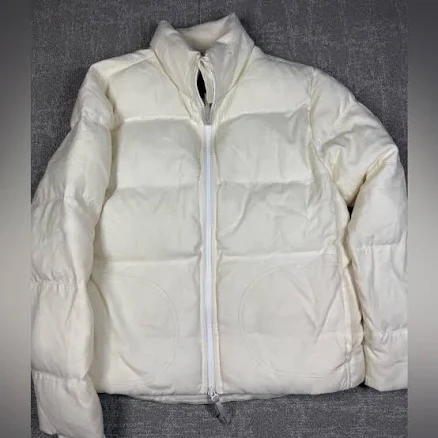
Allbirds
Jackets & Coats Allbirds Full Zip Wool Blend Puffer Jacket Women Size Small
- Wool blend with synthetic fill (likely polyester)
- We found no PFAS statement from the brand
- water-repellent coating (water-repellent coating) coating composition
3 hazards checked on this product. See all of them.
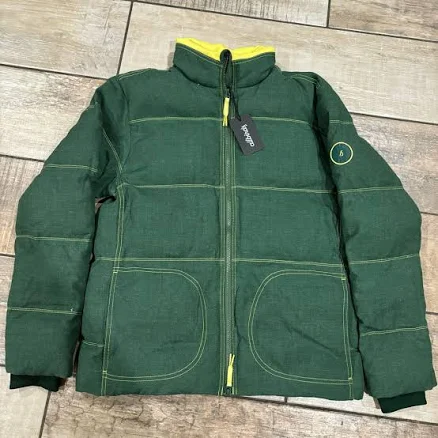
Allbirds
Jackets & Coats Allbirds Men's Trino Puffer Jacket Full Zip Wool Blend Forest Green Coat Size Sm
- wool blend (natural fiber dominant)
- We found no PFAS statement from the brand
- water-repellent coating (water-repellent coating) treatment - undisclosed chemistry
2 hazards checked on this product. See all of them.
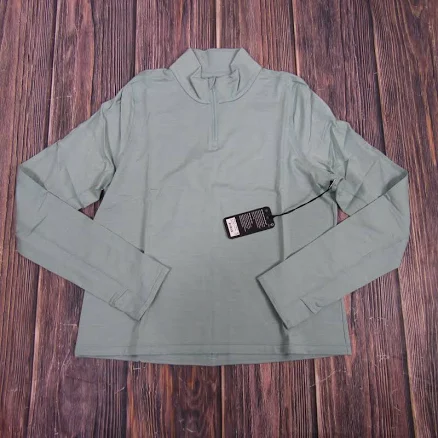
Allbirds
NWT Womens Medium Green Natural Run Mid Layer 1/4 Zip Jacket
- Merino wool blend (natural fiber)
- We found no PFAS statement from the brand
- Azo dyes and synthetic dye residue
3 hazards checked on this product. See all of them.
More ski & snowboard jackets grades
How we score, every product runs through the same public 0-100 rubric based on materials, coatings, brand disclosure, lab findings, and recalls. See the full methodology → Spotted a mistake? Report an error.