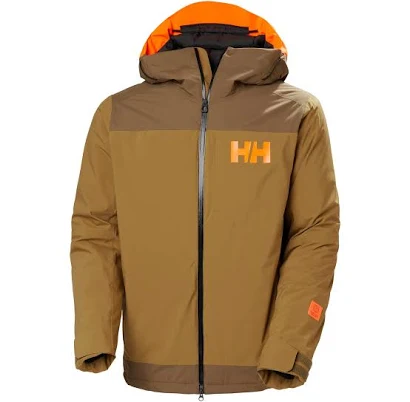
Helly Hansen · Ski & Snowboard Jackets
Helly Hansen Men's Powdreamer 2.0 Jacket
Skip until brand discloses water-repellent coating chemistry; outdoor jackets typically use PFAS water repellents.
Helly Hansen's polyester ski jacket features water-repellent treatment typical of technical outerwear, but the brand doesn't specify the water-repellent coating chemical used. Standard industry practice suggests conventional PFAS-based coatings are likely without confirmation.
Still want this one anyway? Check the price on Amazon. We’d swap it.
Material
Polyester with water-repellent coating (water-repellent coating) coating
Lab data
No public lab test
What Helly Hansen Men's Powdreamer 2.0 Jacket is made of, ingredients and materials
The Powdreamer 2.0 is polyester with a water-repellent coating (water-repellent coating) finish. Polyester itself is chemically stable and non-toxic under normal use; the hazard lies in the water-repellent coating applied to achieve water repellency. Helly Hansen has not publicly disclosed whether their water-repellent coating uses PFAS compounds (legacy fluorocarbons) or newer alternatives. The coating also typically involves synthetic resins to bond it to the fabric, which may off-gas formaldehyde during manufacturing and storage.
What’s concerning
Category baseline
The starting point for this type of product, before anything specific to this product is counted.
No PFAS disclosure
No public statement from the brand about PFAS in this product.
Waterproof / stain-resistant treatment
Water-repellent coating treatments have historically used PFAS.
Formaldehyde / VOCs
Polyester water-repellent coating coatings commonly employ formaldehyde-based cross-linking resins. Helly Hansen does not disclose resin type; off-gassing risk is highest during manufacturing and in sealed storage. Adequate airing and washing before wear substantially reduce exposure.
Source, ATSDR ↗Antimony in polyester
Antimony trioxide is a common polyester catalyst and may remain as a trace residue. Levels in finished textiles are generally low and not known to leach significantly during normal wear, but concentrated residue can occur on new fabric and is reduced by laundering.
water-repellent coating degradation over time
Water-repellent coating coatings degrade with washing, UV exposure, and wear. As the coating breaks down, underlying polyester may absorb water and lose insulating properties, but the coating itself does not become hazardous; it simply stops functioning. Reapplication is a maintenance task, not a safety trigger.
PFAS
The company's silence on water-repellent coating chemistry and the industry-wide prevalence of PFAS-based fluorocarbon coatings in this product category mean PFAS presence is likely but not confirmed. This is the primary reason to seek disclosure or choose PFAS-free alternatives before purchase.
Source, ATSDR ↗What’s reassuring
Azo dyes in polyester
No documented recalls or safety alerts for azo dyes in Helly Hansen ski jackets. Polyester dyeing can use azo compounds, but mainstream brands typically comply with REACH and Oeko-Tex restrictions on carcinogenic amines; no brand-specific evidence of non-compliance on record.
The full breakdown
The brand's record and disclosure
Helly Hansen maintains no public commitment to PFAS-free water-repellent coating and does not disclose the chemical identity of its water-repellent finishes. The company has not published independent testing results or certifications (such as GOTS, Bluesign, or MADE SAFE) that would verify the absence of PFAS or formaldehyde releasers. This silence is typical of mainstream outdoor apparel brands but represents a gap in transparency compared to leading sustainability-focused competitors.
How it compares in its category
Ski and snowboard jackets almost universally rely on water-repellent coating finishes; most major brands (including Arc'teryx, Salomon, Columbia) use similar polyester bases. Brands that explicitly certify PFAS-free water repellency (e.g., Patagonia, some Rab models) or use mechanical water barriers (Gore-Tex without fluorocarbon finishes) are a smaller segment at higher price points. The Powdreamer sits in the mid-market, making it functionally comparable to many peers but without equivalent chemical transparency.
If you buy it
Air the jacket outdoors for 24-48 hours before first wear to allow off-gassing of volatile manufacturing residues. Wash separately in cool water before wearing near skin or children; use detergent without brighteners, which can degrade water-repellent coating. Avoid heat drying; air dry to preserve the coating. Do not dry-clean, as solvents can strip or alter the water-repellent coating and release residual chemicals. Reapply commercial PFAS-free water-repellent coating or mechanical water-proofing spray annually if water beading diminishes.
What we don’t know
- Basis
- Model estimate, 45% confidence, not a lab result
- Lab test
- None on record for this exact product
- Brand statement
- Helly Hansen has made a specific claim
Formulations change between production runs, so check the current label. How we grade.
Better-graded alternatives in Ski & Snowboard Jackets
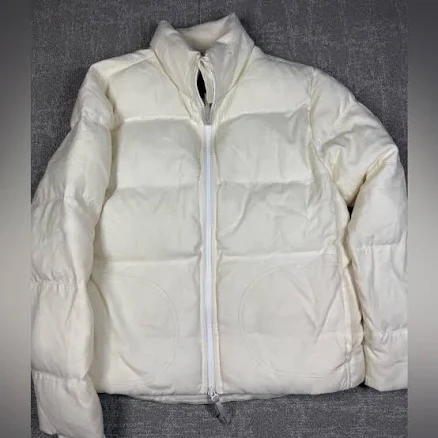
Allbirds
Jackets & Coats Allbirds Full Zip Wool Blend Puffer Jacket Women Size Small
- Wool blend with synthetic fill (likely polyester)
- We found no PFAS statement from the brand
- water-repellent coating (water-repellent coating) coating composition
3 hazards checked on this product. See all of them.
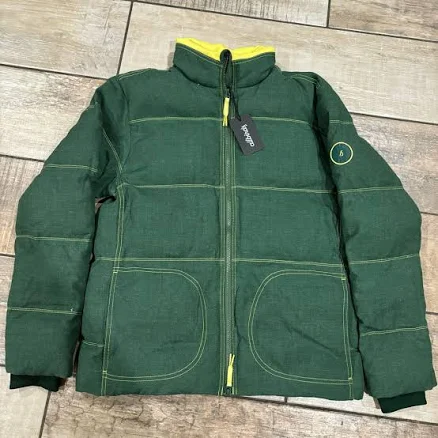
Allbirds
Jackets & Coats Allbirds Men's Trino Puffer Jacket Full Zip Wool Blend Forest Green Coat Size Sm
- wool blend (natural fiber dominant)
- We found no PFAS statement from the brand
- water-repellent coating (water-repellent coating) treatment - undisclosed chemistry
2 hazards checked on this product. See all of them.
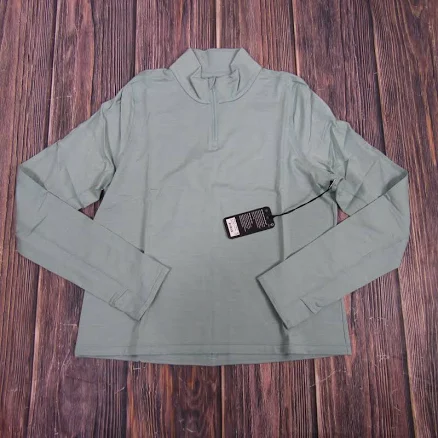
Allbirds
NWT Womens Medium Green Natural Run Mid Layer 1/4 Zip Jacket
- Merino wool blend (natural fiber)
- We found no PFAS statement from the brand
- Azo dyes and synthetic dye residue
3 hazards checked on this product. See all of them.
More ski & snowboard jackets grades
How we score, every product runs through the same public 0-100 rubric based on materials, coatings, brand disclosure, lab findings, and recalls. See the full methodology → Spotted a mistake? Report an error.